Armadillidium maculatum “Champagne”
40,00 € incl. VAT, plus shipping
Sales Unit: 12 animals
Sales Unit: 12 animals
In stock

Simple

France

< 18 mm

22°C – 27°C
Brown-beige pattern instead of classic black
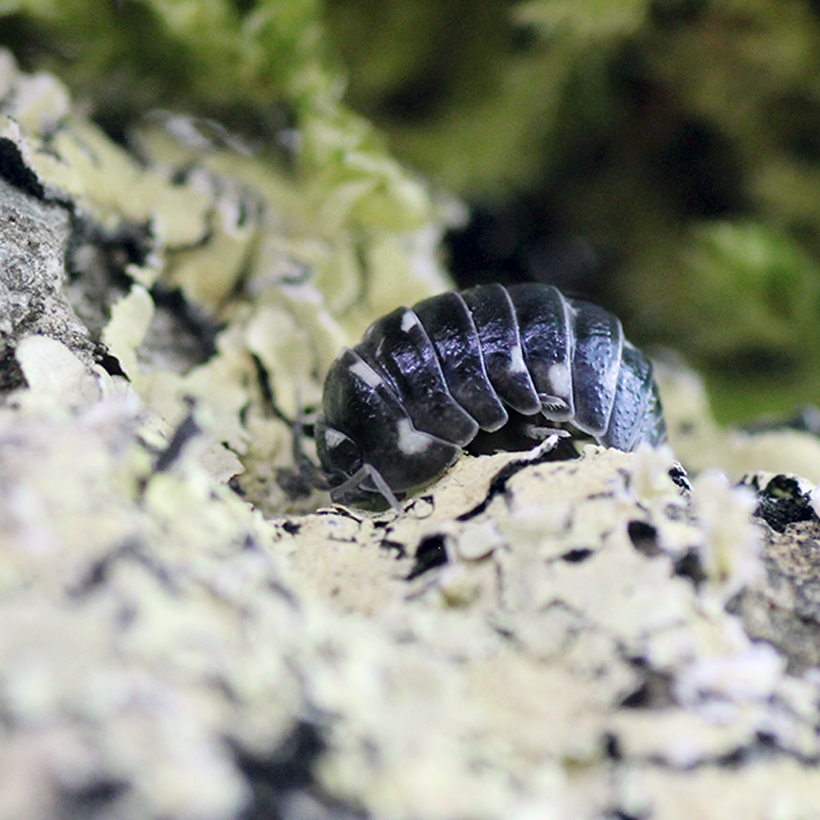
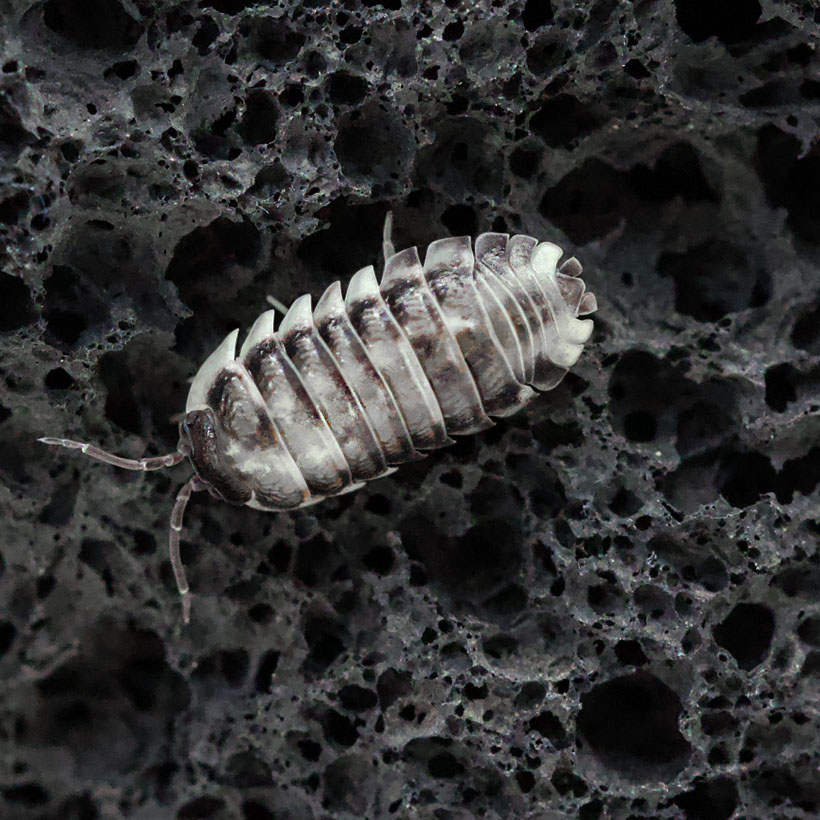
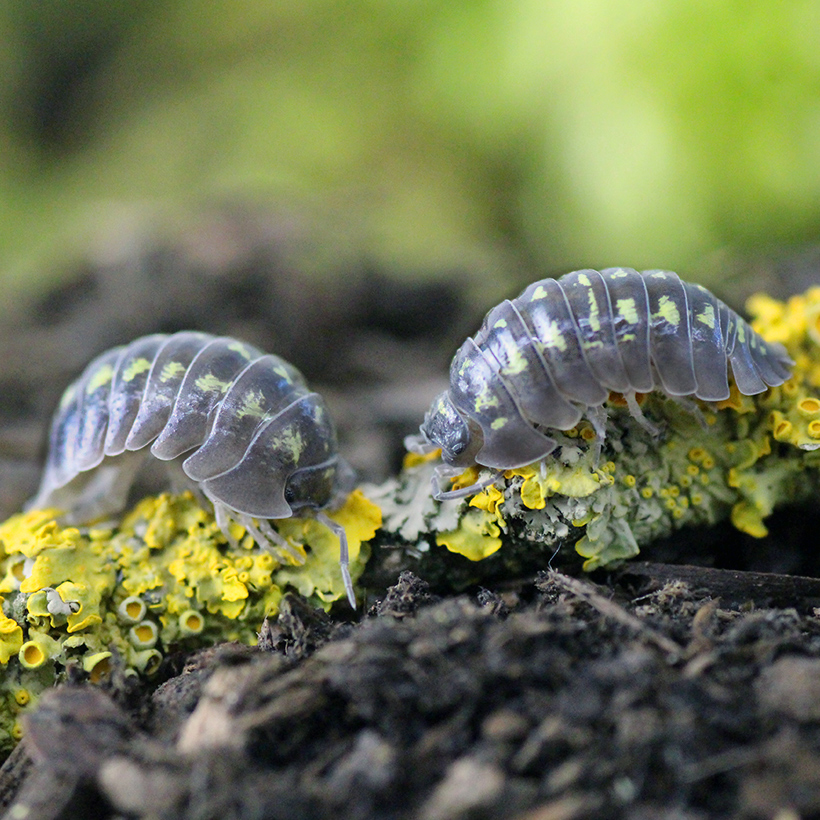
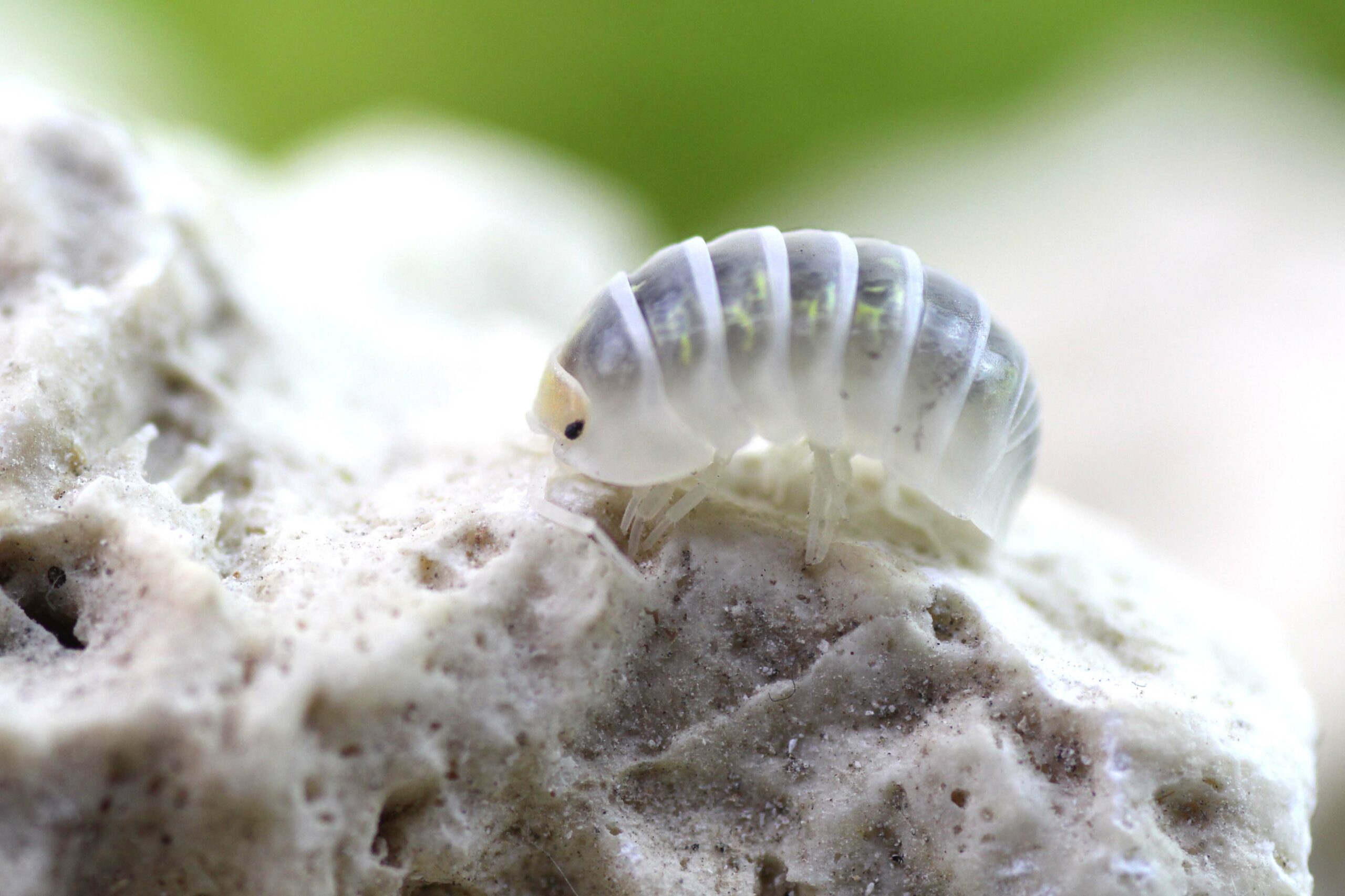
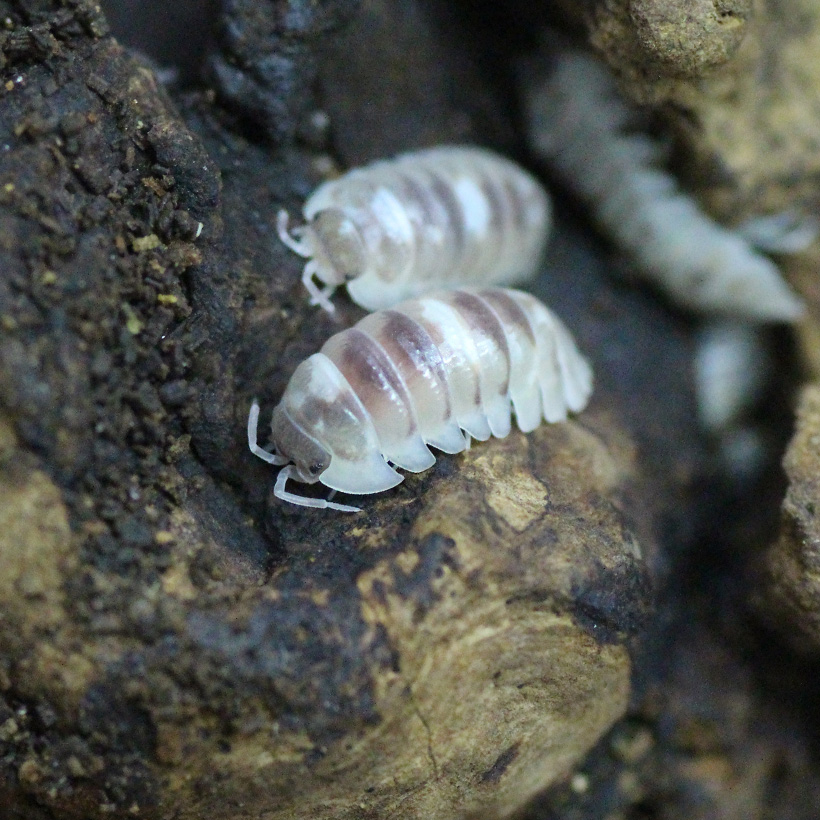
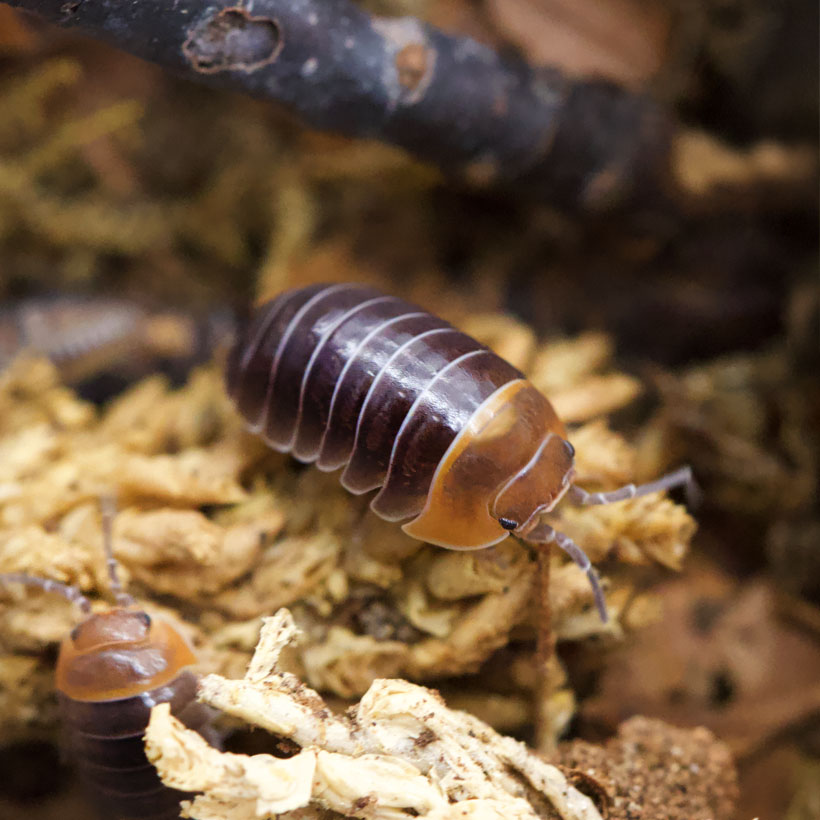
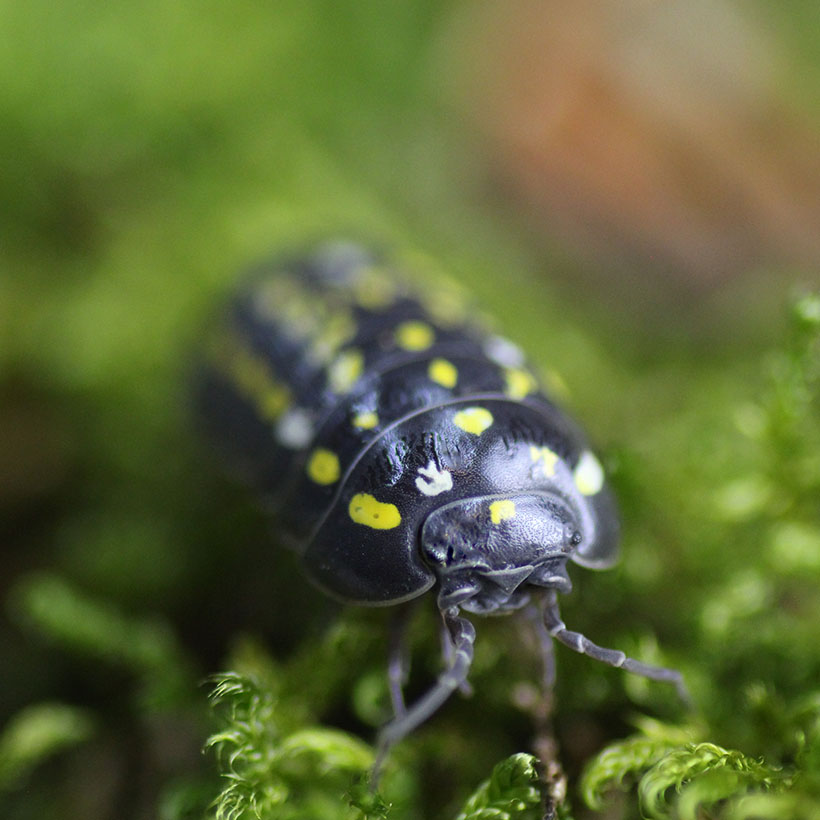
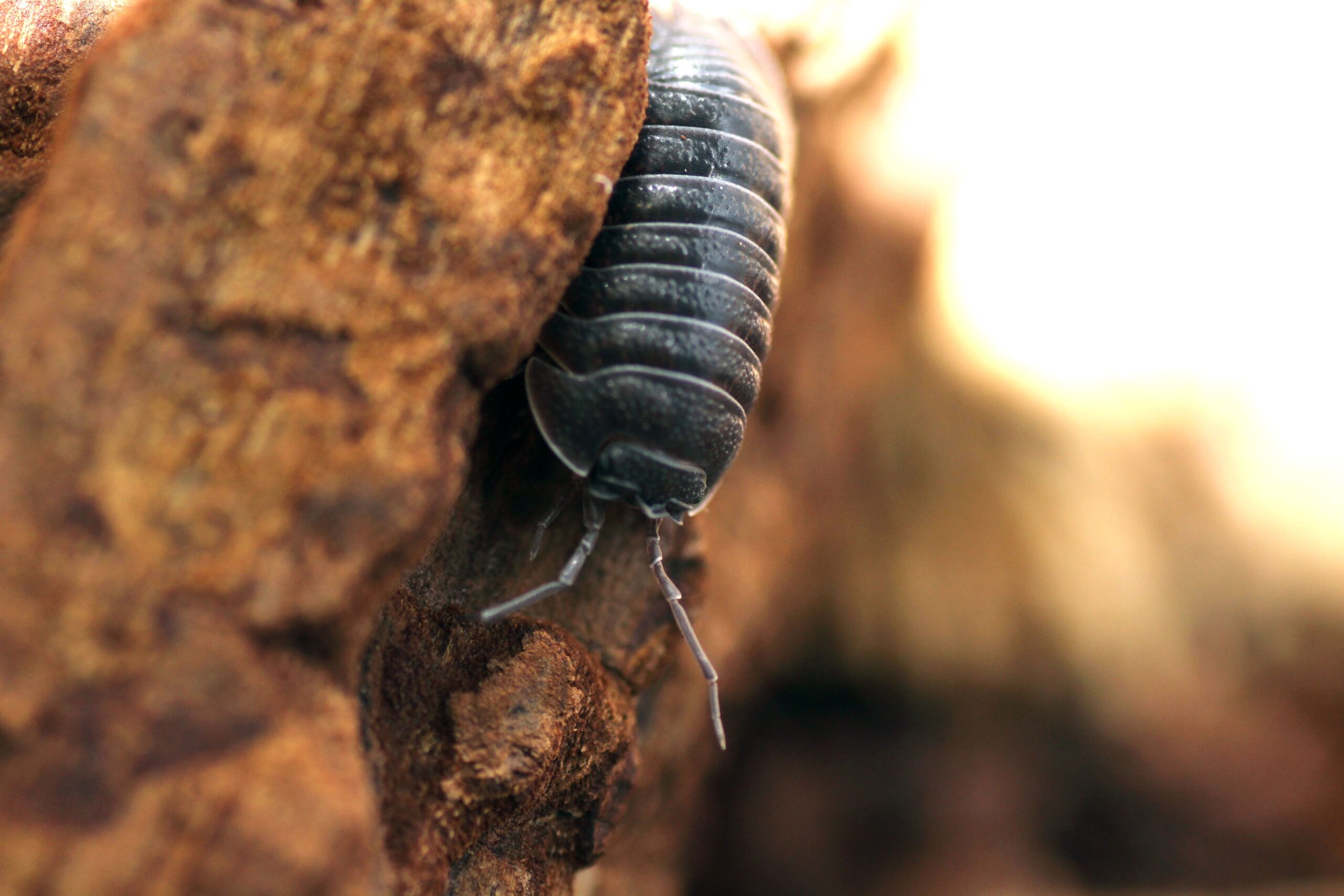
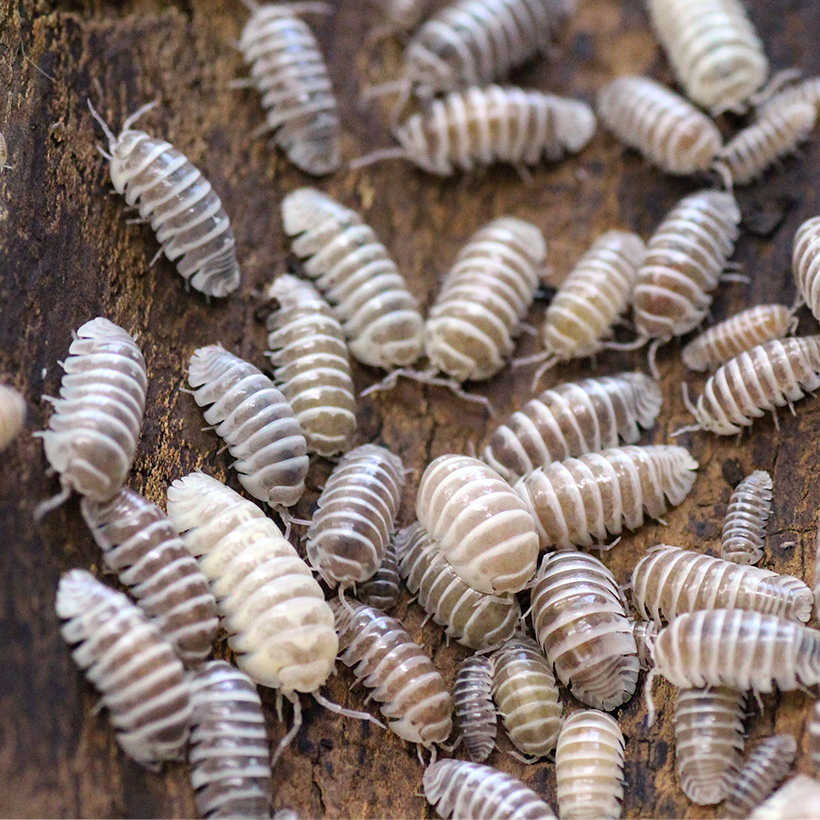
Armadillidium maculatum “Champagne” is a particularly attractive color mutation of the well-known zebra woodlouse. While the wild form stands out due to its black base color with light stripes, this cultivated form has a brown to beige basic coloration. This makes the animals appear much brighter and more colorful.
The animals we offer have been selected selected by ourselvesThis results in an interesting variety of colors within the group. It is precisely this variation that makes keeping them particularly exciting. Some animals appear more beige, others show stronger brown tones.
The hatchlings are initially dark brown. However, they lighten considerably during the growth phase. This changes the color effect in the course of development. In our breeding, occasionally Armadillidium maculatum “Paradox Champagne” on. We are currently still selecting these animals out of the line.
Apart from the color, the posture corresponds completely to the classic zebra woodlouse.
Armadillidium maculatum originally comes from the Mediterranean region and southern France. The animals live there mainly in the litter layer of deciduous forests. They reach a size of about 1.8 cm and thus belong to the medium-sized woodlice.
Development from juvenile to adult takes about six months. six months. The species is considered robust and reproduces reliably. One female can produce up to four litters each with up to 300 kittens produce. As a result, a colony grows relatively quickly under good conditions.
Another advantage of this species is its willingness to point. Compared to many other Isopods, zebra woodlice are frequently seen. In larger terrariums, however, a somewhat larger starting stock is recommended so that the animals can be observed regularly.
Like all woodlice Armadillidium maculatum “Champagne” has the typical defense strategy: In case of danger, the animals roll up into a closed ball.
Keeping them is uncomplicated. A group can be kept in containers from about 5 liters volume be maintained. However, sufficient space is important. If there is not enough space, the animals often stop reproducing.
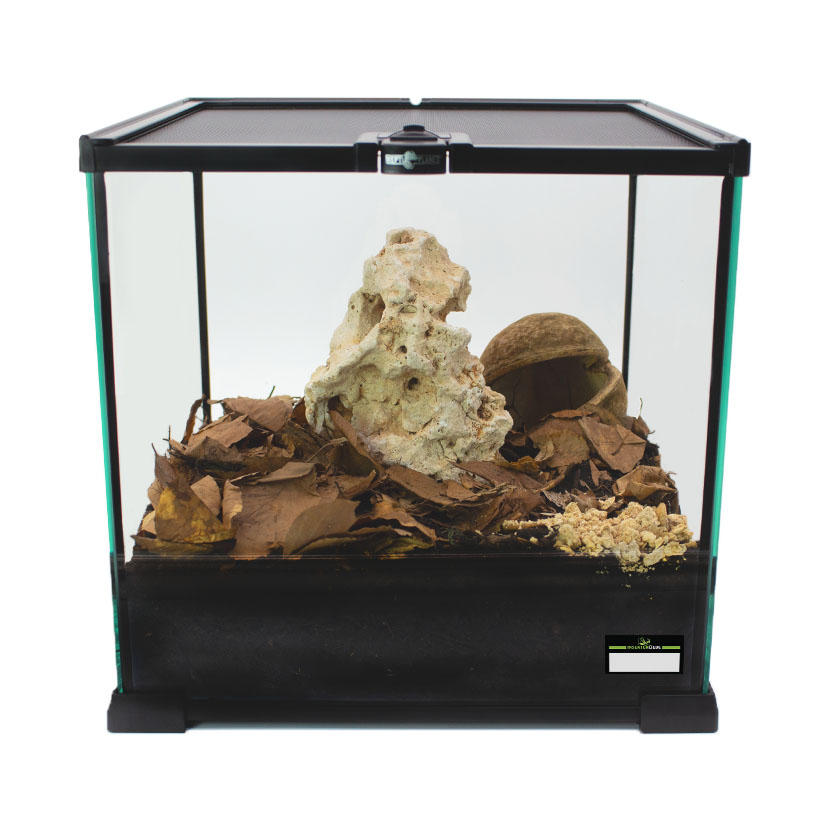
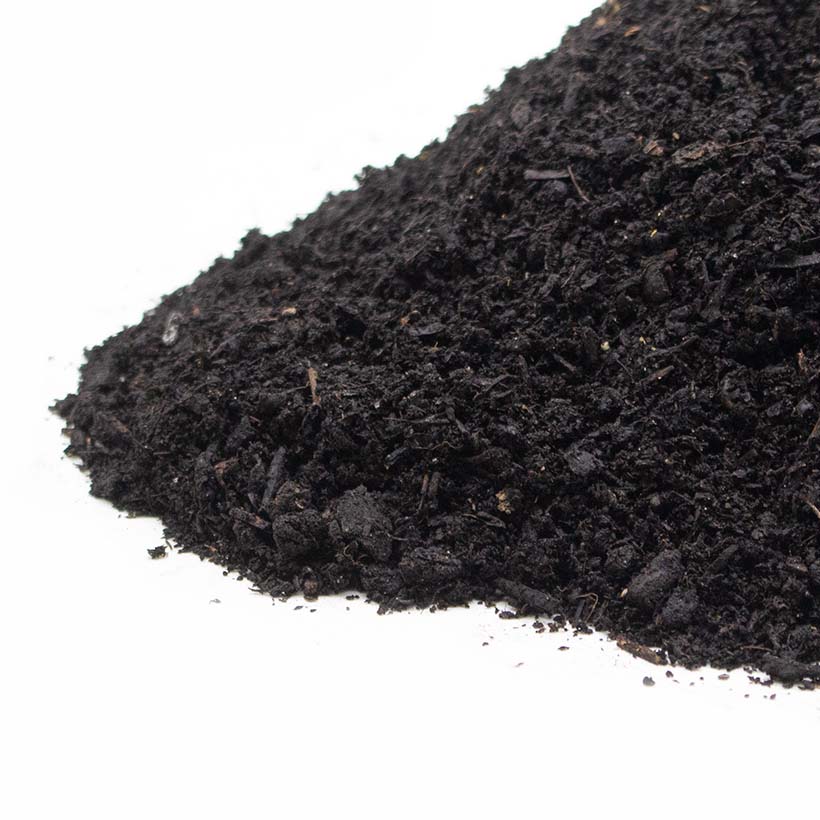
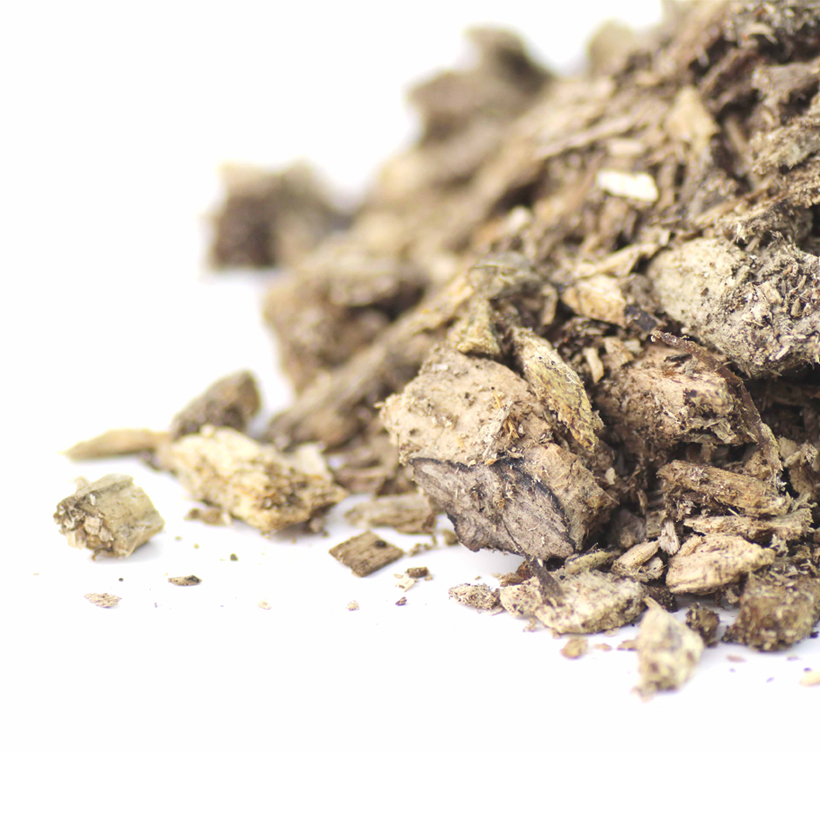
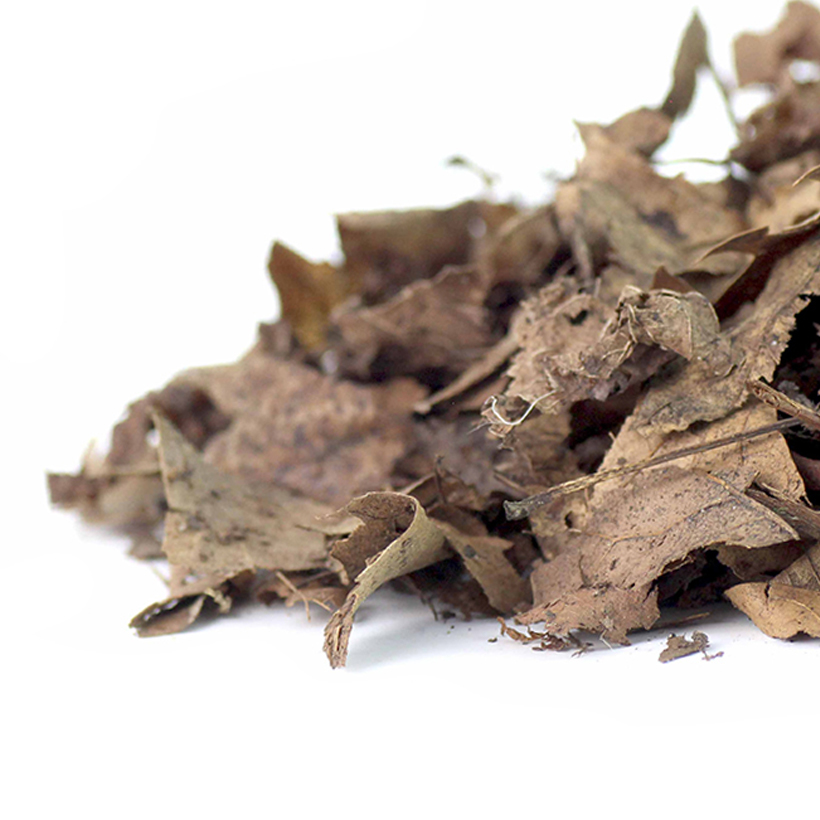
For naturalistic keeping, we recommend a substrate substrate approx. 10 cm high of deciduous forest humus, leaves and white rotten wood components. Moss, pieces of bark and additional foliage are spread on top. These materials also serve as a hiding place, food and moisture reservoir.
The terrarium should evenly moistbut never wet. Waterlogging must be avoided at all costs. A humidity of approx. 60-80 % is usually set automatically with regular spraying. Ideally, the temperature should be between 22 and 26 °C lie.
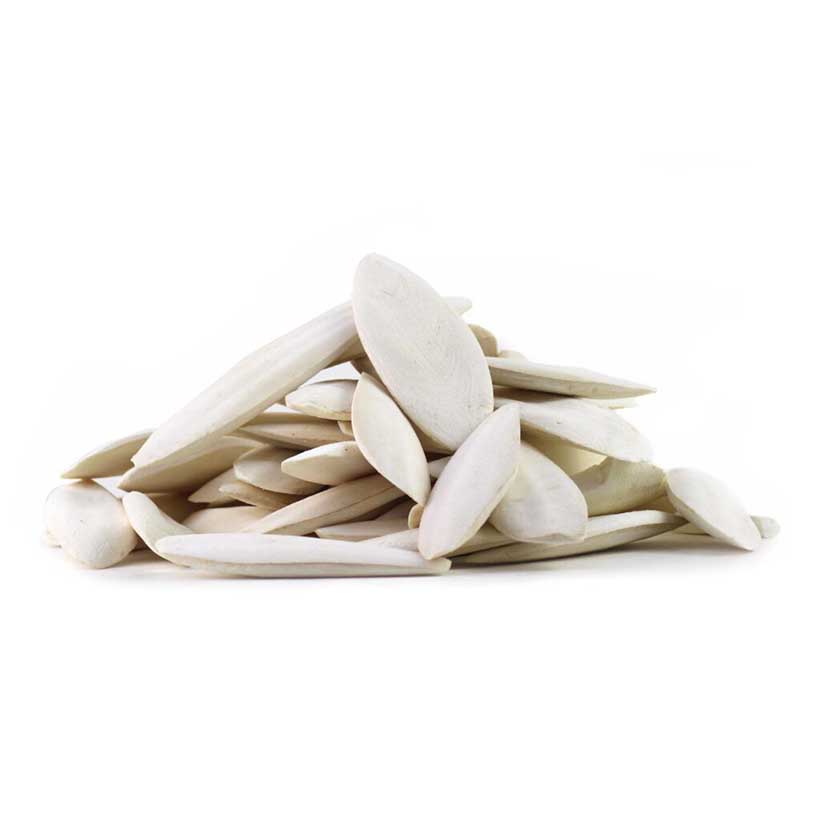
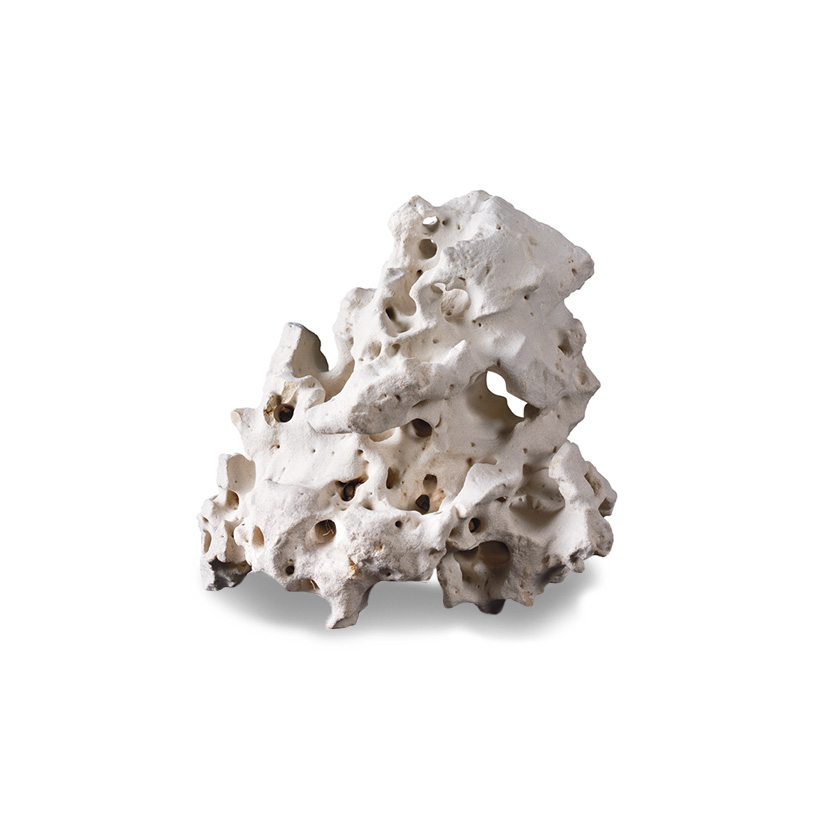
To build up their shells, the animals need calcium. This can be provided by cuttlebone, crushed eggshells or similar sources.
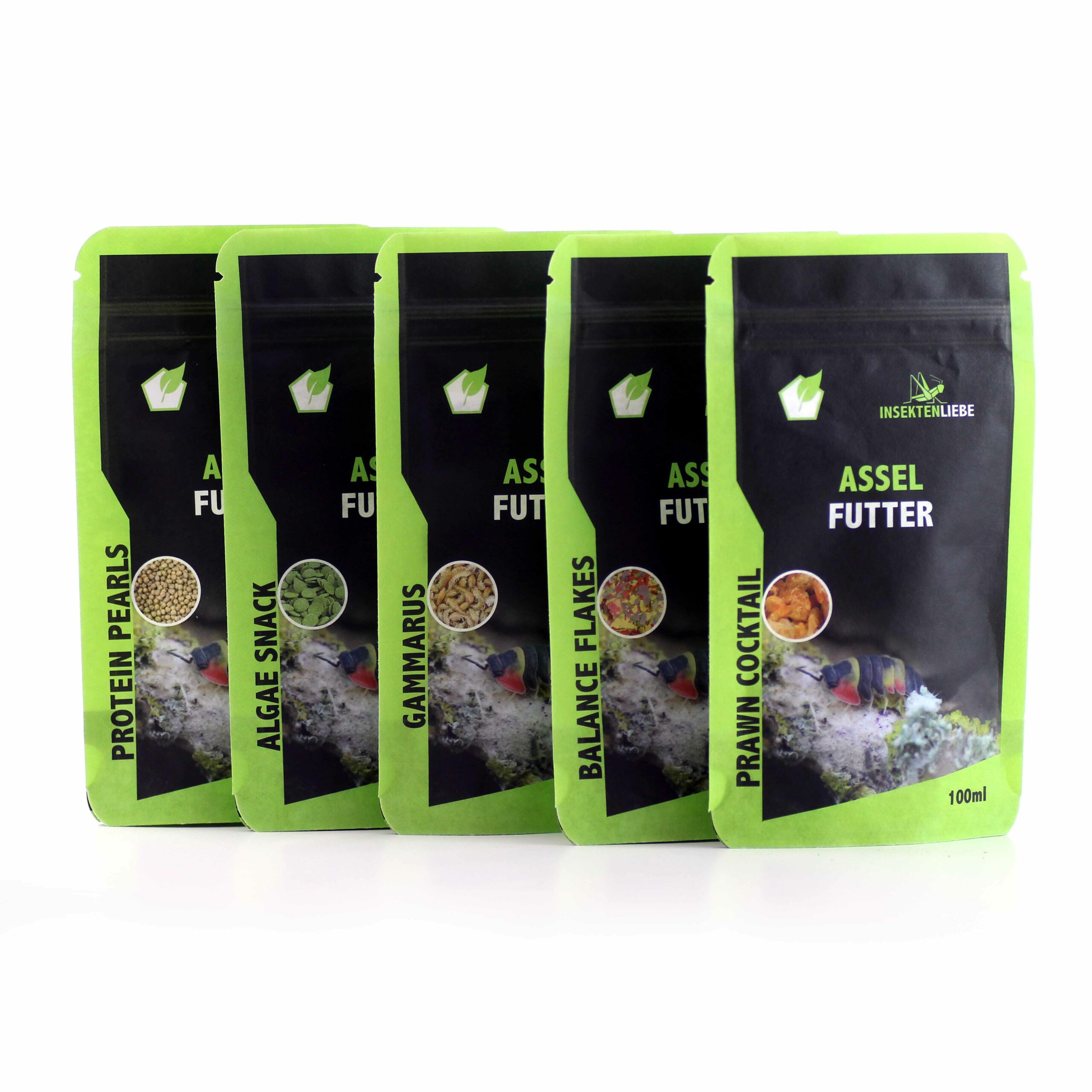
The main food is the foliage contained in the substrate leaves and white rotten wood. The animals also like to eat vegetables, fruit, flowers or special isopod food.
With its bright color mutation, robust cultivation and good reproduction rate Armadillidium maculatum “Champagne” is a particularly exciting isopod species – for beginners as well as for experienced keepers and breeders.
Perfect combined with
-
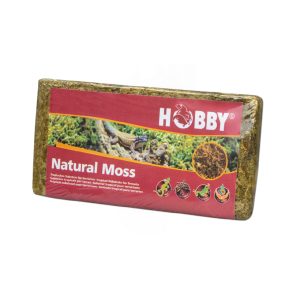
Hobby Natural Moss
Original price was: 6,59 €.5,36 €Current price is: 5,36 €. incl. VAT, plus shipping