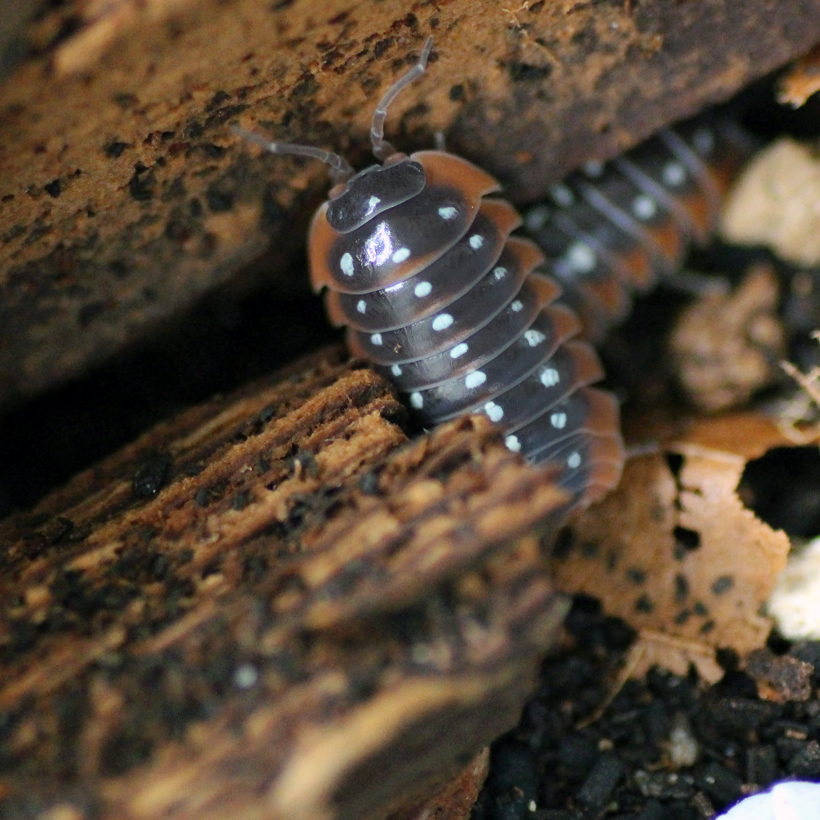
Armadillidium klugii “Montenegro”
19,00 € incl. VAT, plus shipping
Sales Unit: 12 animals
Sales Unit: 12 animals
Out of stock

Simple

Montenegro

< 15 mm

22°C – 24°C
Brief description:
This species lives very sociably and can also be stocked quite densely with sufficient hiding places. Breeding this species is easy and even beginners regularly succeed. It is particularly impressive due to its beautiful coloration. The development time of this isopod species is around 7 months.
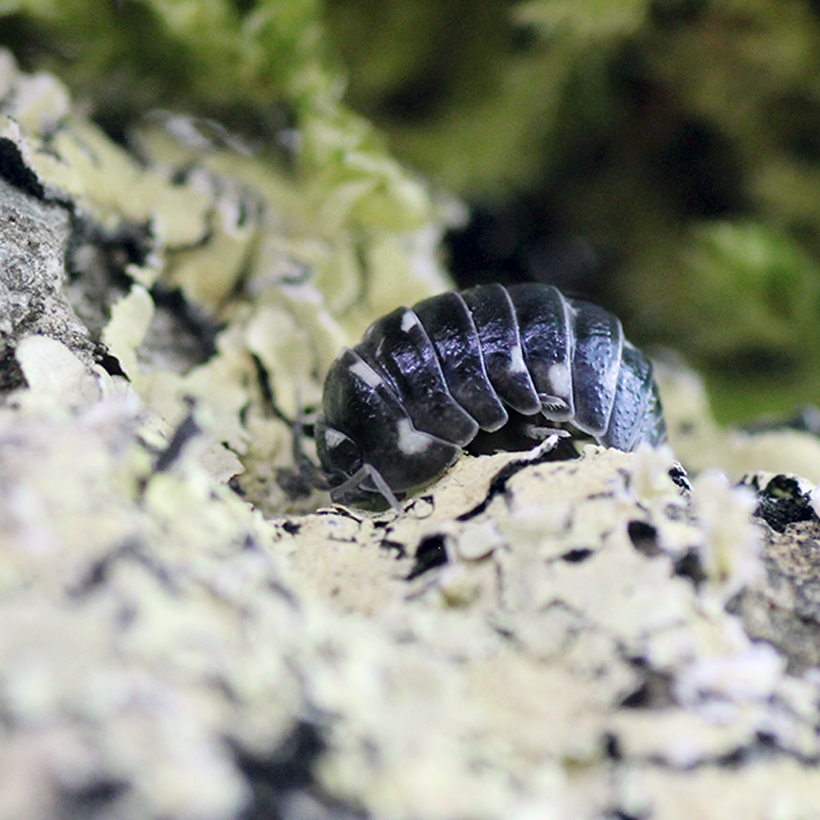
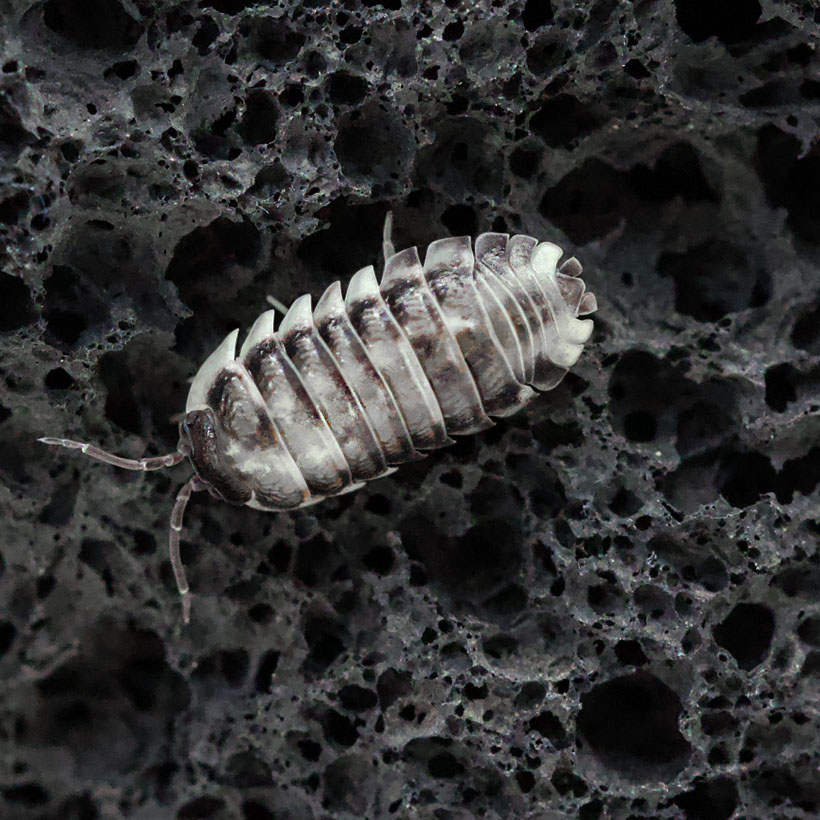
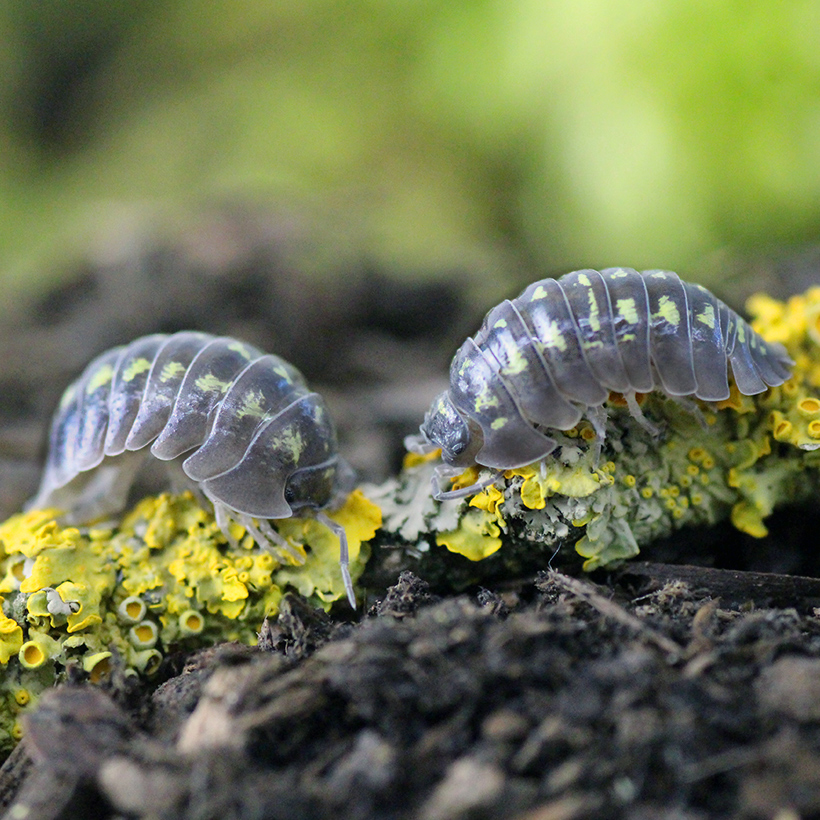
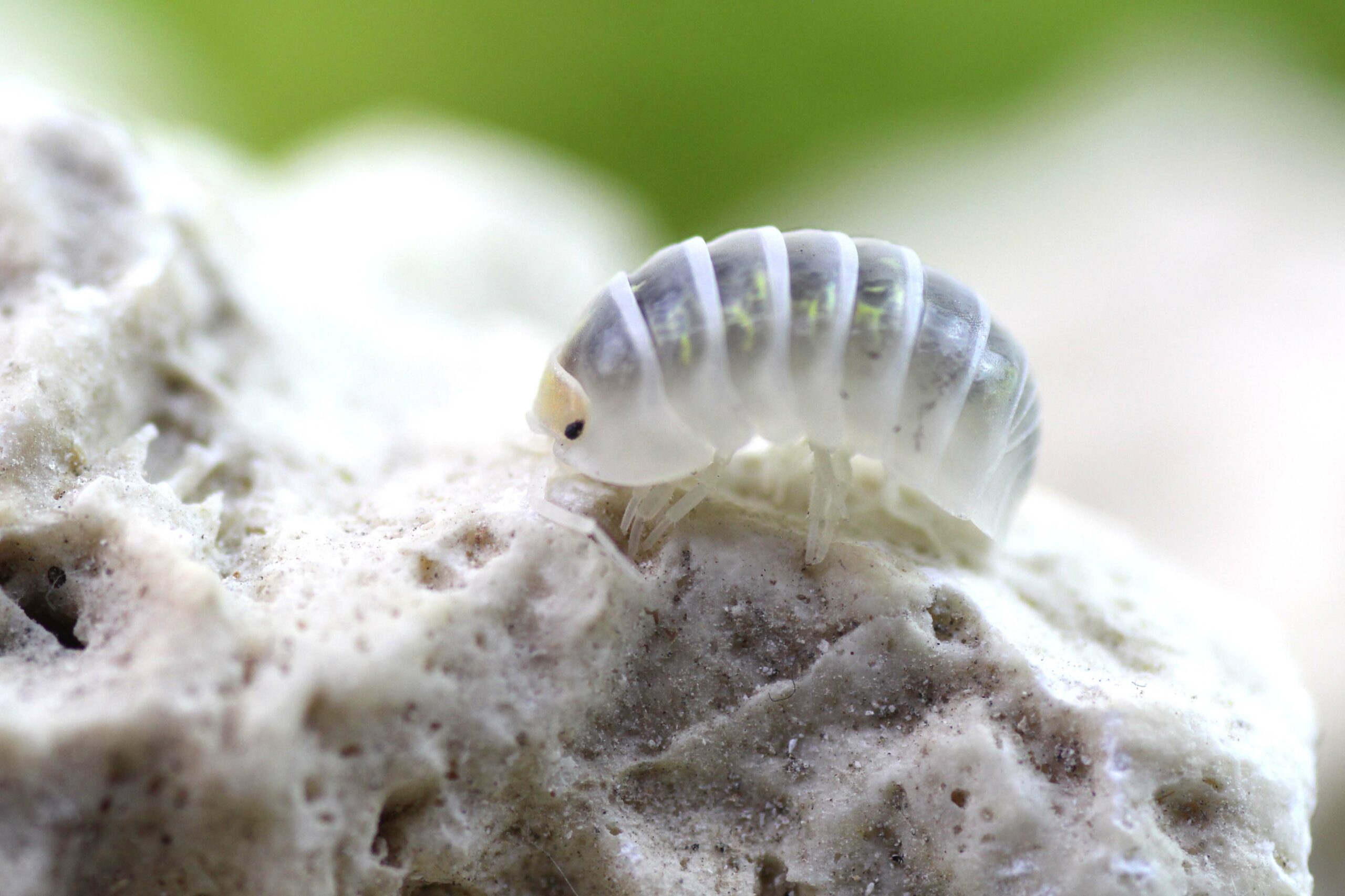
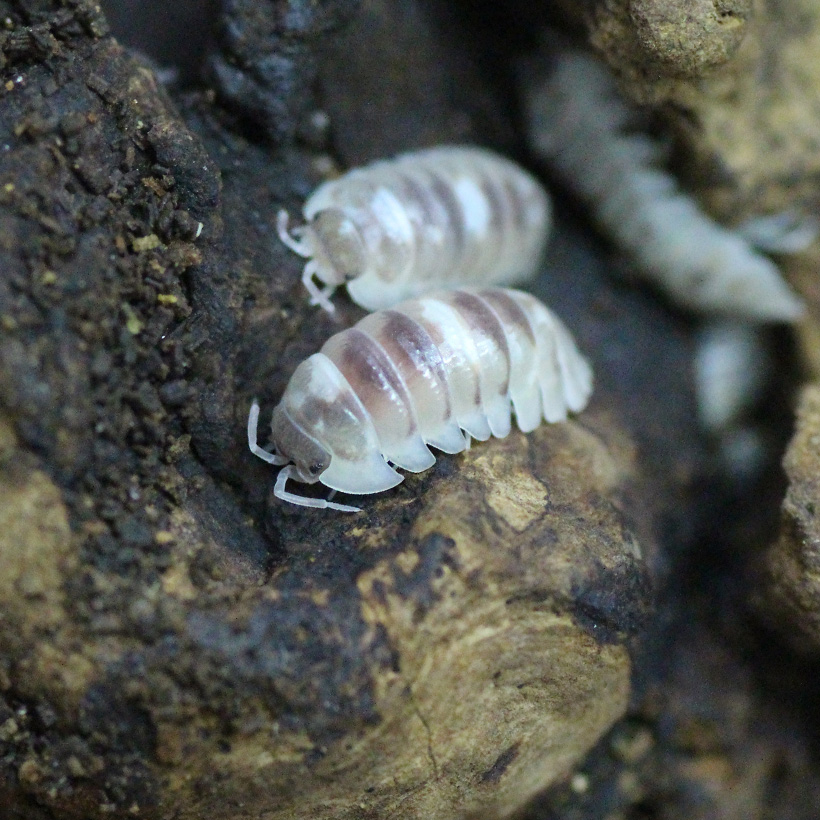
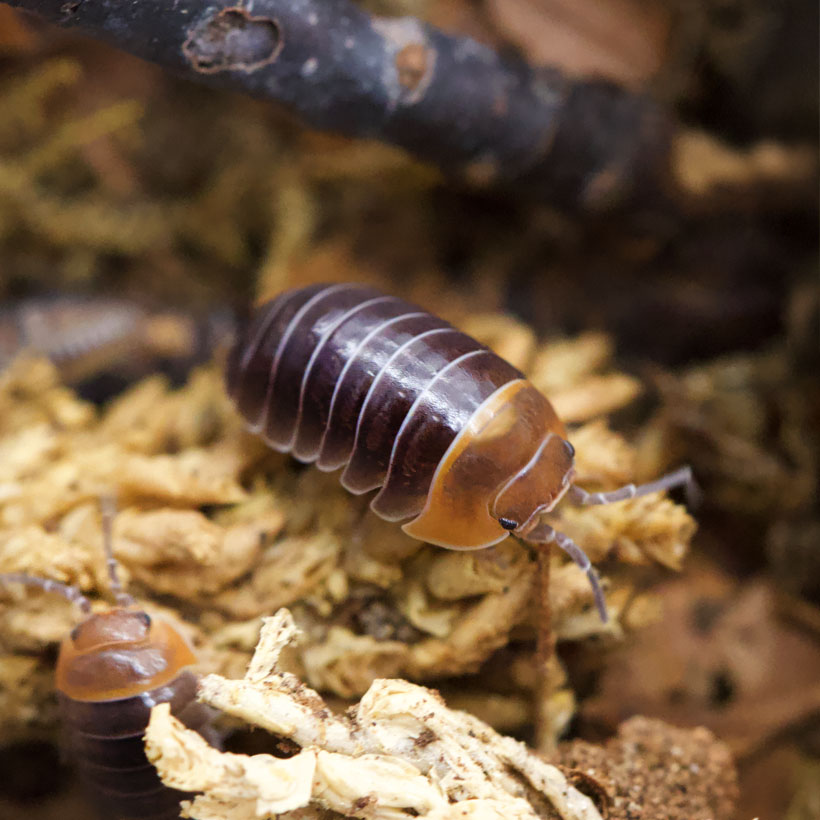
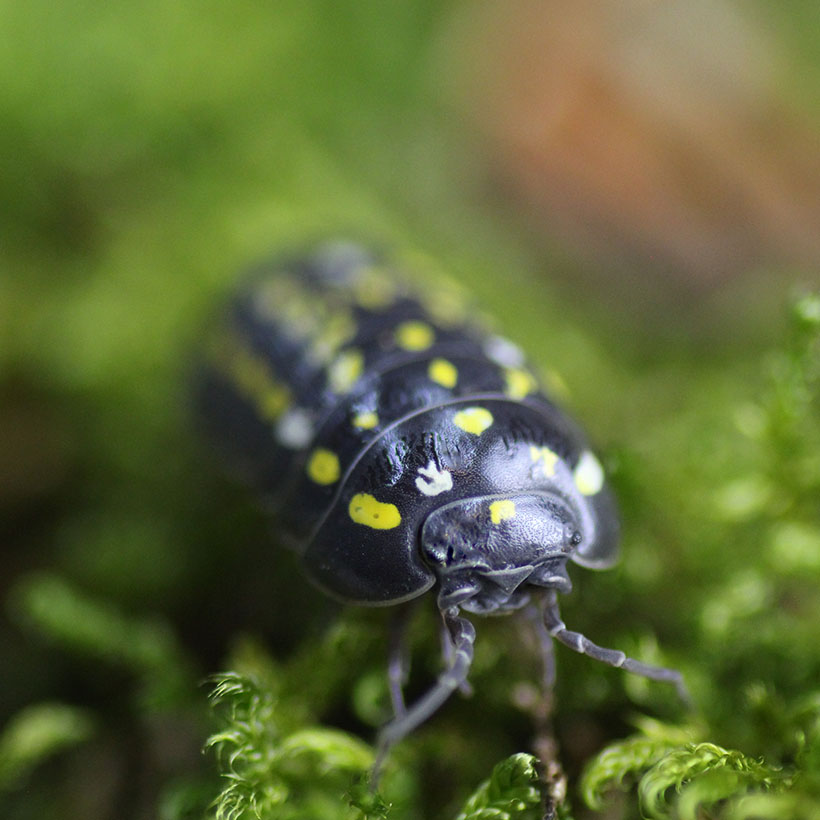
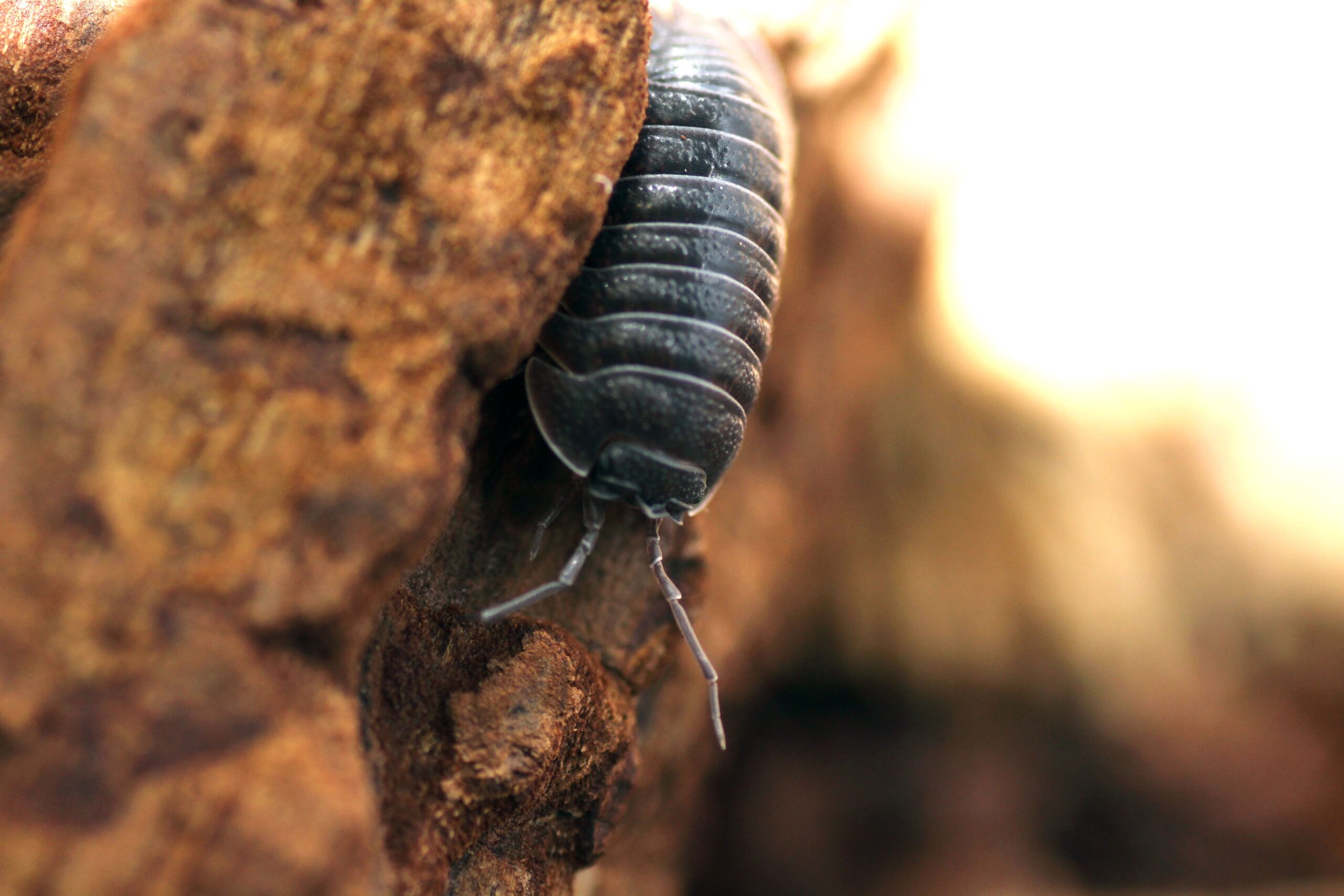
Armadillidium klugii “Montenegro” has a purple-grey colored chitinous carapace, which is edged in orange. There are three parallel rows of white dots on this carapace. The antennae, legs and almost the entire underside of this woodlouse are gray.
It is possible to keep a group of Armadillidium klugii “Montenegro” in containers with a capacity of 5 liters or more. It is important to know that this isopod species will not reproduce if there is not enough space. However, you can play a little trick and increase the “population density” by providing plenty of hiding places.
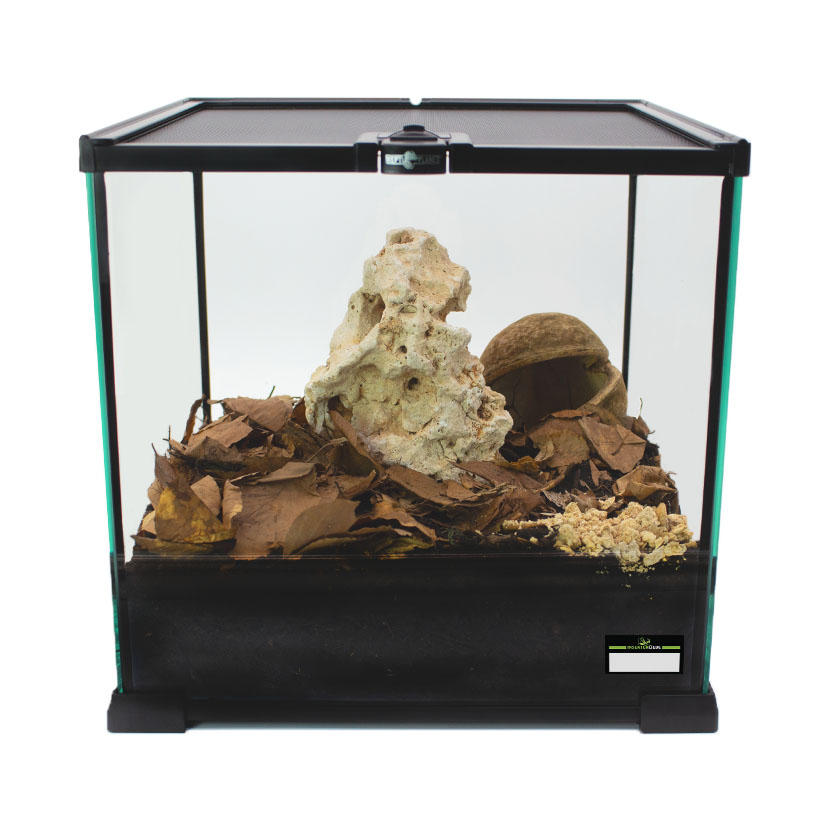
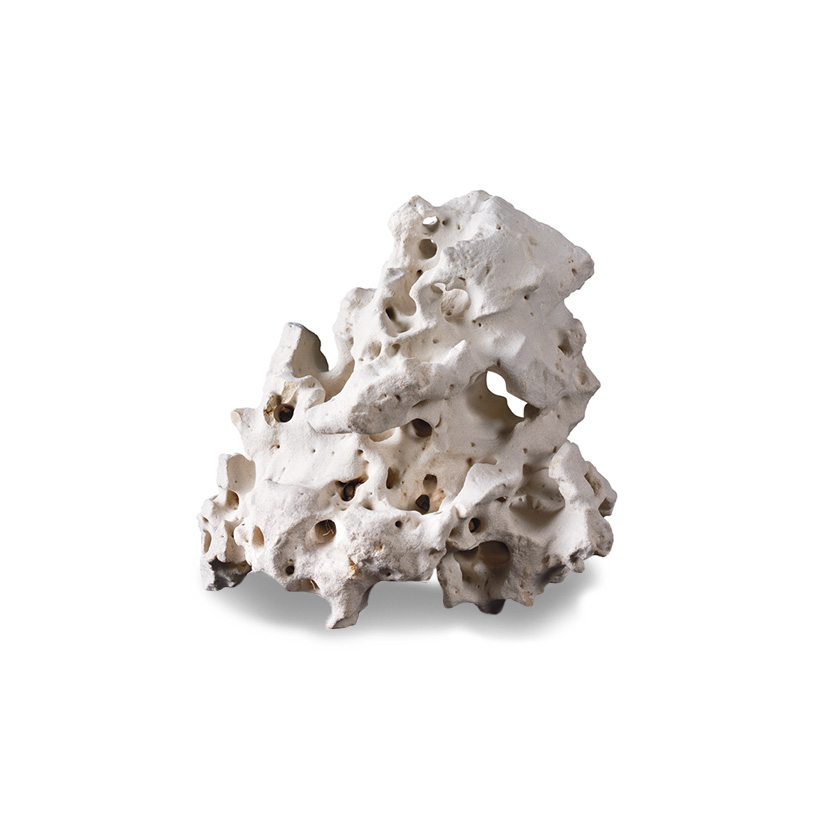
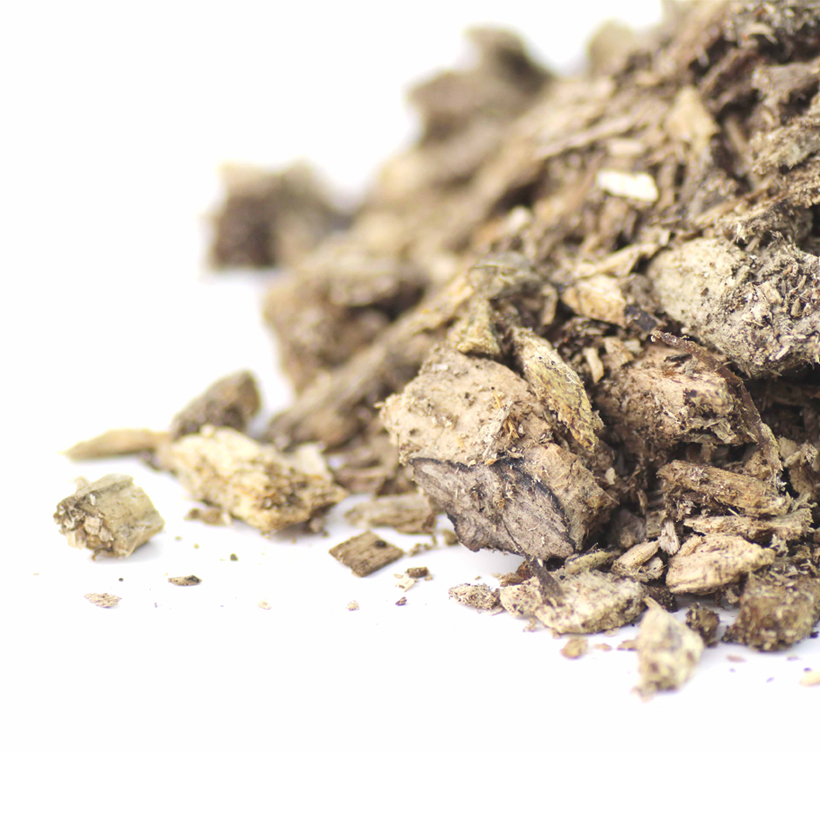
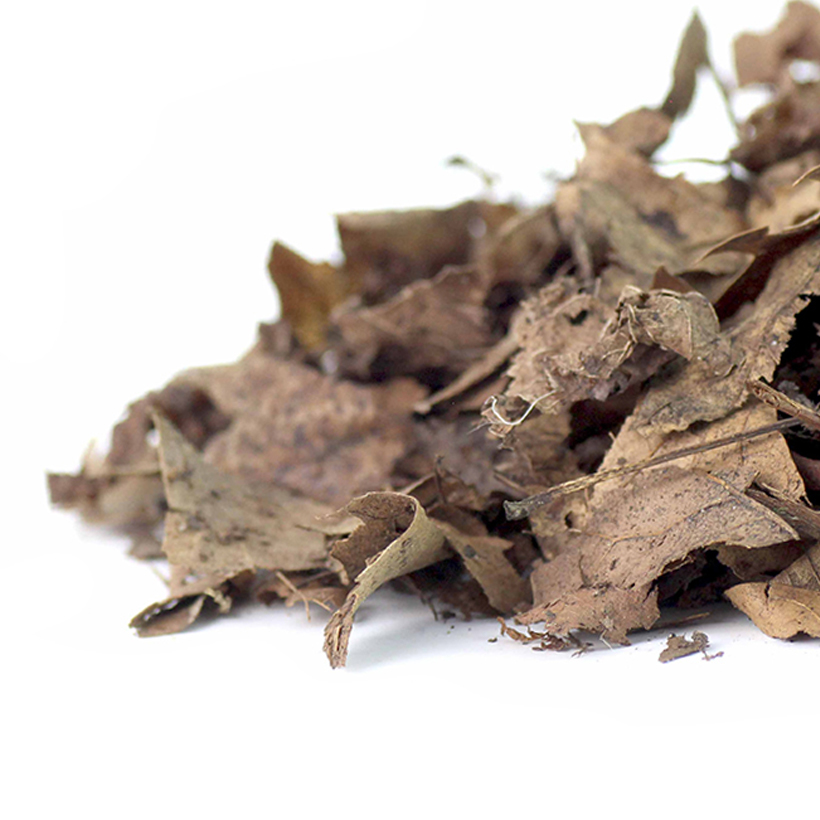
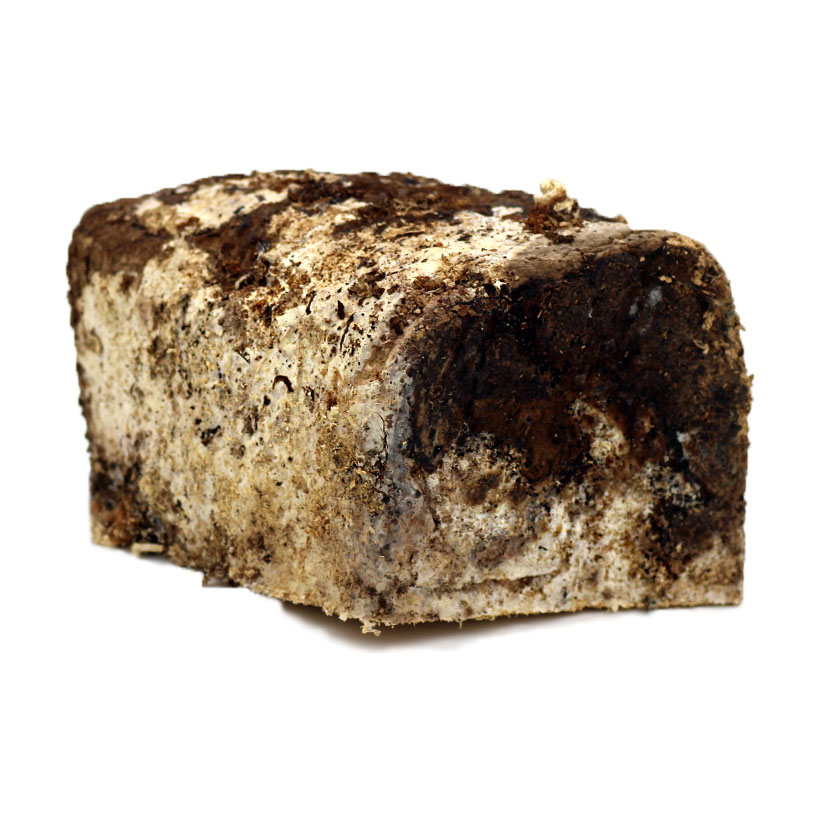
A mixture of soil, leaves, white rotten wood and lime is suitable as a substrate. Moss, pieces of bark and leaves should be spread over this layer of substrate. On the one hand, these things serve as shelter, on the other as food and to keep the humidity in the tank. In contrast to other woodlice, Armadillidium klugii “Montenegro” can be kept somewhat drier. A humidity of around 60% is sufficient for the animals. In this context, it is only important to ensure that the substrate does not dry out.
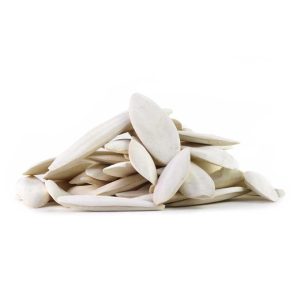
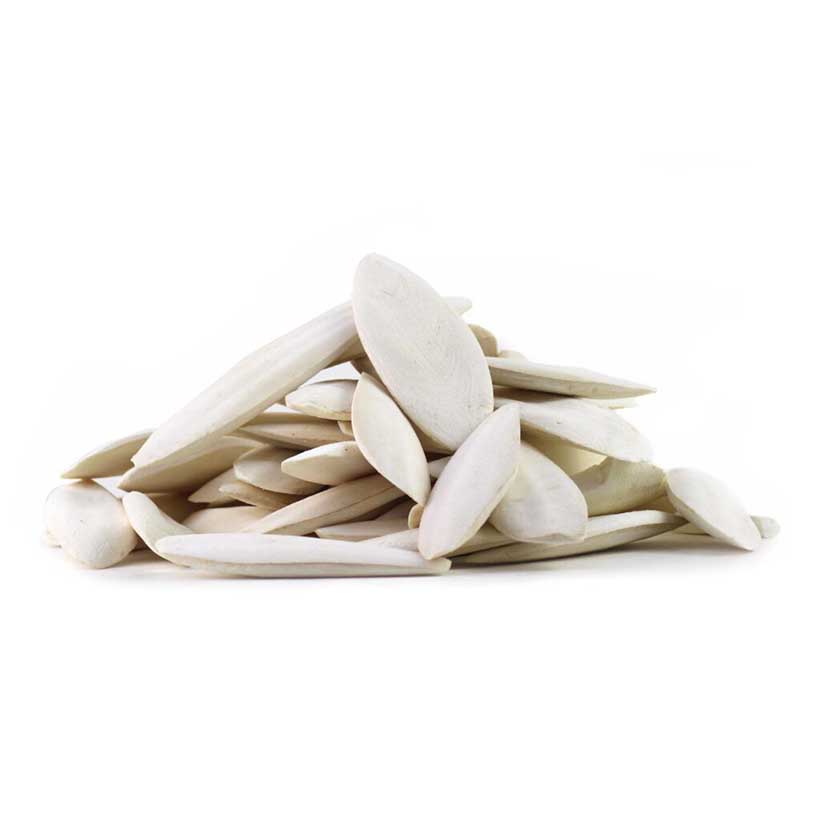
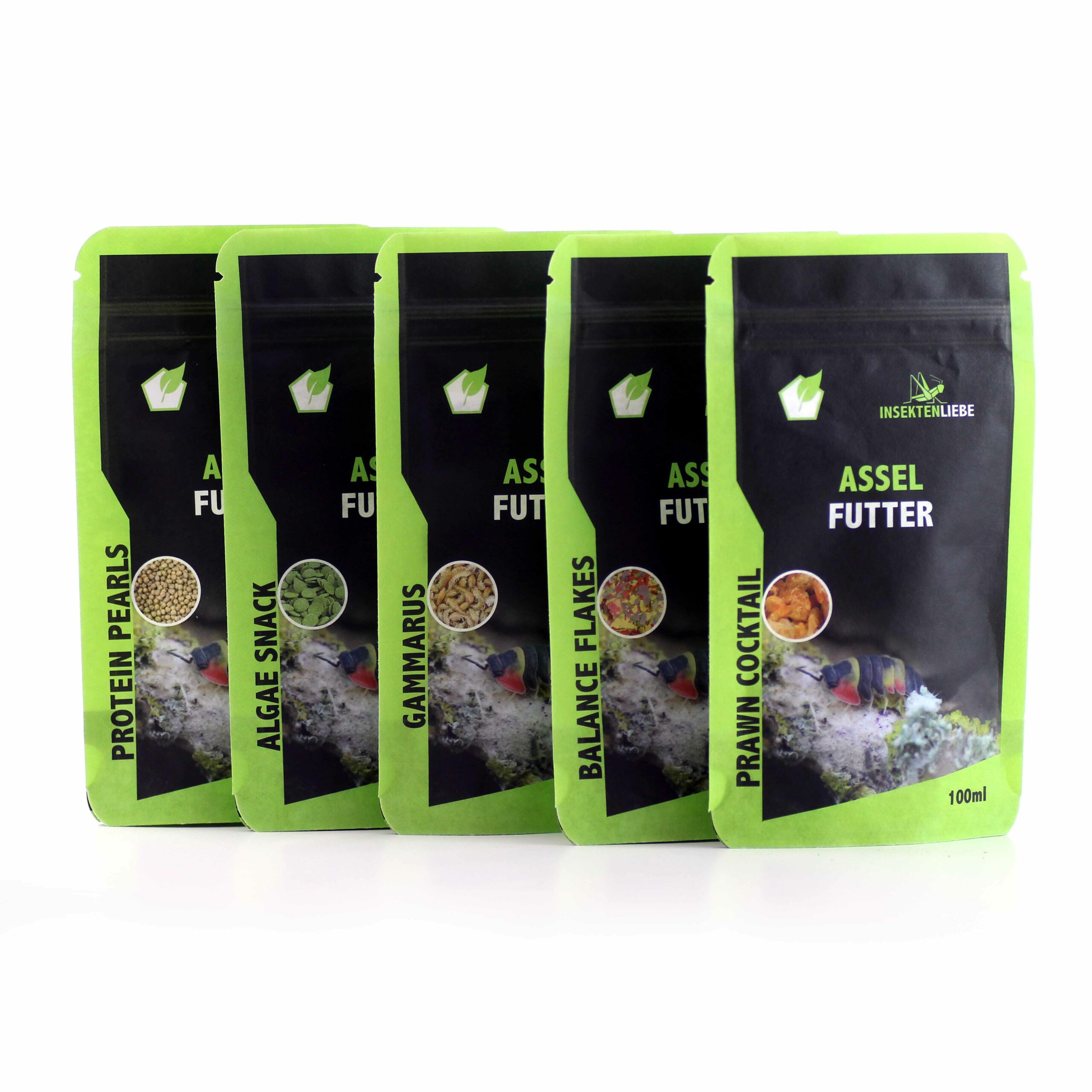
The temperature in the tank should be between 22 and 24°C. The animals need lime to build up their shell, which can be given in the form of cuttlefish, crushed eggshells or similar. White rotten wood and leaves in the substrate serve as food. Vegetables, fruit, flowers and isopod food can also be served. Isopods of various species are great companions for millipedes. These little cleaners are also increasingly being used in reptile terrariums. Armadillidium klugii “Montenegro” are crepuscular and nocturnal and usually stay hidden during the day.
Perfect combined with
-
Hobby Terra Fix & Easy
Price range: 107,99 € through 220,49 € incl. VAT, plus shipping