Armadillidium granulatum “Lemon”
35,00 € incl. VAT, plus shipping
Sales Unit: 12 animals
Sales Unit: 12 animals
Out of stock

Simple

Spain

< 25 mm

20°C – 24°C
Brief description:
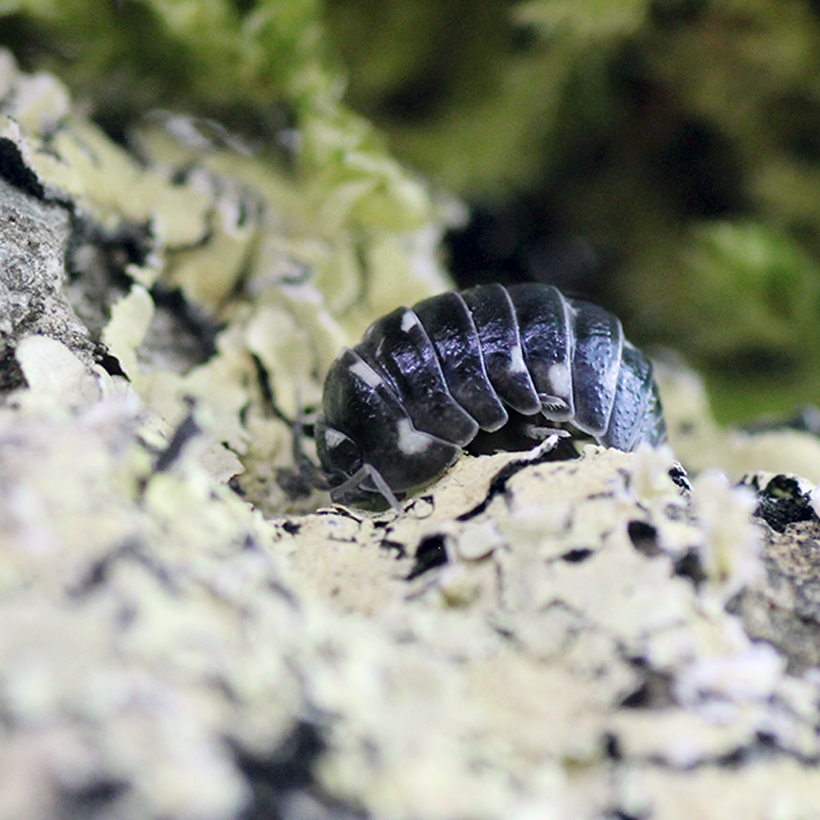
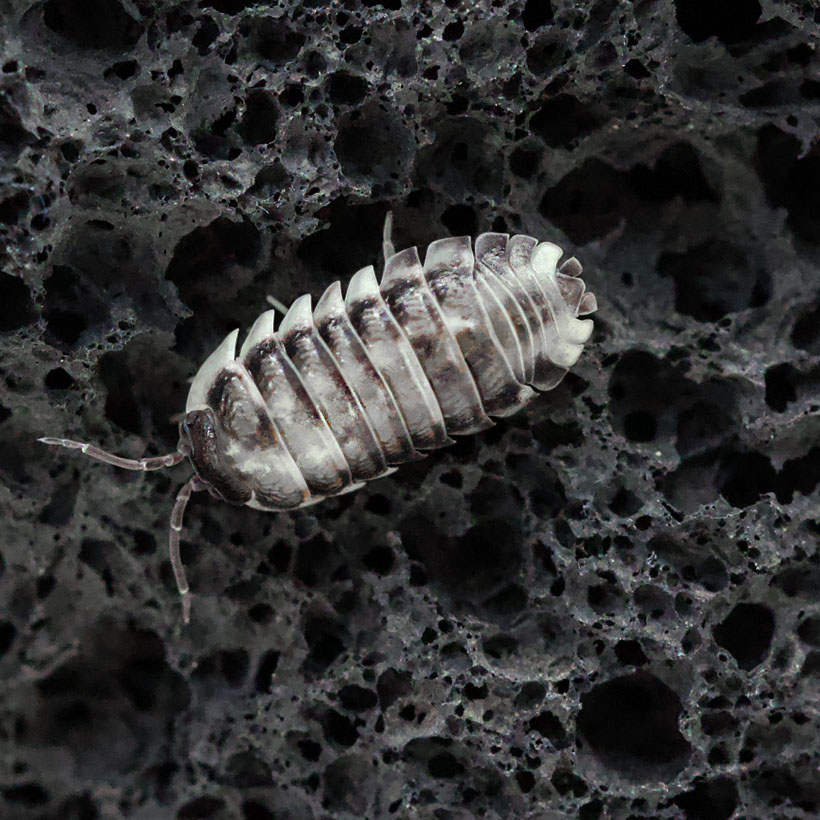
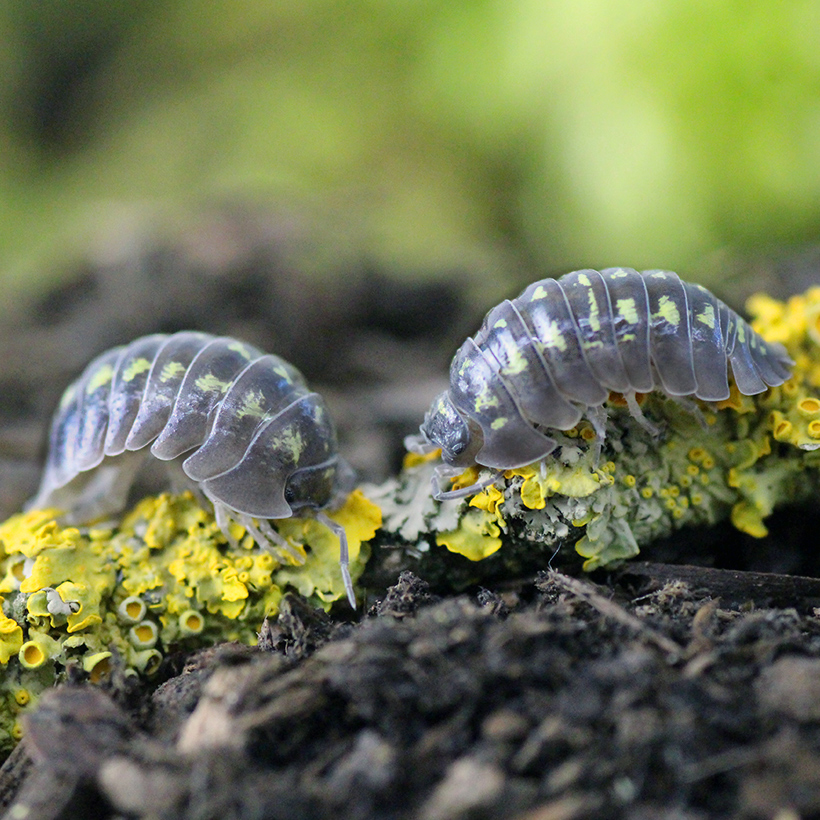
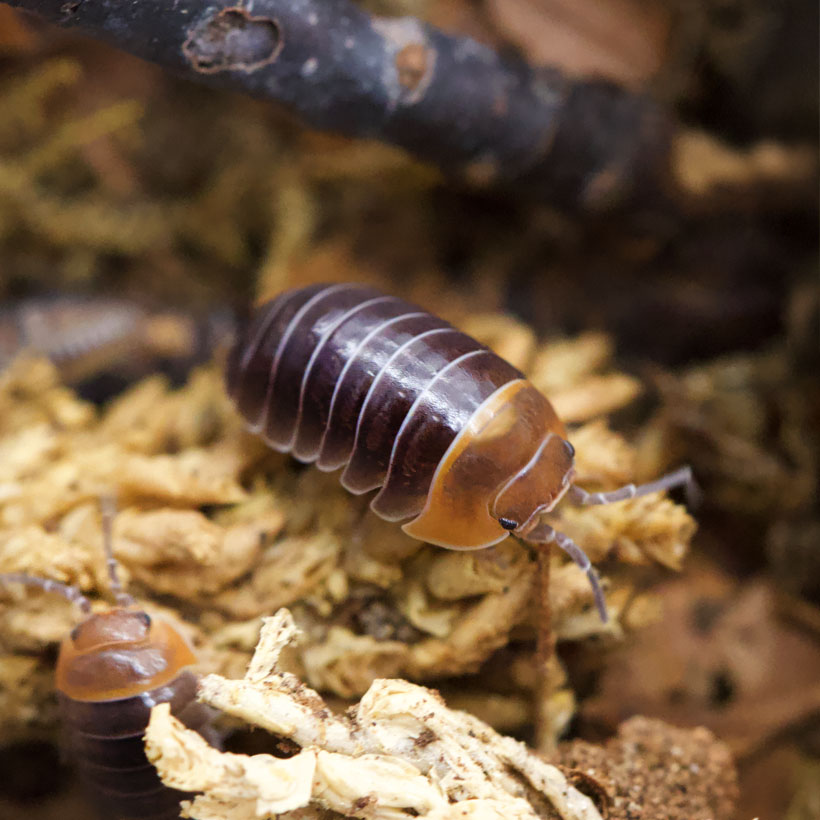
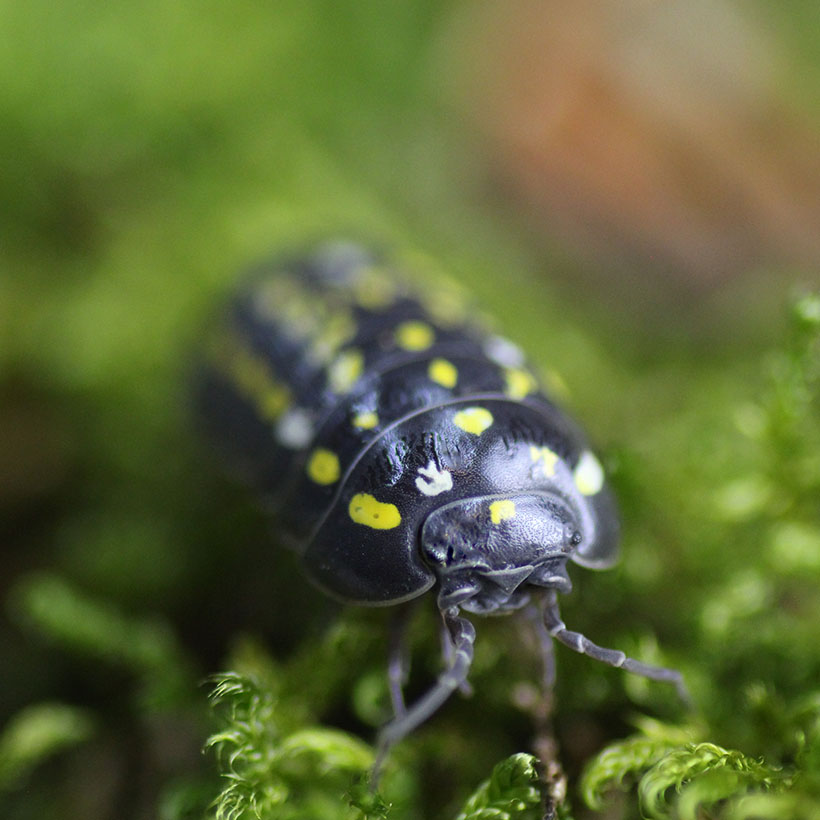
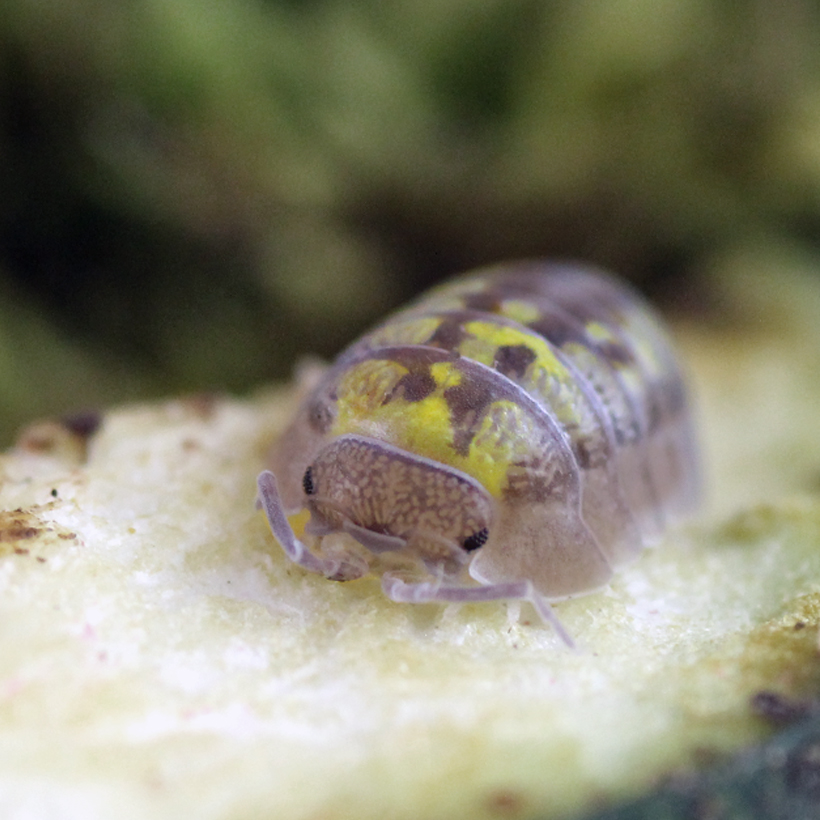
Armadillidium granulatum “Lemon” is the first color morph of this species. More will follow, that much is already certain. As Armadillidium granulatum has already delighted many keepers with its size and ease of keeping, this is great news for everyone.
The morph has a brown base coloration with larger yellow spots than the original. The size and ease of keeping have not changed as a result of the mutation. In the breeding strain of Armadillidium granulatum “Lemon”, a further mutation called “Magic Potion” occasionally occurs. This is currently being selected and bred out by us. The species Armadillidium granulatum therefore remains exciting and it will be interesting to see what is yet to come.
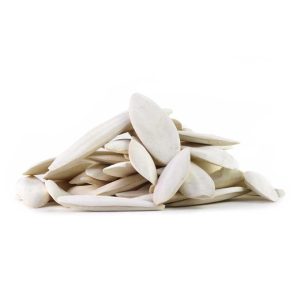
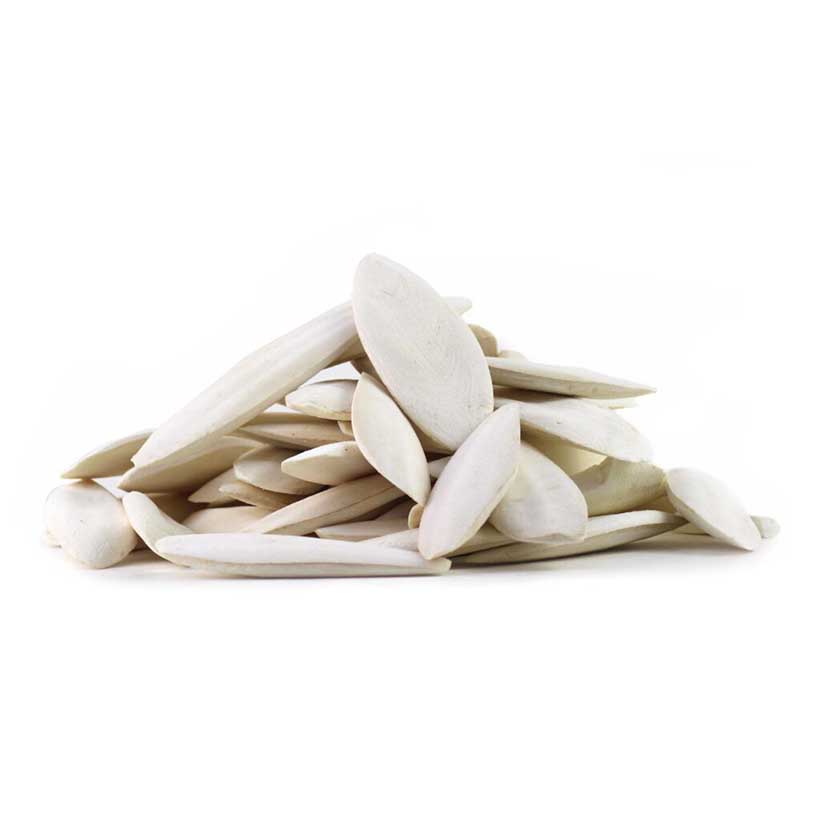
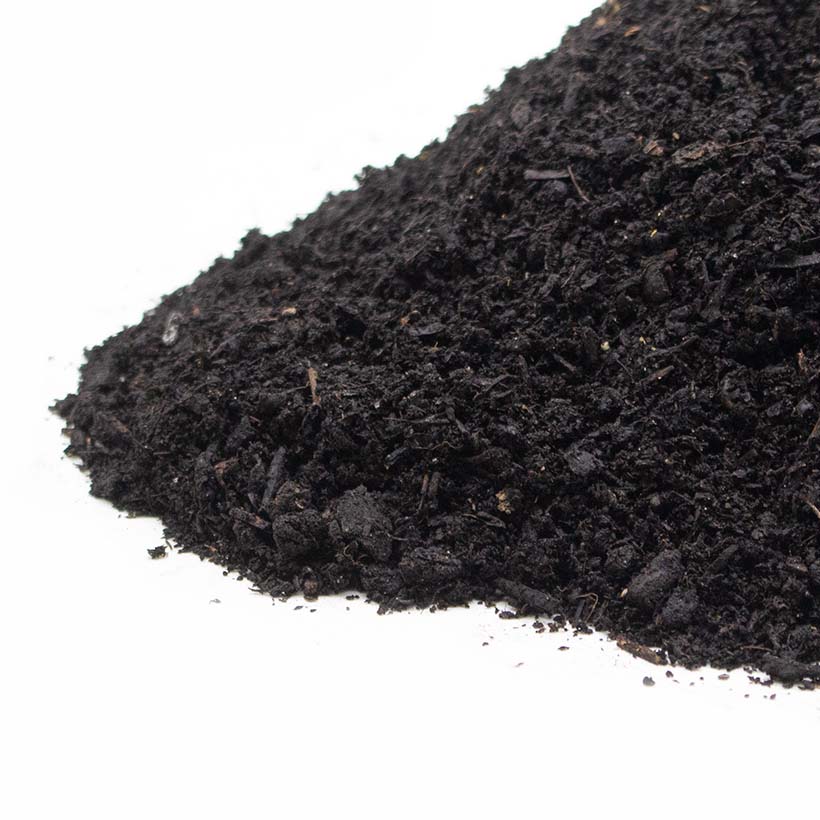
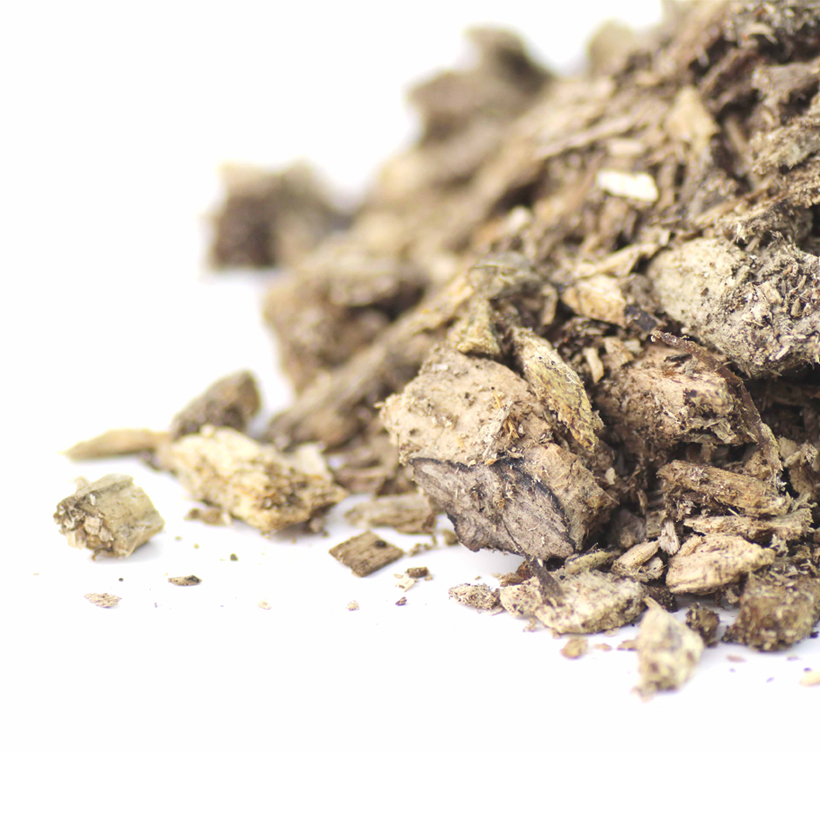
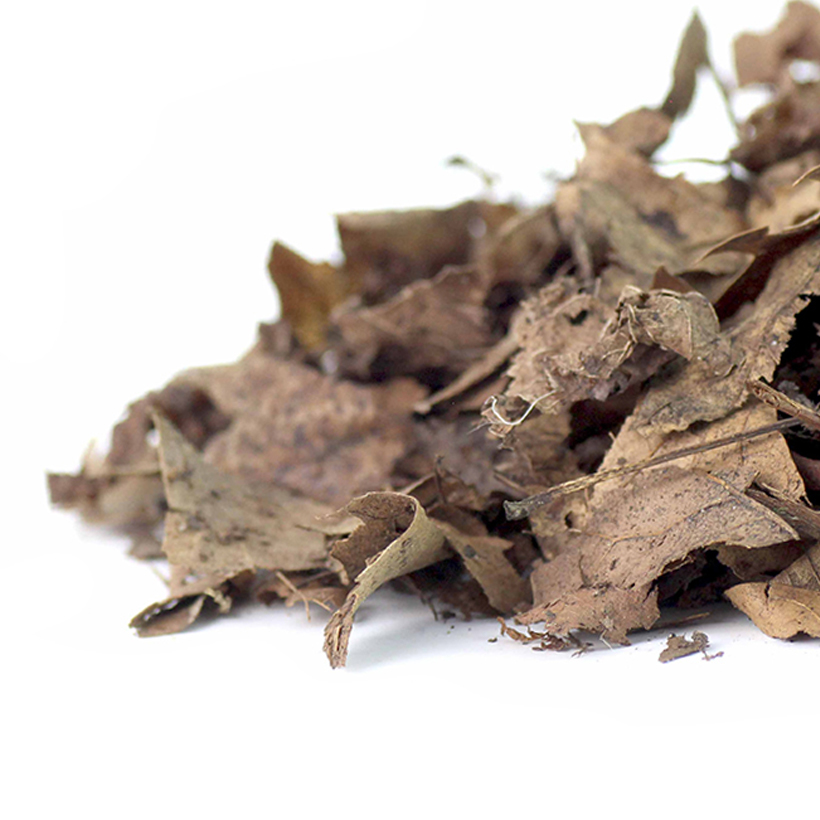
It is possible to keep a group of Armadillidium granulatum “Lemon” in containers with a capacity of 5 liters or more. It is important to know that this isopod species will not reproduce if there is not enough space. As the natural habitat is the litter layer in deciduous forests, particular attention should be paid to this. If you want to create a terrarium that is close to nature, choose a layer of deciduous forest humus, leaves and white rotten wood approx. 10 cm high as a substrate. Moss, pieces of bark and leaves should be spread over this layer of substrate. On the one hand, these things serve as shelter, on the other hand as food and to keep the humidity in the tank. The tank for Armadillidium granulatum “Lemon” should always be kept moist. However, waterlogging should be avoided at all costs. A humidity level of 60-80% will normally regulate itself quickly with regular spraying. The animals need lime to build up their shell, which can be given in the form of cuttlefish, crushed eggshells or similar. White rotten wood and leaves in the substrate serve as food. Vegetables, fruit, flowers and isopod food are also readily accepted.
Perfect combined with
-
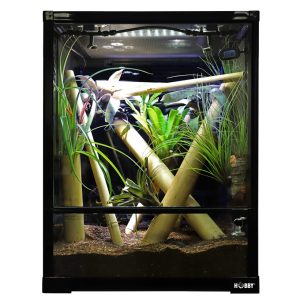
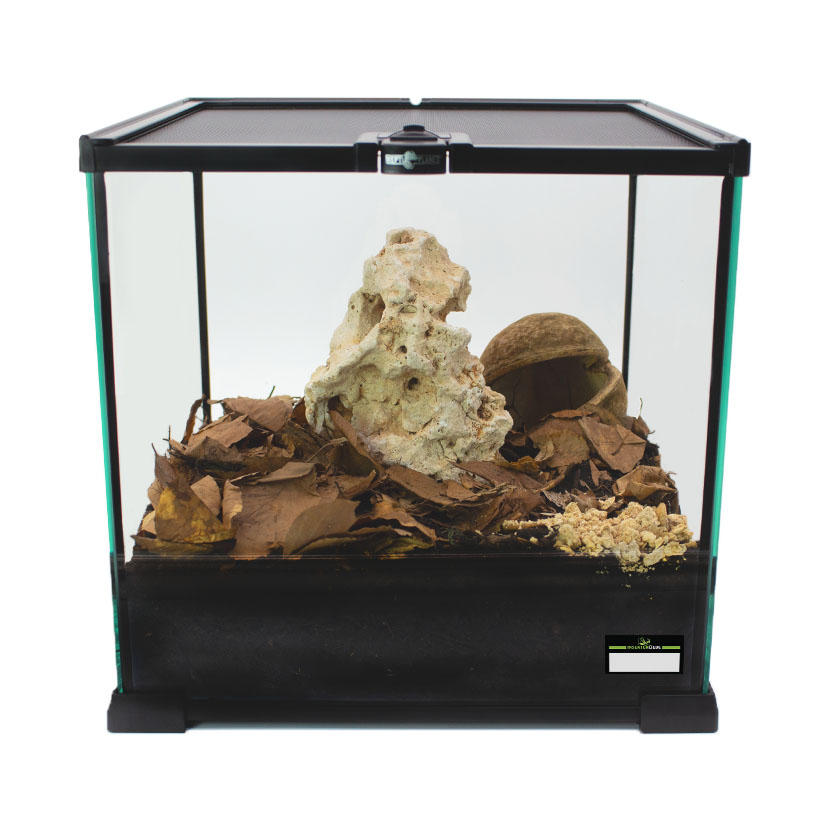
Hobby Terra Fix & Easy
Price range: 107,99 € through 220,49 € incl. VAT, plus shipping -
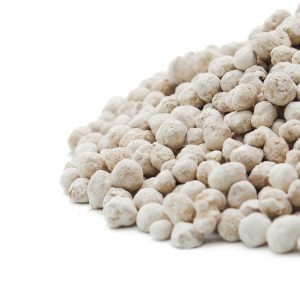
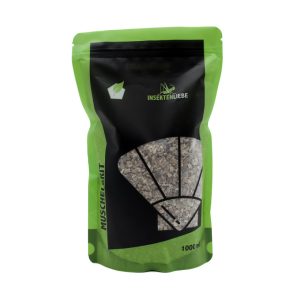
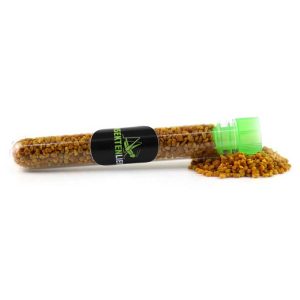
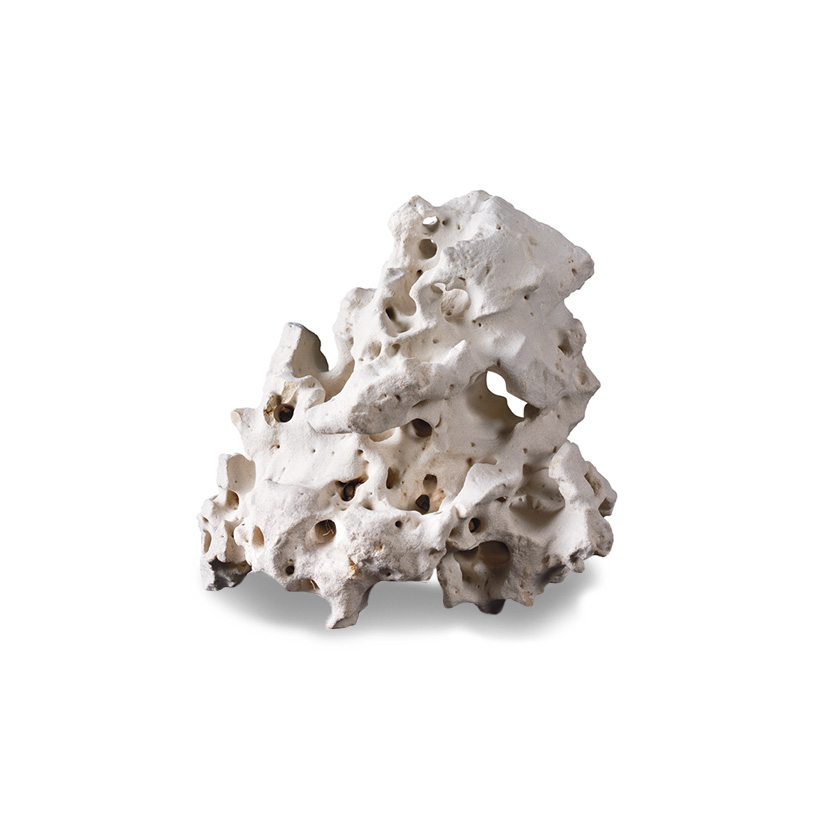
Lime granulate
Price range: 0,49 € through 3,90 € incl. VAT, plus shipping
(from 10 SU = 10% Discount, from 50 SU = 15% Discount, from 100 SU = 20% Discount)
Sales Unit: 1 unit