
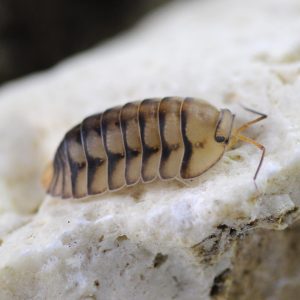
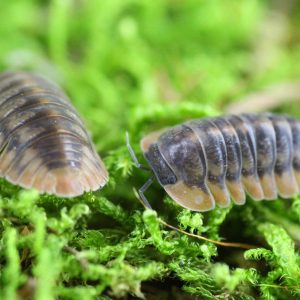
Isopods
Why isopods should not be missing in the terrarium?
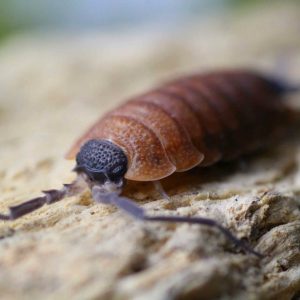
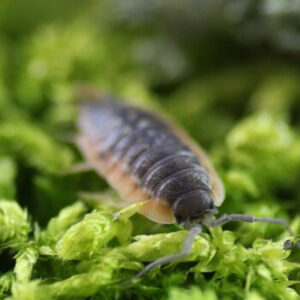
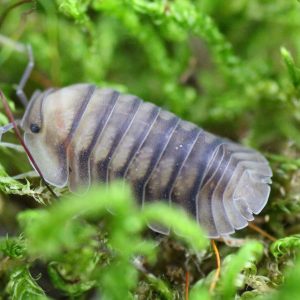
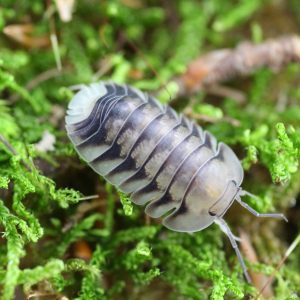
In the meantime, one can already speak of a triumphant advance of isopod keeping in terraristics. The industrious first decomposers convert excrement, leftover food animal remains and plant debris into humus and thus ensure a mold-free substrate. They also prevent the formation of mites and create a self-sufficient ecosystem in the terrarium. This is why isopods are often used as ground police in the terrarium. Rapidly reproducing species can also be used as soil police and food animal suppliers. They have a high calcium content and also prevent rickets. The variety of landlice species is huge and you can find the right isopod species for almost all terrarium requirements. The country of origin or climate zone is an important indicator in the search.
Woodlice as display animals in the terrarium
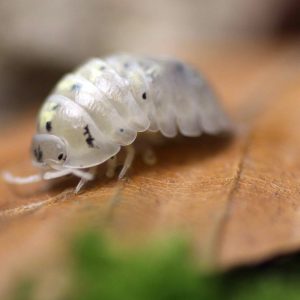
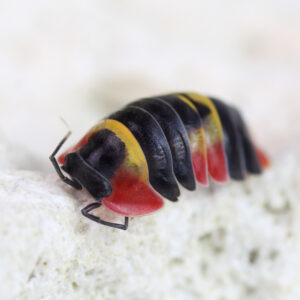
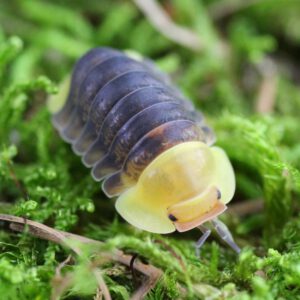
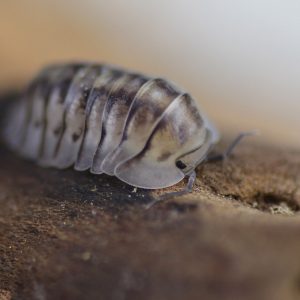
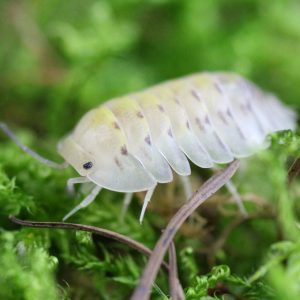
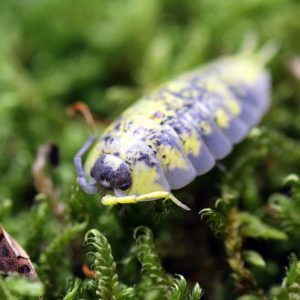
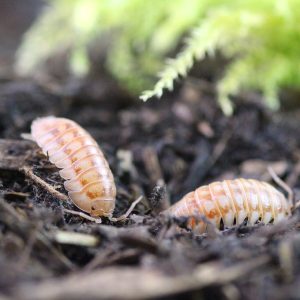
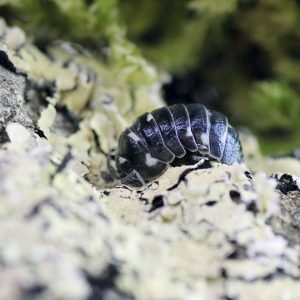
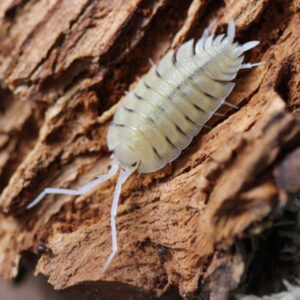
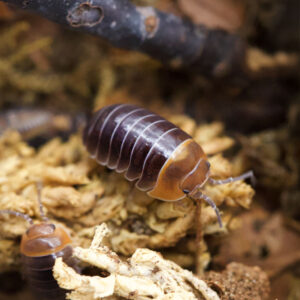
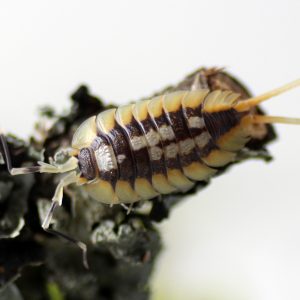
Due to the almost unlimited variety of species, but also color mutations of very different isopods, keeping them as display animals is becoming more and more popular. This allows you to observe the behavior of these interesting crustaceans in complete privacy and also select color mutations. The design possibilities in the terrarium are almost unlimited and you can give free rein to your creativity. The space requirements are small and the time required is also limited. This means that isopods are also ideal pets for children and young people.
How are woodlice kept?
Woodlice are primary decomposers and their main food consists of white rotten wood and fermented leaves. The substrate should therefore consist of 1/3 white rotten wood and 2/3 forest humus. The top layer should consist of fermented leaves. You have already covered the substrate and the food supply at the same time. A cork bark as a hiding place and a cuttlebone as a source of calcium cover the interior. Woodlice do not require a lot of space and you can start with small terrariums or boxes with a capacity of 5 liters.