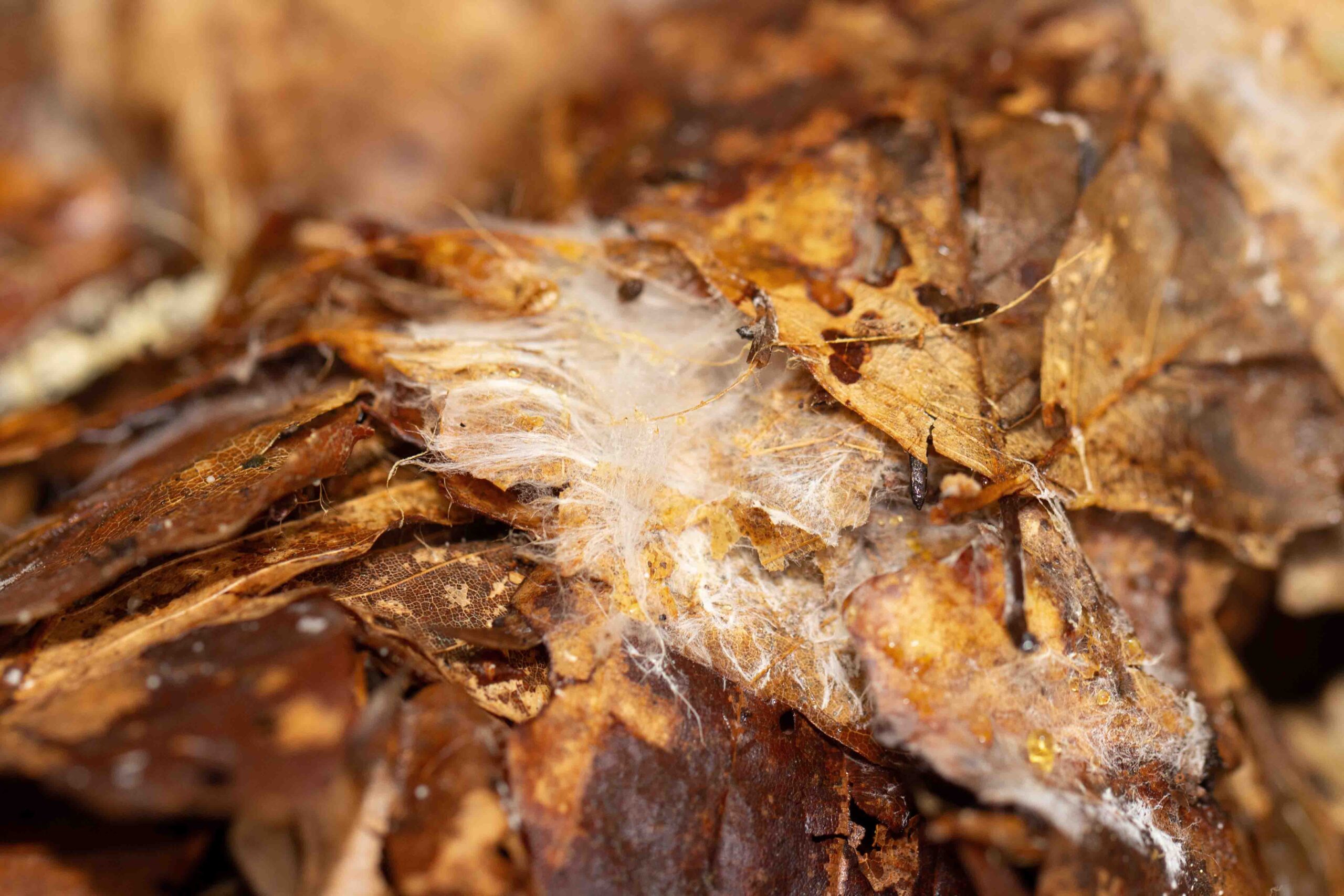


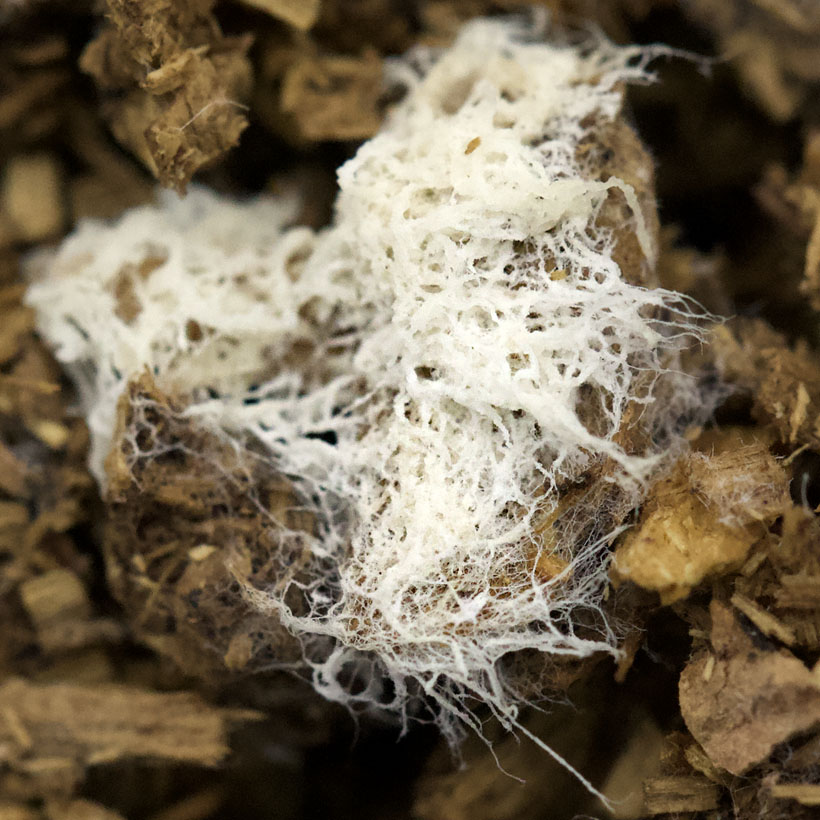
It happens again and again: you take a look in your lovingly decorated terrarium and discover white threads running through the substrate or the leaves. Many keepers immediately fear that this is mold. However, in most cases, what you see is not mold, but mycelium in the terrarium – a natural phenomenon in a well-furnished terrarium.
In this article, I’ll explain how to distinguish mycelium in the terrarium from mold and why mycelium can even be helpful for your terrarium. We’ll also take a look at the forest and the fungal mycelium found there and its role in the natural cycle.
What is mycelium in the terrarium and how does it develop?
Mycelium in the terrarium is the underground network of a fungus that forms in moist and nutrient-rich environments. Fungi reproduce by spores, which spread to form a mycelium under suitable conditions. This fungal network looks like white, hair-like threads that run through the substrate, leaves or wood.
In your terrarium, mycelium is often created by fermented leaves, flake soil or white rotten wood – materials that are often used to furnish terrariums. These are not only ideal for the animals in the terrarium, but also for fungi, as they provide a perfect food source.
Mycelium in the forest – The invisible network
The next time you’re out and about in the forest, keep an eye out for mushrooms – or rather for what you can’t see straight away: the mycelium. This network of fungi forms a huge network in the forest floor, connecting trees and plants. This network is often referred to as the “Wood Wide Web” because it allows plants and trees to communicate with each other and share nutrients.
Plants can use the mycelium network to exchange nutrients such as sugar and nitrogen, for example, but also to send signals about pests or environmental changes. If a tree is attacked by pests, it can warn other trees through the mycelium network so that they activate their defense mechanisms. In this way, the mycelium helps to stabilize the forest ecosystem and connect trees over long distances.
Although research has not yet clearly confirmed that trees can react to weather changes such as storms via mycelium networks, the fact that plants and trees “communicate” with each other via the “Wood Wide Web” is impressive.
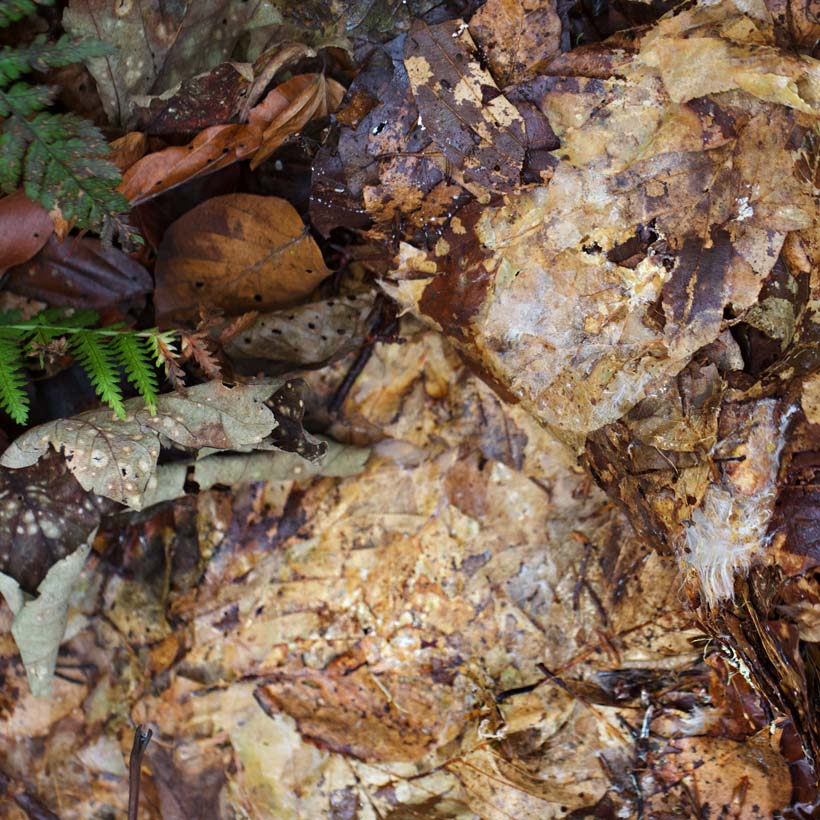
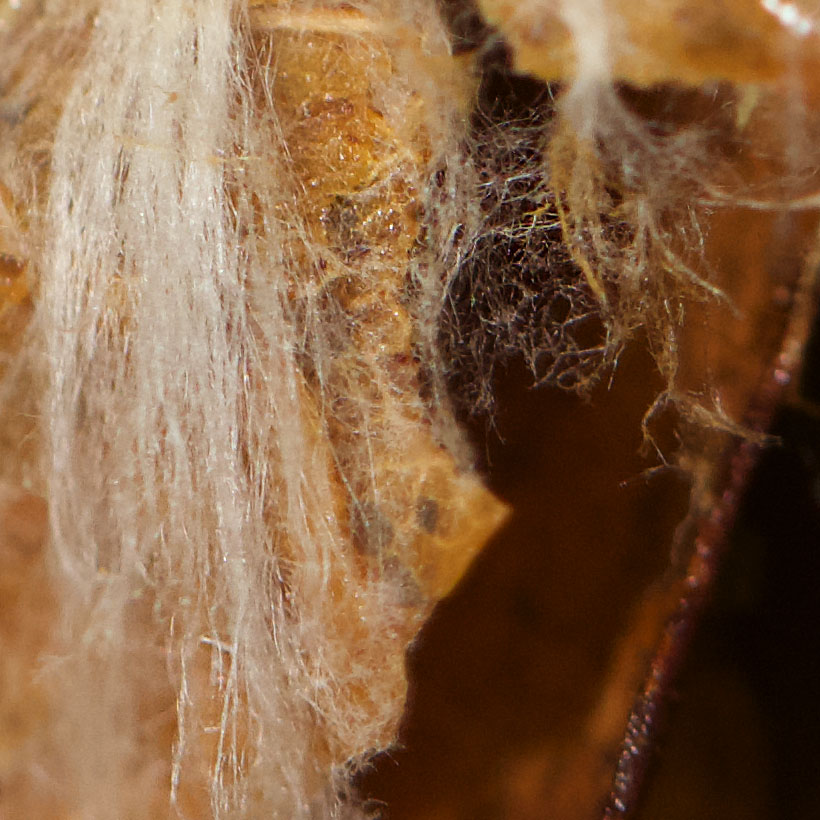
During my walk in the forest, I took some fascinating photos of mycelium in the forest myself. You can see how the white threads run through the soil and foliage. This natural network shows impressively how important fungi are for the nutrient cycle in the forest.
Mycelium in the terrarium vs. mold – the difference
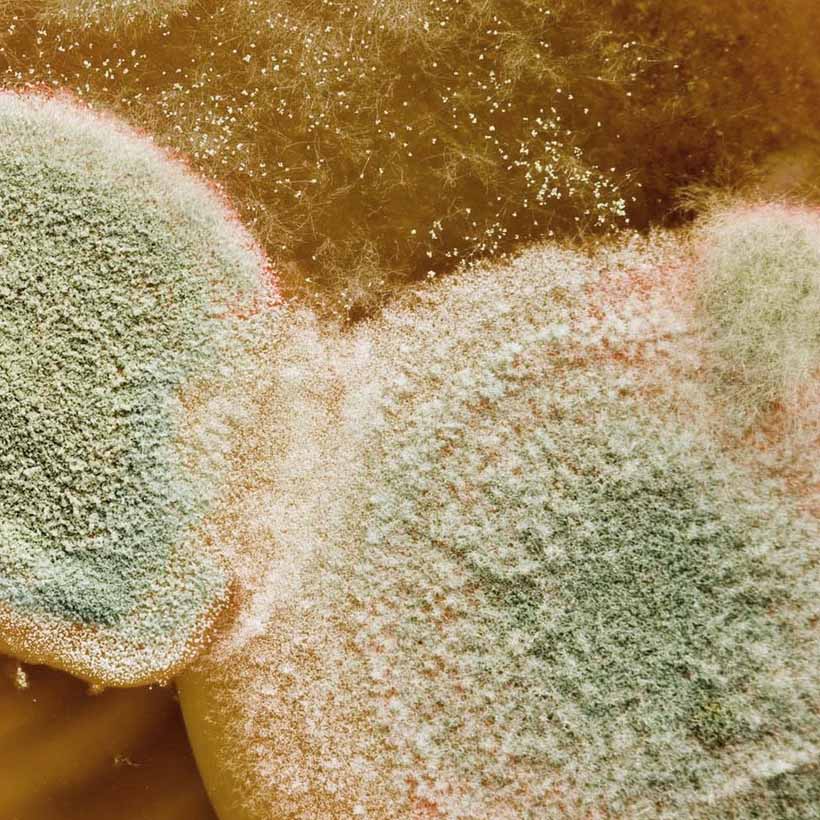
Many keepers confuse mycelium in the terrarium with mold. Mold is a fungus that usually develops in damp and unhygienic conditions and can be potentially harmful to the animals in the terrarium. Mold often has a grayish or greenish color and usually forms fluffy, cotton-like structures.
Mycelium in the terrarium, on the other hand, is finer and white. It tends to spread evenly and often attaches itself to organic materials such as leaves or wood. Mycelium is usually a natural part of the decomposition process and is harmless to your terrarium inhabitants.
Tip: If you are unsure whether it is mold or mycelium in the terrarium, pay attention to the consistency and color. Mold often smells unpleasant, while mycelium tends to remain neutral or smell like fungus. Mold also often grows in small, isolated patches, while mycelium is spread over a larger area.
Mycelium in the terrarium as a food source for Isopods
For primary decomposers such as Isopods, millipedes and springtails, mycelium is an important source of food in the terrarium. Isopods feed on dead plant material that is decomposed by fungi and mycelium. The decomposition process that mycelium sets in motion in the terrarium makes complex organic compounds such as lignin and cellulose digestible for Isopods.
But it is not only the decomposed plant remains that are valuable to Isopods – Isopods also eat the mycelium itself. Mushrooms contain valuable nutrients such as proteins, fats and carbohydrates, which are an important food source for Isopods. Especially in humid environments where fungi thrive, the mycelium is an optimal source of nutrients.
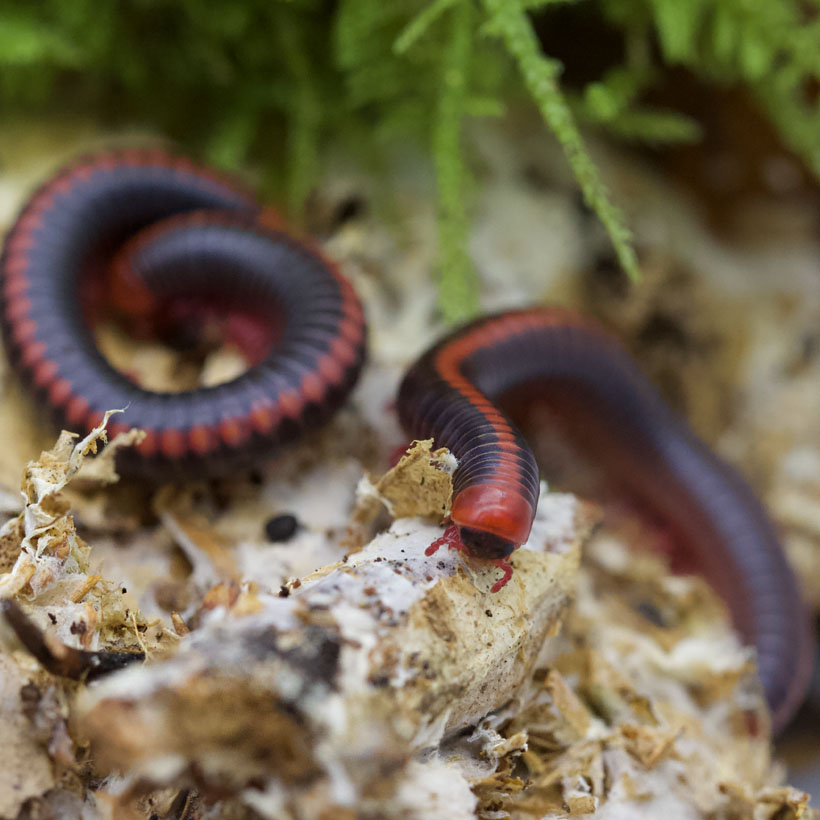
Mycelium also plays a crucial role in the nutrient cycle of the soil by breaking down organic material and releasing nutrients such as nitrogen and phosphorus. These nutrients are in turn taken up by plants and passed on to Isopods through the food chain. Isopods help to return these nutrients to the soil through their excretions, which supports the nutrient cycle in the terrarium.
Mycelium also promotes the growth of bacteria and other microorganisms, which are also ingested by Isopods. It thus creates a microhabitat that provides a variety of food sources for Isopods and contributes to the stability of the terrarium.
Promoting mycelium in the terrarium
Instead of fighting mycelium in the terrarium, you can see it as part of the natural cycle. To promote the formation of mycelium, you can use materials such as forest humus, fodder leaves, white rotten wood or flake soil . These provide an excellent food base for fungi and help the mycelium to develop well. A balanced moisture level is also important to support the growth of mycelium without encouraging mold growth.
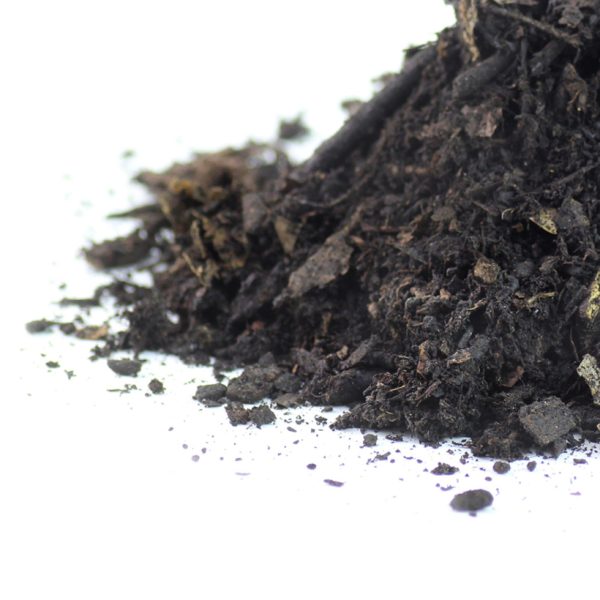
Forest humus
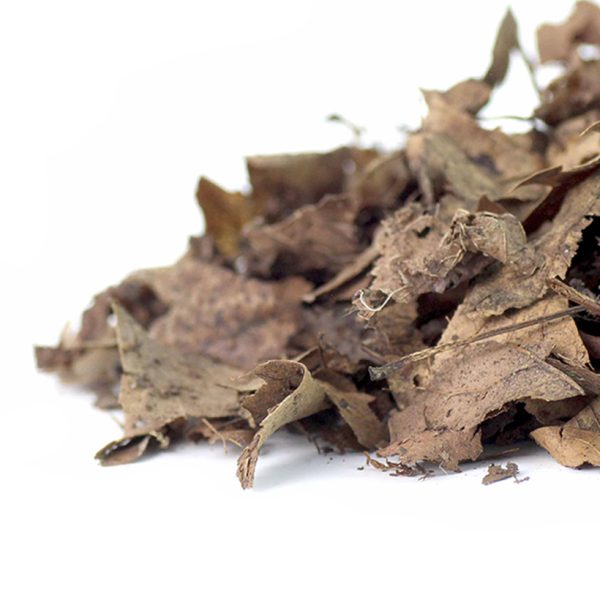
Fodder leaves
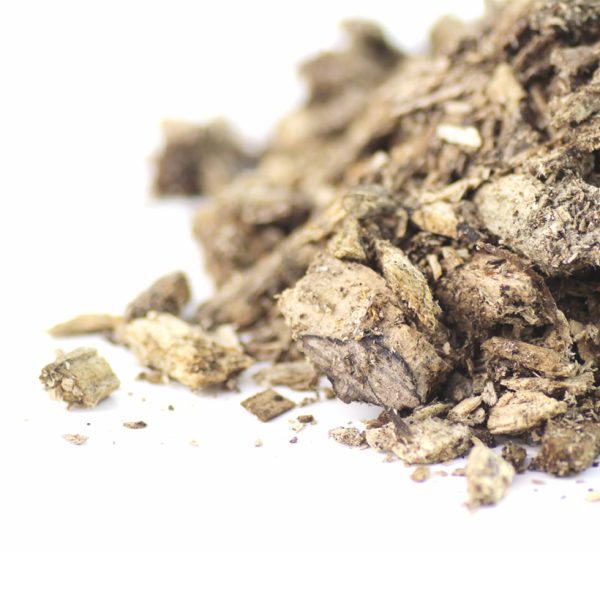
White rotten wood
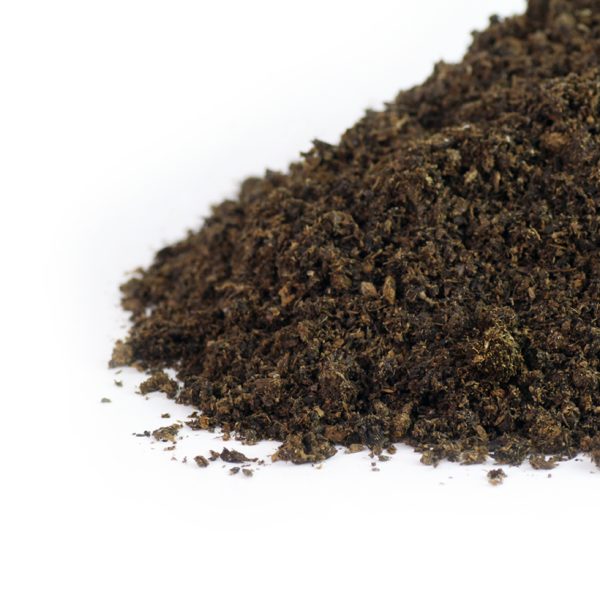
Flake Soil
Conclusion – Mycelium in the terrarium: a useful helper
Mycelium in the terrarium is a natural component of a healthy terrarium and contributes to the decomposition of organic material. It supports the circulation of nutrients and provides a valuable food source for many animals, especially Isopods. The mycelium in the terrarium should therefore not be seen as a danger, but as an indicator of a functioning mini-ecosystem.
If you are still unsure whether it is mold or mycelium in the terrarium, the tips mentioned above will help you to differentiate. And next time you’re out and about in the forest, take a closer look – you might discover the fascinating network of mycelium there too!
If you have any further questions, please leave them in the comments below the article.
Leave a Reply
You must be logged in to post a comment.