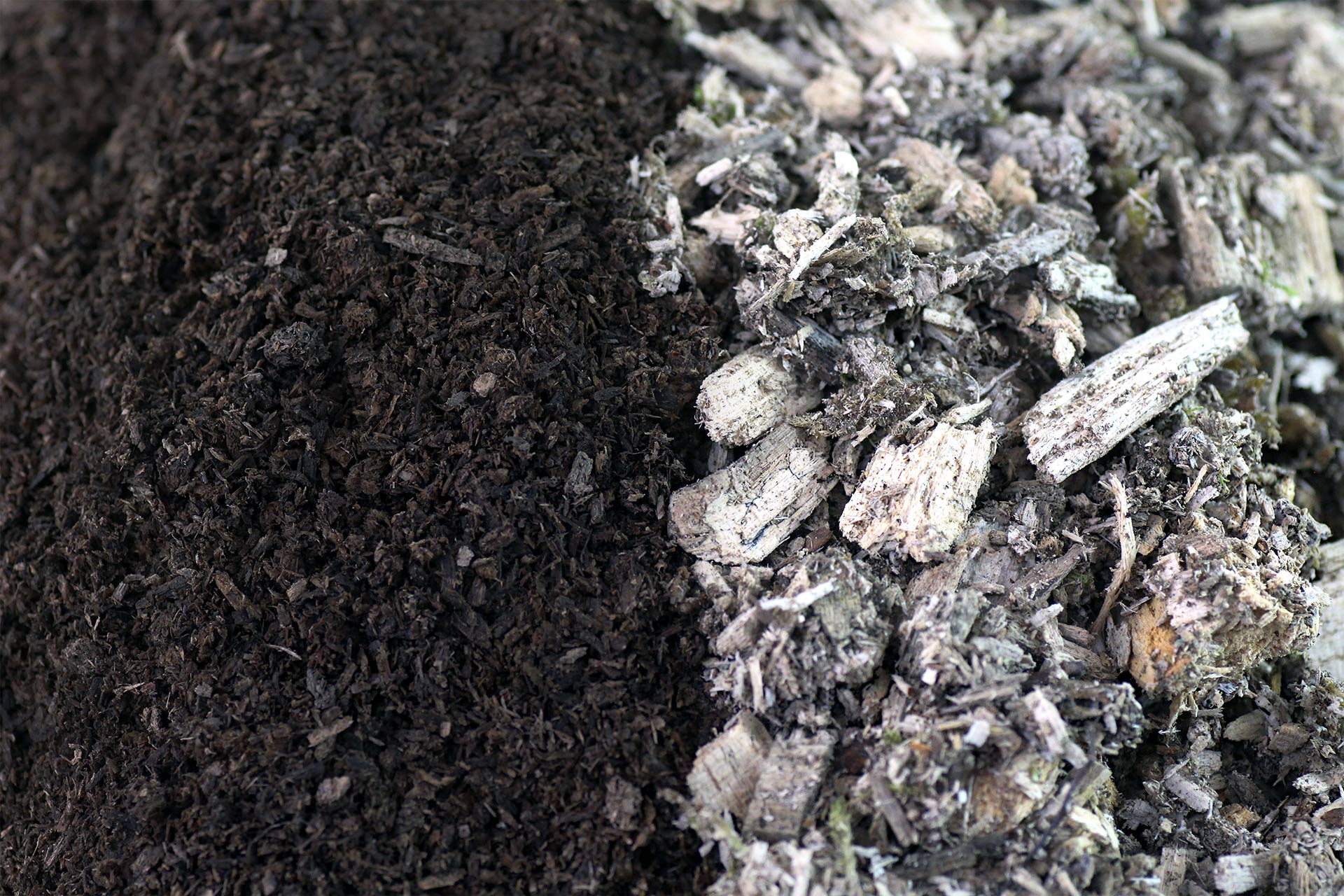


Flake soil as a substrate is currently the subject of controversial debate. Many people are unsure whether the Japanese miracle substrate has more advantages or disadvantages for their pets. In this article, we shed light on the Japanese miracle substrate and uncover the light and dark sides.
Flake Soil in the terrarium – it all started with forest humus and white rotten wood
The forest floor consists of different surface layers with varying degrees of decomposition. Bacteria, threadworms, horn mites, whiteworms, earthworms, bipedes, pseudoscorpions, insect larvae, Isopods and millipedes are not only at home here, but have also adapted perfectly to the conditions. The forest floor is a complex habitat and much more than just soil. It is home to countless different species, making it impossible to describe them all. There are more creatures in a handful of soil than there are people on the entire planet. What’s more, not all of them have been researched. They have no names and are blank spots on the map of biodiversity.
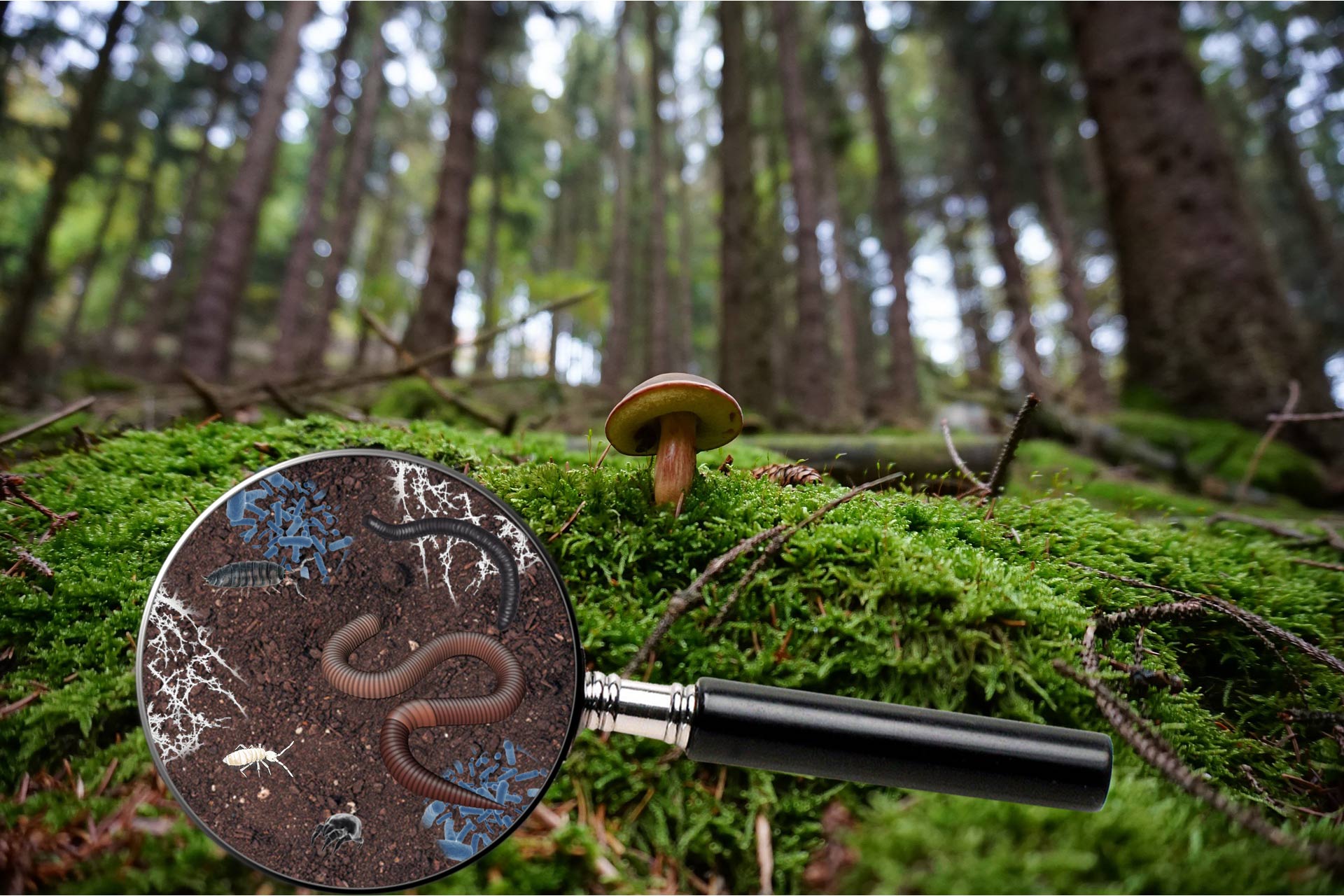
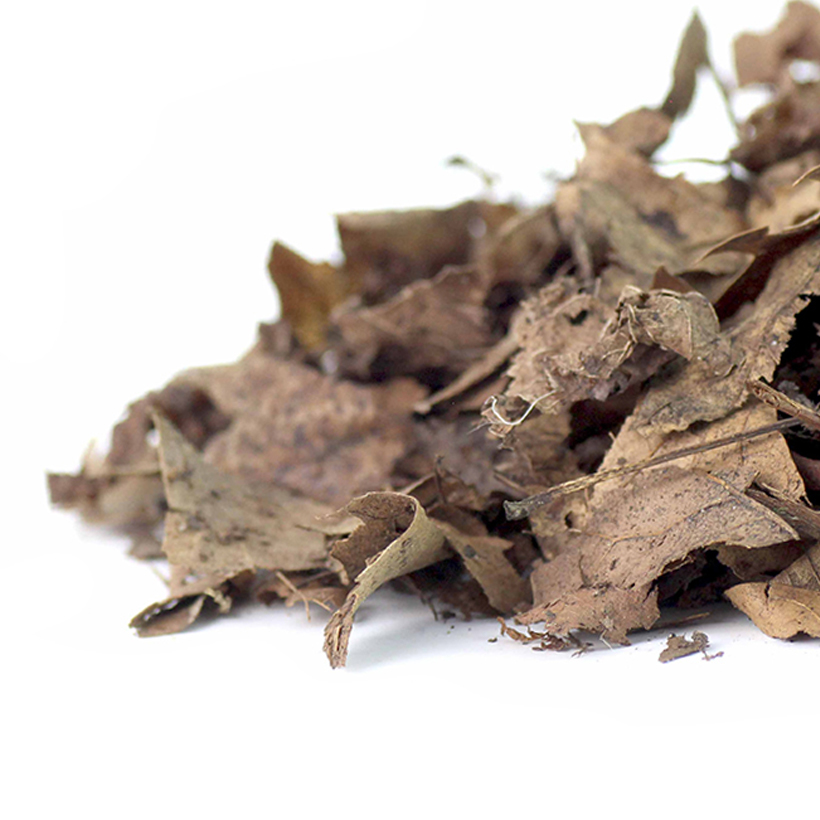
Microorganisms such as bacteria, fungi and algae also live in these forest layers. They all help to ensure that there are no unusable products in the forest ecosystem. Anyone who deals with the first decomposers, keeps, cares for or breeds them, simulates these conditions in order to provide the animals with a natural environment. The main components of this reproduction consist of: Forest humus, white rotten wood and leaves.
The birth of flake soil
This was the rule until it was discovered that certain substances such as lignin are broken down far better by bacteria than by white rot fungi. In contrast to the white rot fungus, the bacteria spare the cellulose, which is an important source of energy for the primary decomposers, during decomposition. This accelerates the growth of the primary decomposers.
In Japan, breeding beetles is a widespread hobby. Beetles are considered ideal pets there. They require little space, little attention and captivate with their unusual colors and impressive shapes. As beetle breeding also has a long tradition in Japan, regular competitions have developed there. In these competitions, the winners are determined by who weighs the heaviest beetle larvae. As a result, not only are the husbandry parameters constantly optimized, but above all the quality of the food.
White rot wood is time-consuming
For a long time, white rot wood was the main and standard food for all beetle breeders. White rot is the process of lignin degradation in wood by fungi. Lignin is a natural polymer and ensures lignification in plant cells, gives them stability and at the same time protects the plant from microorganisms. To produce white rot wood, you need freshly felled hardwood and white rot fungi for inoculation. Decomposition can take up to three years. If the hardwood is shredded beforehand, the process can be accelerated somewhat, but it remains time-consuming and space-intensive. Incidentally, collecting white rotten wood in the forest is not an option! Firstly, it is forbidden and there is a risk of heavy fines and secondly, the forest needs the dead wood. The newly formed humus protects the forest from drying out. Last but not least, it also provides a natural habitat for many species.
Flake Soil is sustainable and cheaper
Hardwood shavings, wheat bran, bacteria for inoculation and water are required to produce flake soil. The maturing process takes four months and is therefore many times faster than the production ofwhite rot wood. This also makes flake soil more cost-effective thanwhite rot wood. The hardwood chips are a waste product from many sawmills, making them sustainable and gentle on our forests. We only use beech wood shavings that are labeled with an FSC seal. Greenpeace recommends the purchase of FSC-certified wood products, which they, as an active FSC member, are trying to improve in the long term.
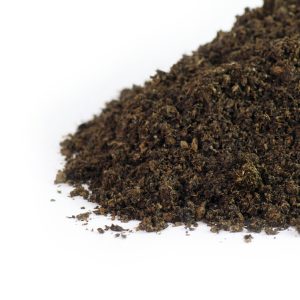
Flake Soil
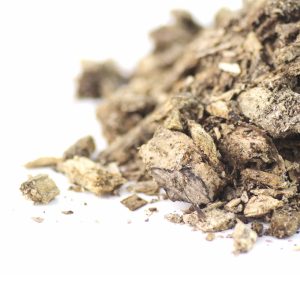
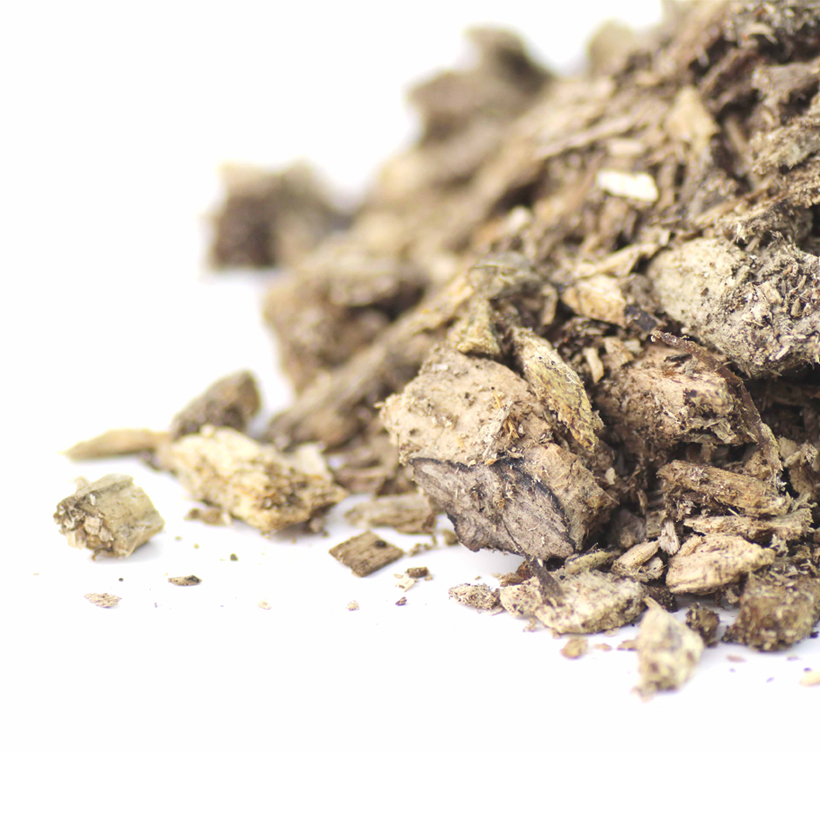
White rotten wood
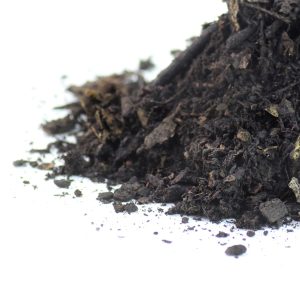
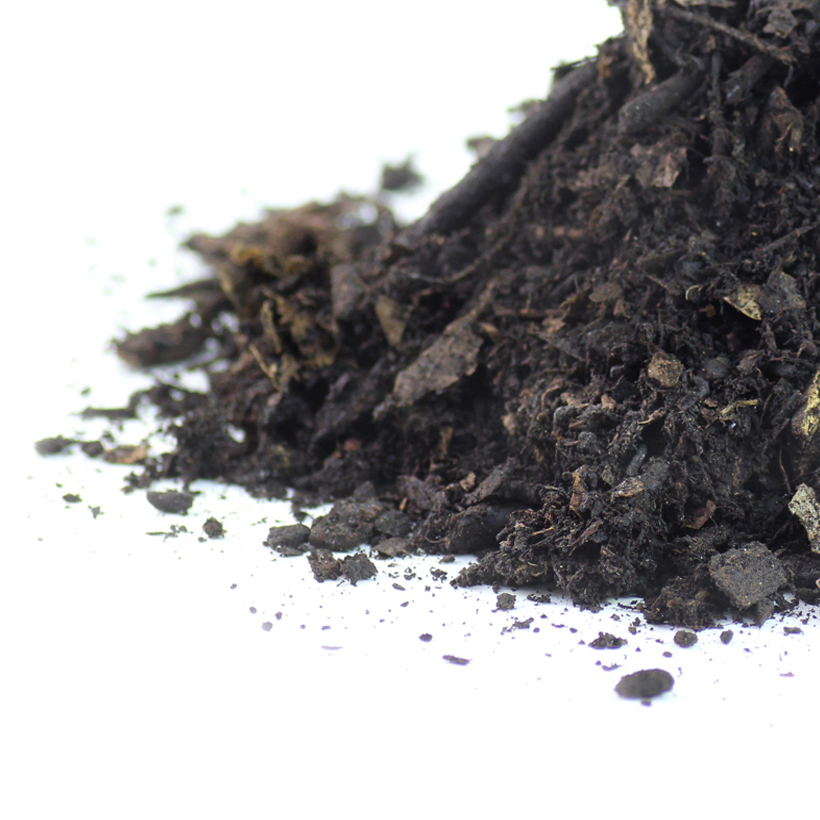
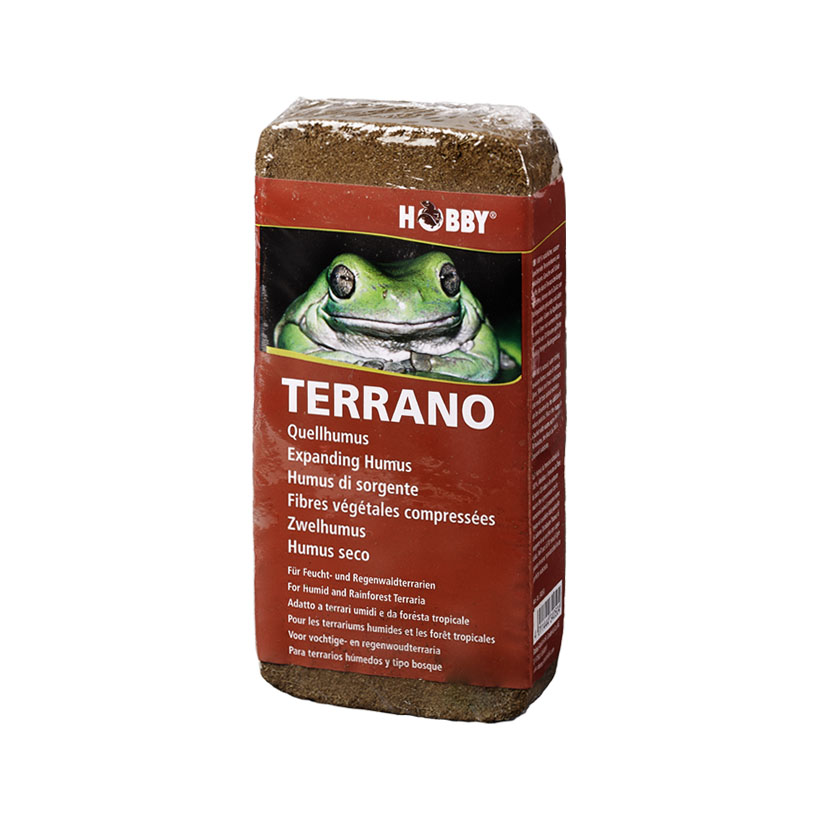
Forest humus
Our experience with Flake Soil
During our first test runs with flake soil in the terrarium, we limited ourselves to one species each. We chose Porcellio silvestri for the Isopods, Centrobolus spec. “Mozambique” for the millipedes and Therea regularis for our cockroaches. We constantly compared two breeding boxes per species with the same number of animals. In one breeding box, forest leaf humus, white rotten wood and foliage were selected as breeding substrate, in the other flake soil and foliage. The comparison period of the boxes was one year and the differences were clearly recognizable!
The reproduction rate of Porcellio silvestri was significantly higher with flake soil and foliage than on the conventional breeding substrate with white rotten wood. Without counting the animals individually, approx. 50% more animals were found in the box with the flake soil substrate.
Our Centrobolus spec. “Mozambique” grew faster and more vigorously with flake soil and foliage than with forest leaf humus, white rotten wood and foliage. We have not yet been able to draw any conclusions about propagation, as the duration of the test was too short for the propagation process.
With Therea regularis, we noticed an enormous increase in the reproduction rate and a shortening of the development time. We obtained significantly larger adult animals with flake soil and foliage. The behavior of the animals also changed as a result. The Therea regularis nymphs virtually lie in the flake soil and hardly move at all. This is a sign that they can find enough food in their immediate environment.
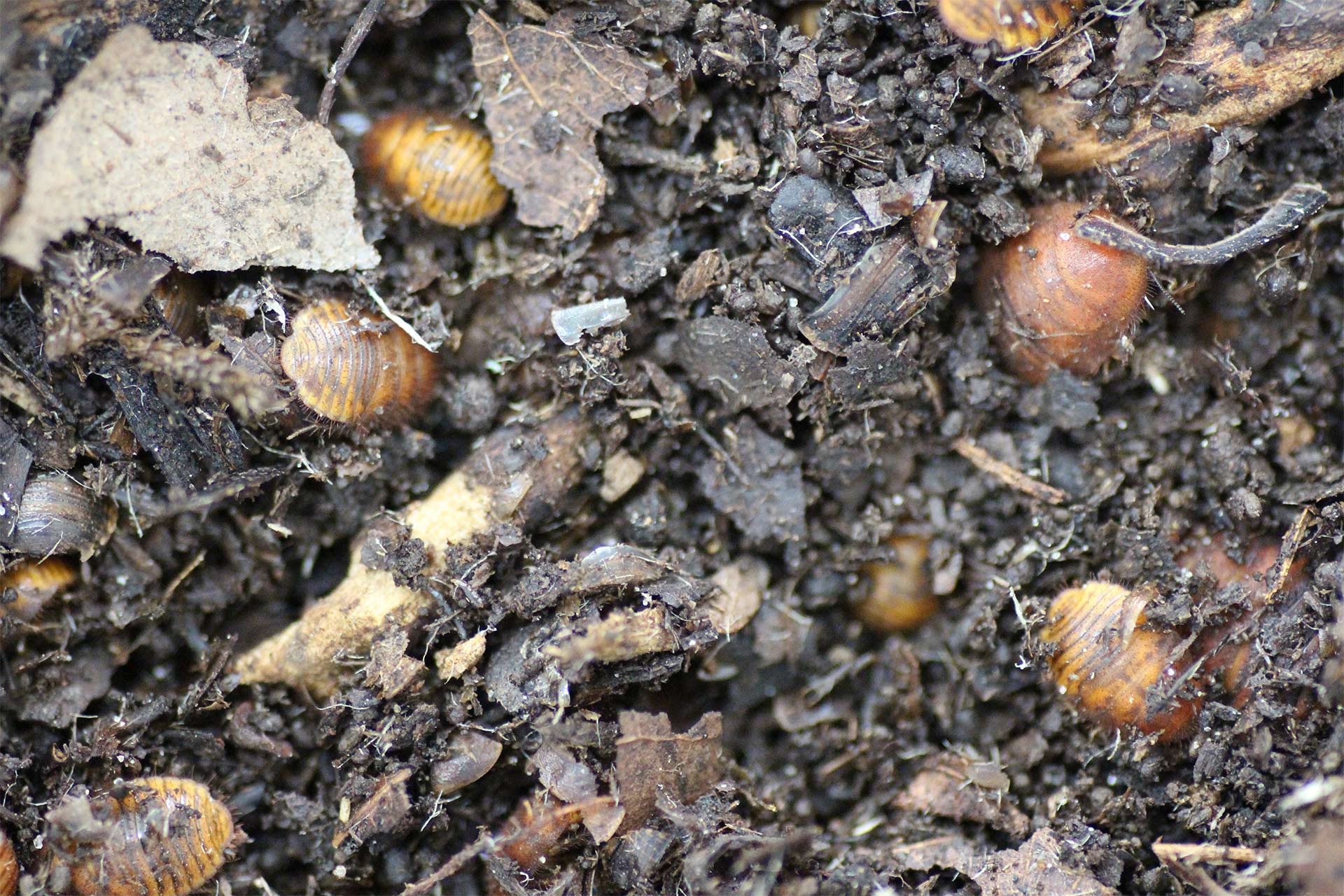
After our test, we switched all breeding boxes where we needed a higher rate of offspring to the substrate with flake soil and foliage. It is also worth mentioning that our foliage was also pre-fermented before feeding.
Downsides and side effects of flake soil
Due to the fact that flake soil is a very loose substrate, it also dries out more quickly. You should therefore make sure that it does not dry out, especially at the beginning. Over time, however, you will find the right rhythm and the perfect amount of water.
Flake soil works wonders when breeding animals, but this also has the disadvantage that invaders such as mites or fungus flies thrive in the substrate. For this reason in particular, you should be careful not to use untreated material from nature in your terrariums or breeding boxes. Otherwise your pets will soon no longer be on their own.
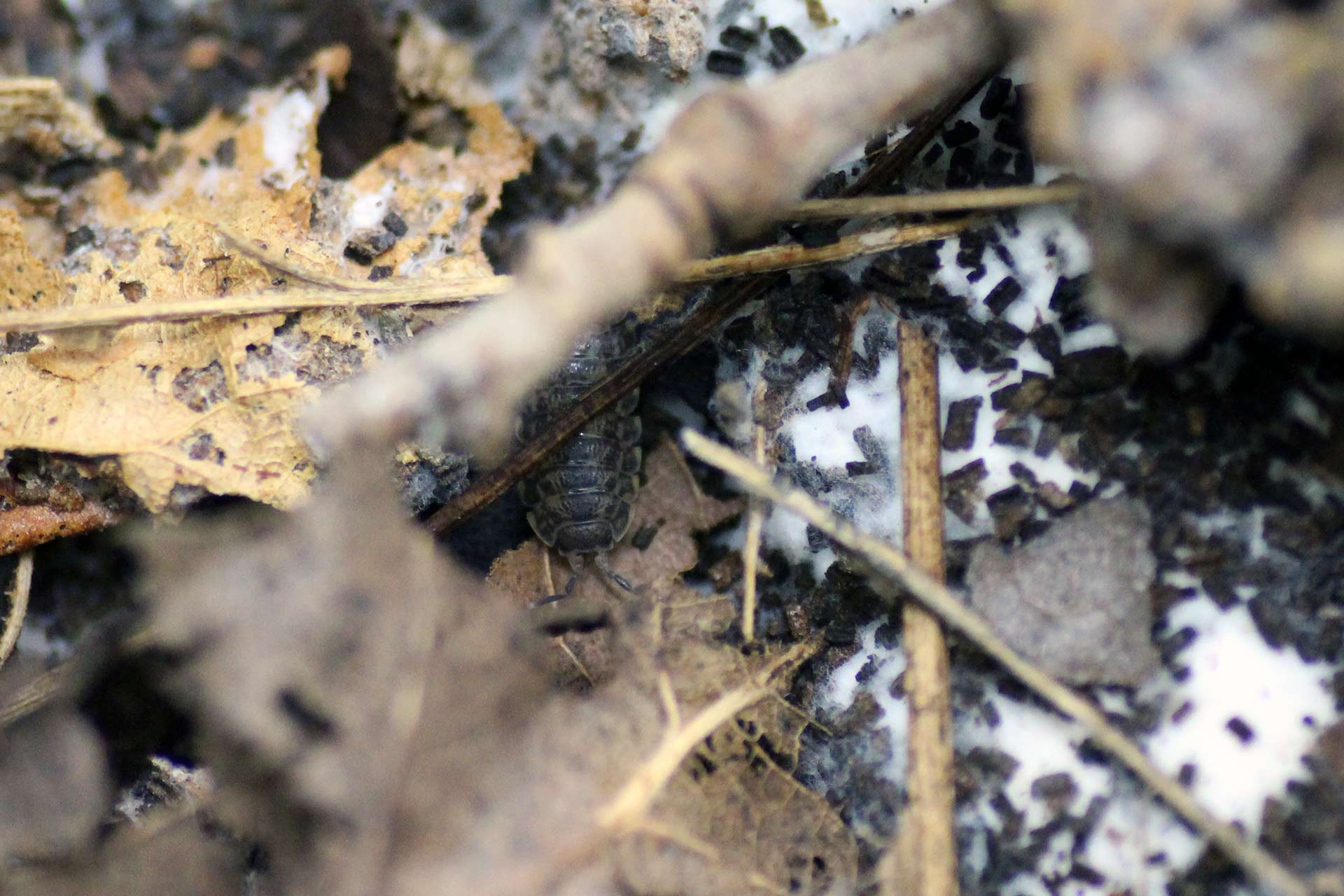
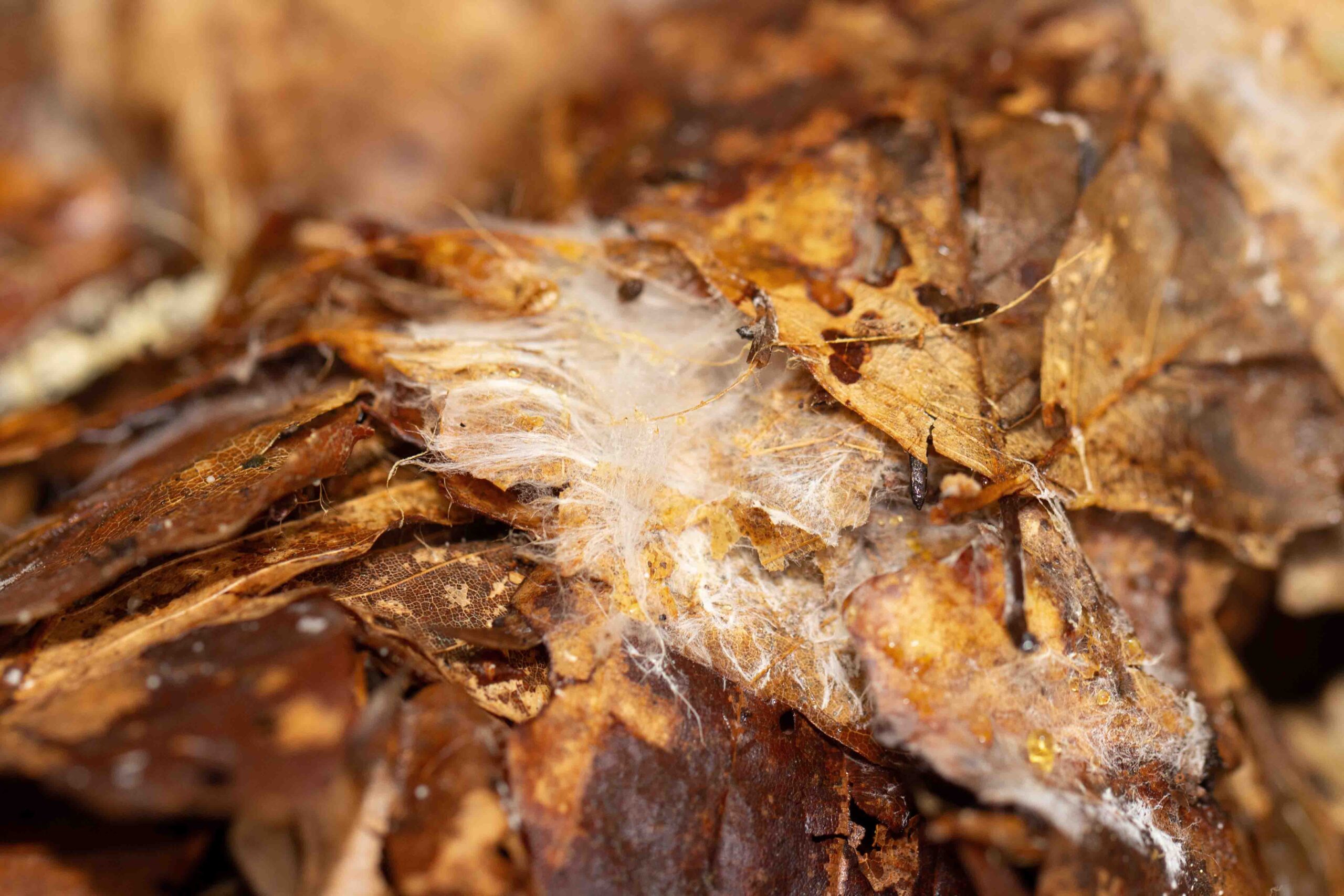
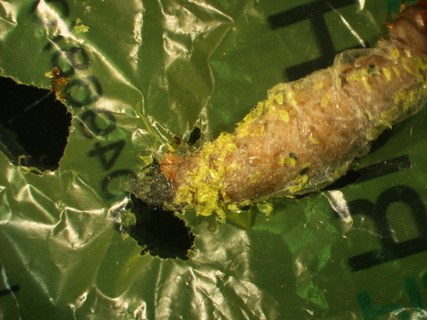
Sometimes the flake soil reacts with the foliage and a mycelium develops on the substrate. This is not mold, but filamentous cells of a fungus. You should not panic, but rather be happy. The animals eat the mycelium and thrive magnificently. There is also no heat build-up in the substrate.
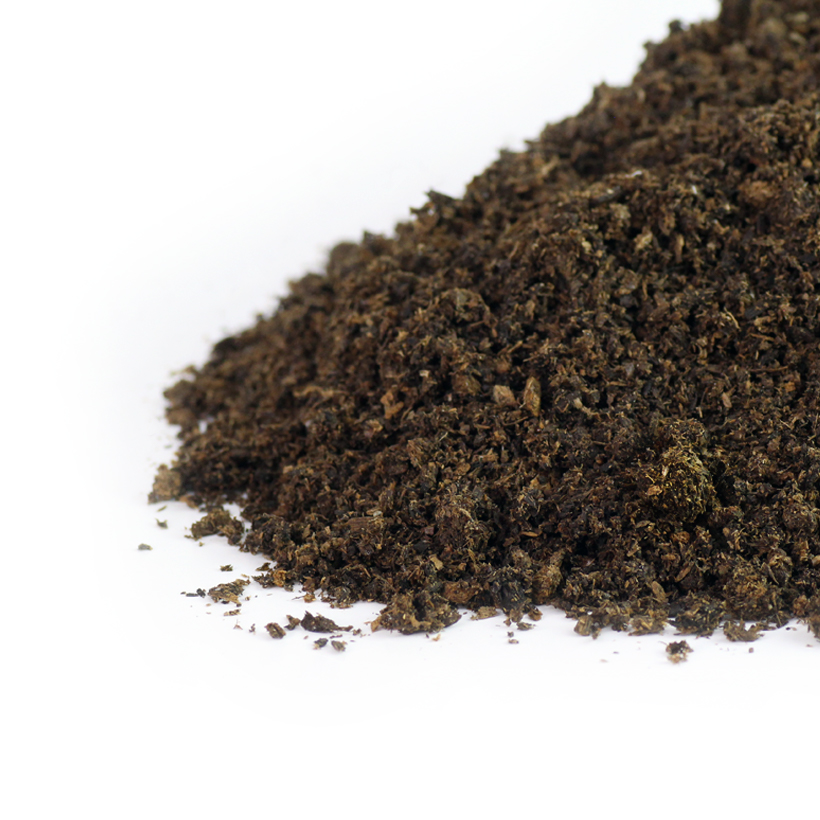
Even though Flake Soil is a rather unconventional alternative to our natural, white rotten wood, we have been able to breed healthy and strong animals with great pleasure. We will therefore continue to use flake soil for our breeding in the future. However, it should be mentioned that heat can develop in self-mixed flake soil if it has not been properly deposited and the fermentation process is not yet complete. We have generally never noticed any heat development in the substrate, as we always use well-seasoned flake soil. However, if the flake soil is not fully fermented, there is a risk that it will continue to ferment in the terrarium and heat up to 60 °C may develop. For this reason, please pay attention to the color of the flake soil. As long as it looks dark and earthy, you can assume that you have nothing to worry about!
Leave a Reply
You must be logged in to post a comment.