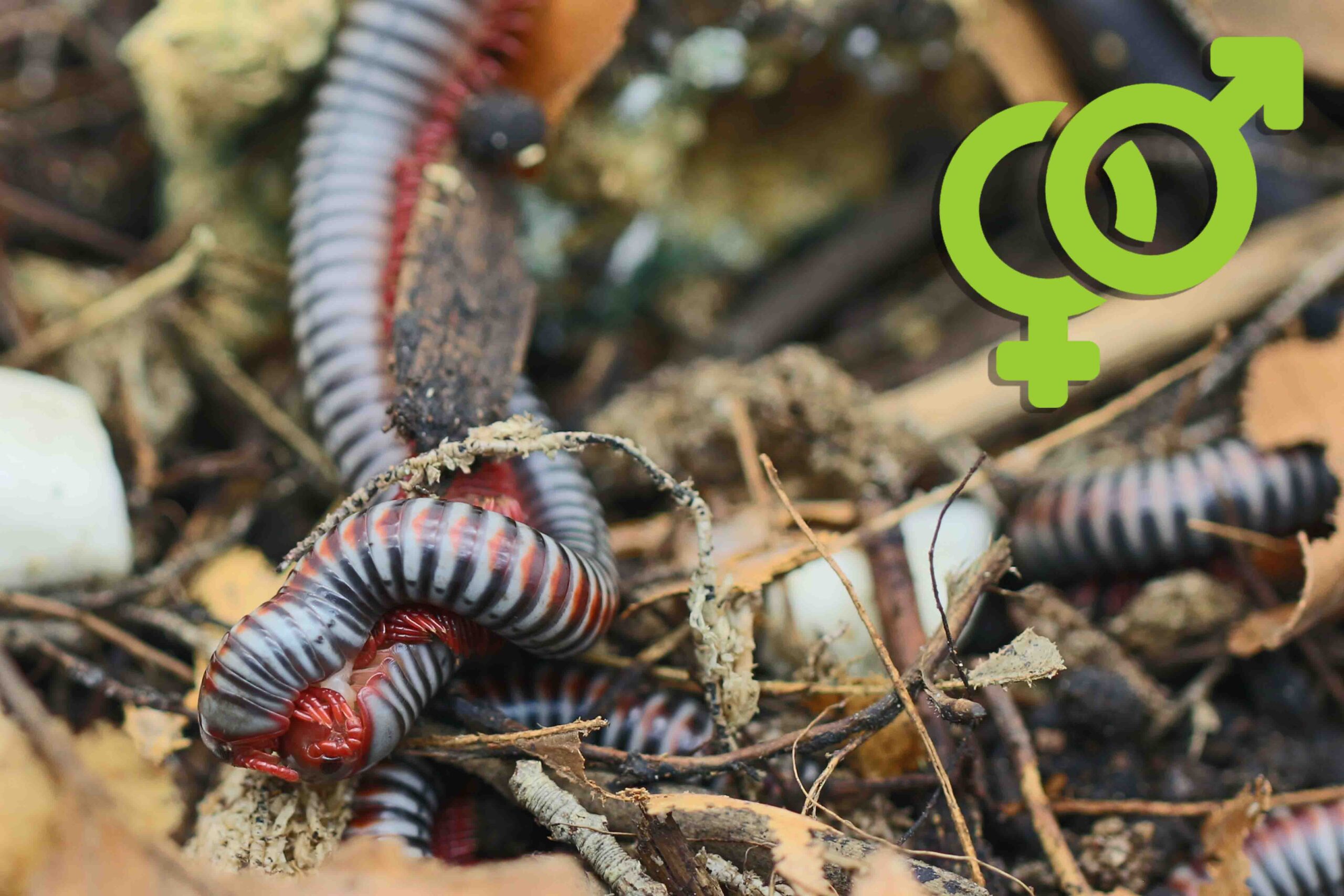


Sexing millipedes can sometimes be a puzzle for beginners as well as advanced keepers. But don’t worry, we’ll guide you through the basic aspects of this topic and illustrate with photos that it’s not rocket science.
Millipedes are wonderful animals with an impressive variety of species, and sexing them can sometimes be an exciting challenge. However, it is important to know which sexes you actually have in order for breeding to work.
Notes from the leg pairs
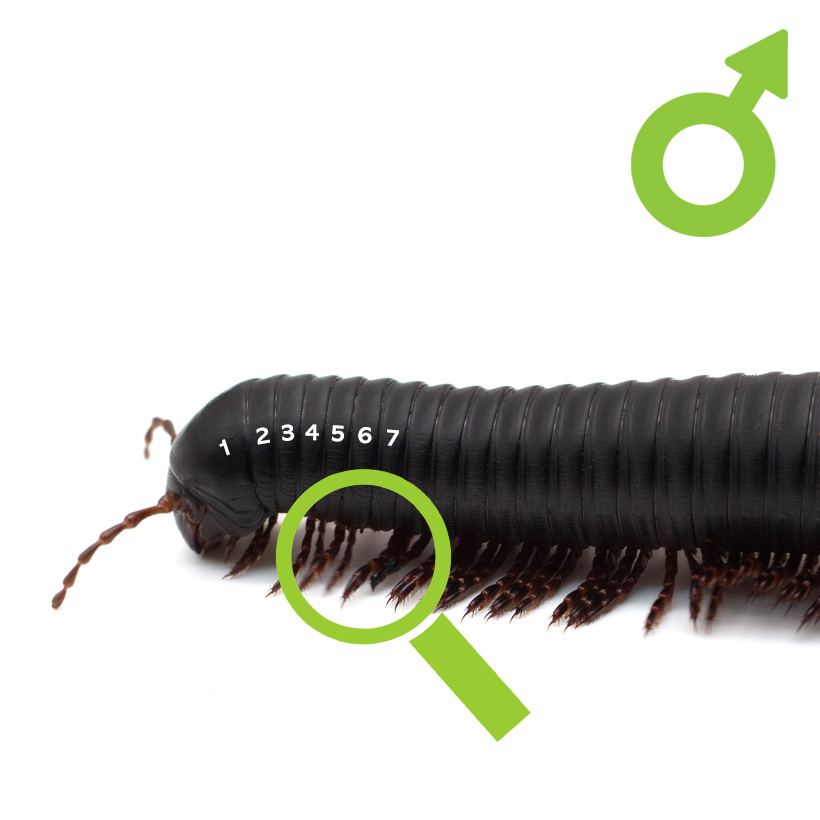
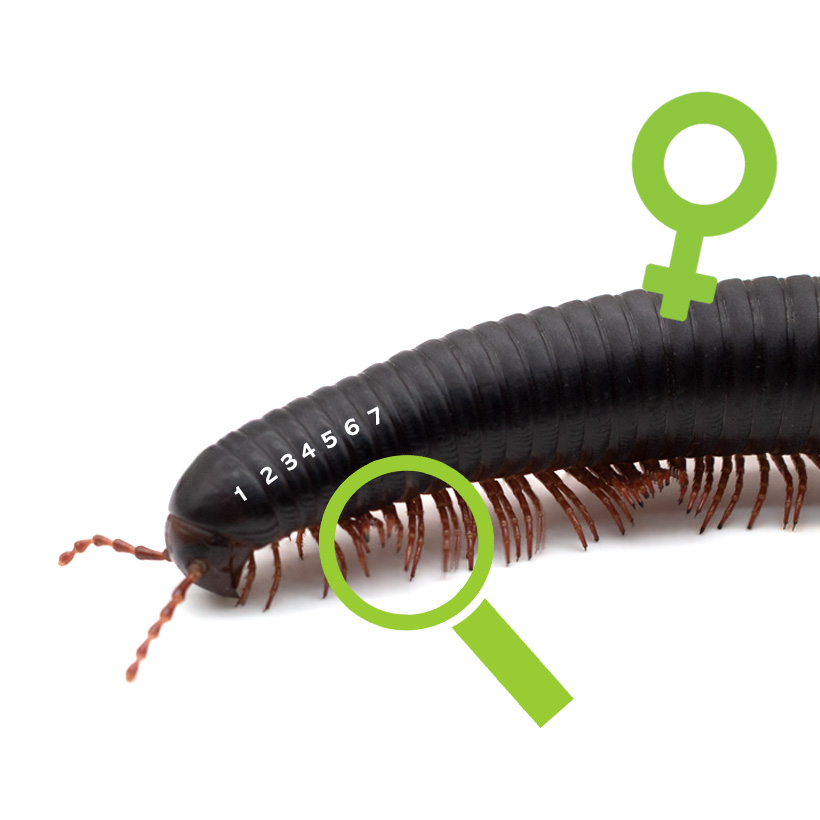
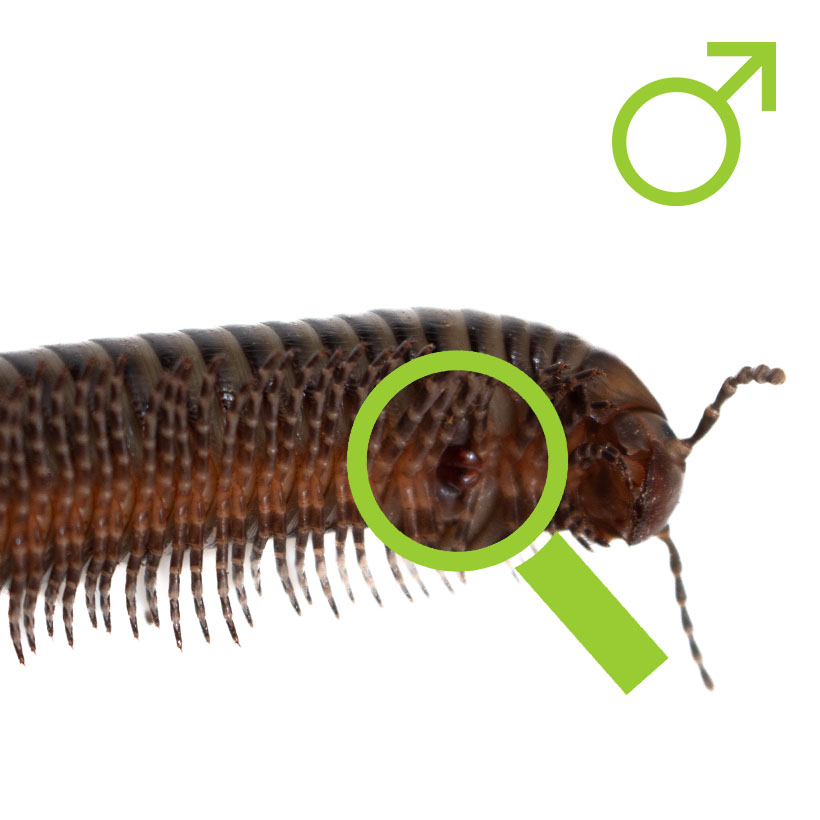
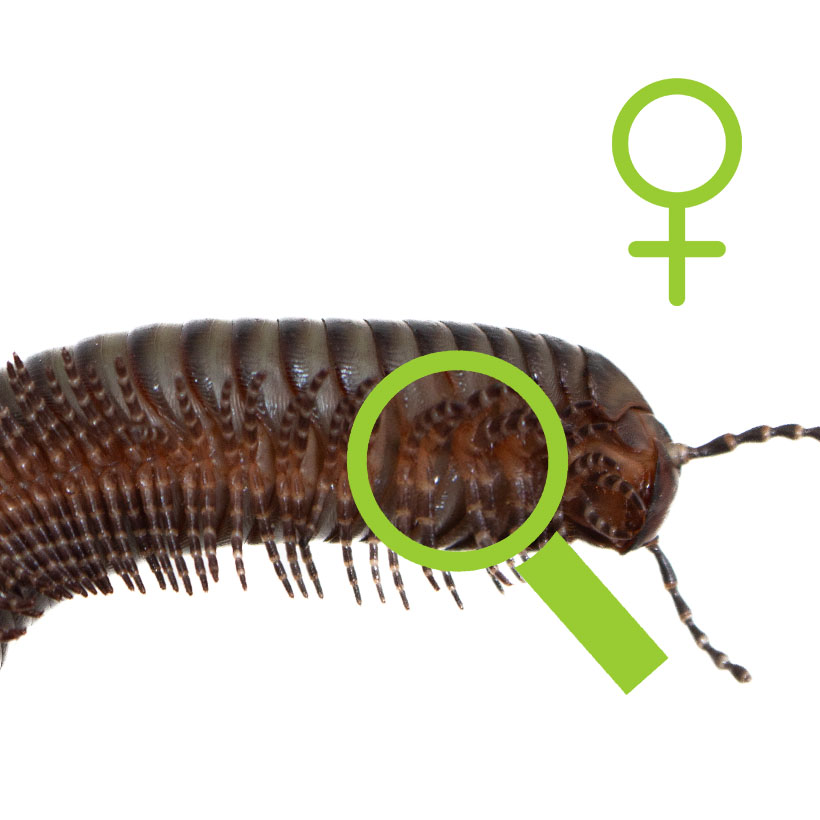
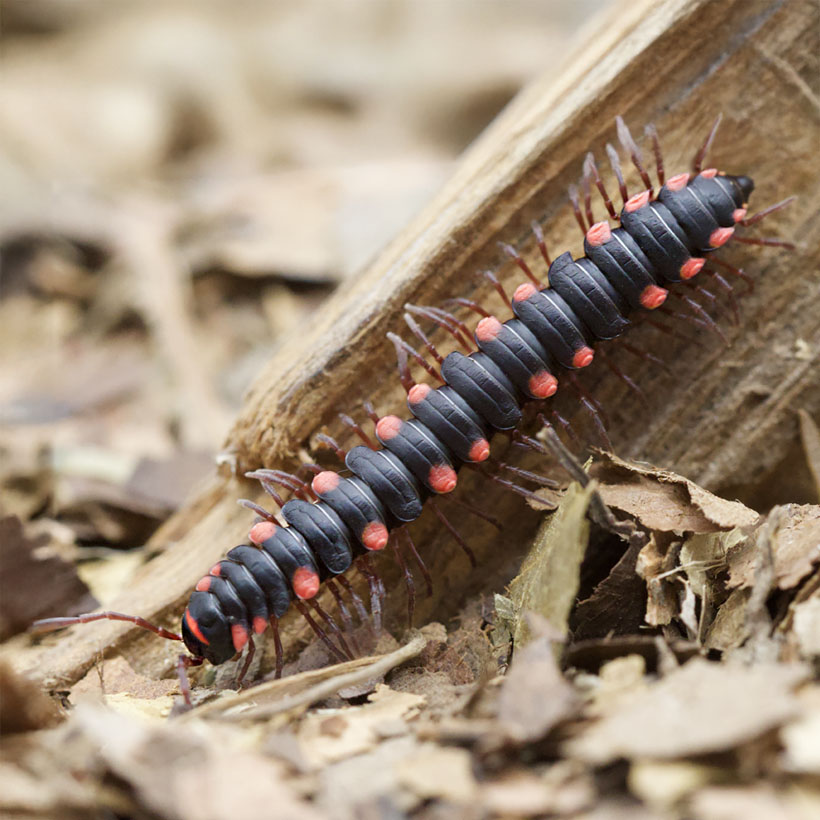
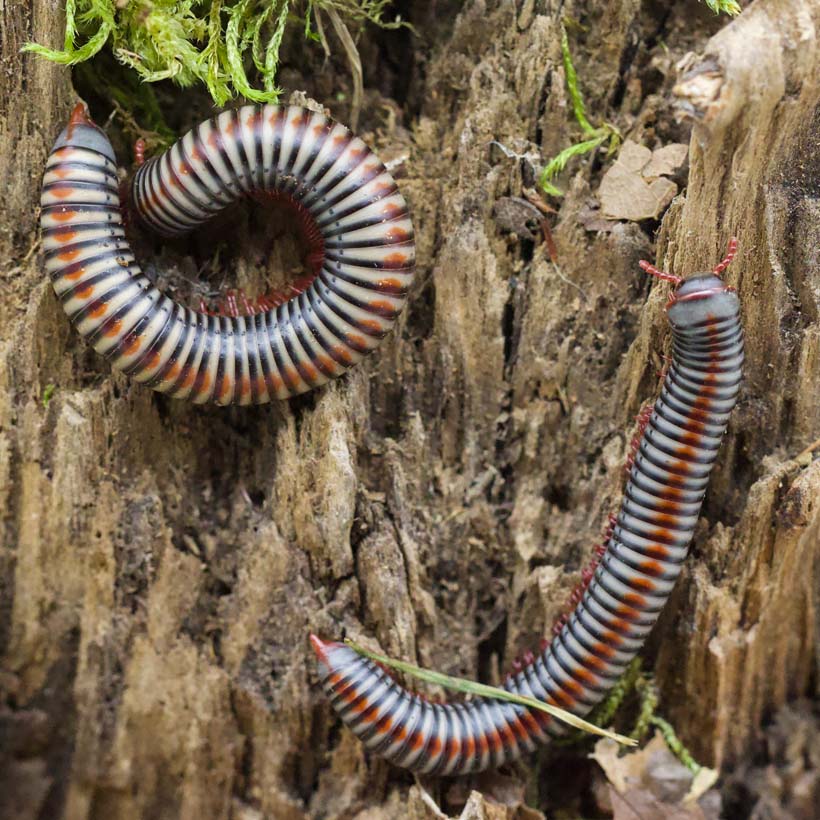
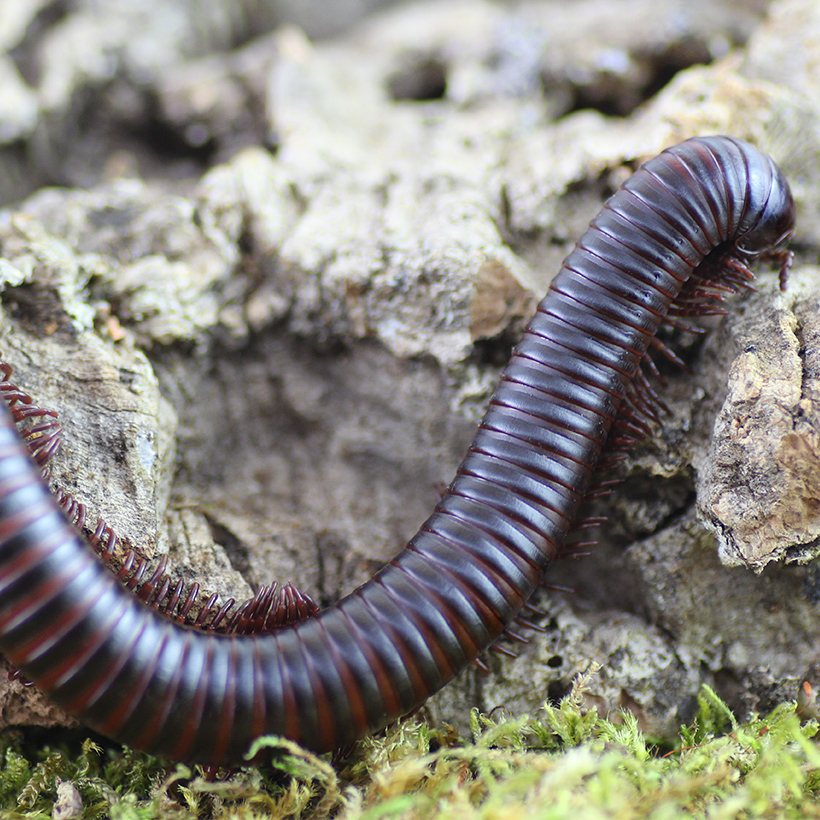
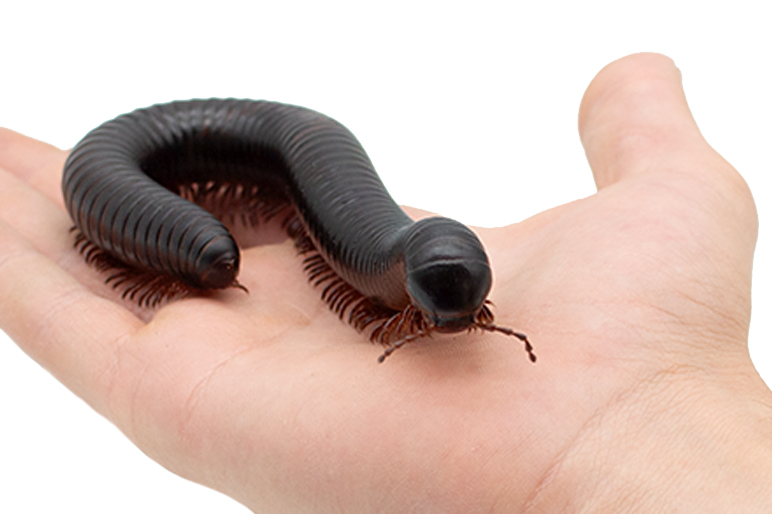
If you keep millipedes of the Spirobolida group in your terrarium and want to determine the sex of your animals, there is a simple characteristic that can help you do this. The male representatives of this species lack the pairs of legs in the seventh body segment. This is an easily recognizable, visual distinguishing feature.
To check this, you will need good lighting and some patience, as millipedes are often sensitive to disturbance and may curl up. Try to handle your animal carefully or watch it as it moves freely around the terrarium. Count the segments starting from the head – the seventh segment is the key. If you find no legs on this segment, you are looking at a male specimen. This method is not only helpful to determine the sex of your animals, but also interesting to learn more about the biodiversity and anatomy of your pets.
The secret of the seventh segment
Our journey of discovery into the world of male millipedes reveals impressive anatomical adaptations that are specifically geared towards reproduction. One particularly striking adaptation is found in the seventh segment, where the two pairs of legs have been transformed into gonopods. These specialized structures are used exclusively for mating.
This anatomical adaptation illustrates the sophisticated evolutionary processes that have taken place in these species over time. It shows how specially developed features enable millipedes to optimize their reproductive strategies.
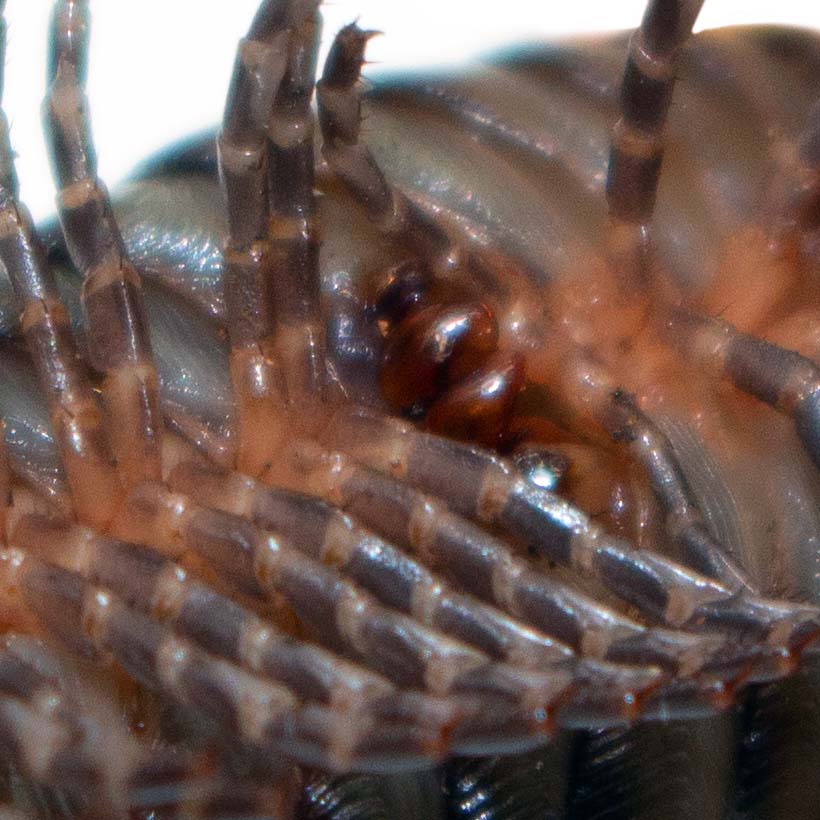
These evolutionary developments ensure that reproduction is not only efficient but also particularly effective by ensuring the transfer of genetic material under the best possible conditions. Such adaptations are the result of millions of years of evolution and reflect nature’s ability to adapt to complex environmental conditions.
There is still much to be researched and understood about the biological processes and ecological relationships that determine the lives of these fascinating animals.
The actual sexual organs
The coxal bladder is an organ equipped with special muscles that enable the millipede to protrude the organ at the time of mating and then retract it again.
The central role of the coxal bladder in the reproductive process is that it extends the millipede’s penis during mating, which is a crucial prerequisite for the successful transfer of sperm. These special anatomical adaptations optimize the reproductive capacity of male millipedes by ensuring efficient and targeted sperm delivery.
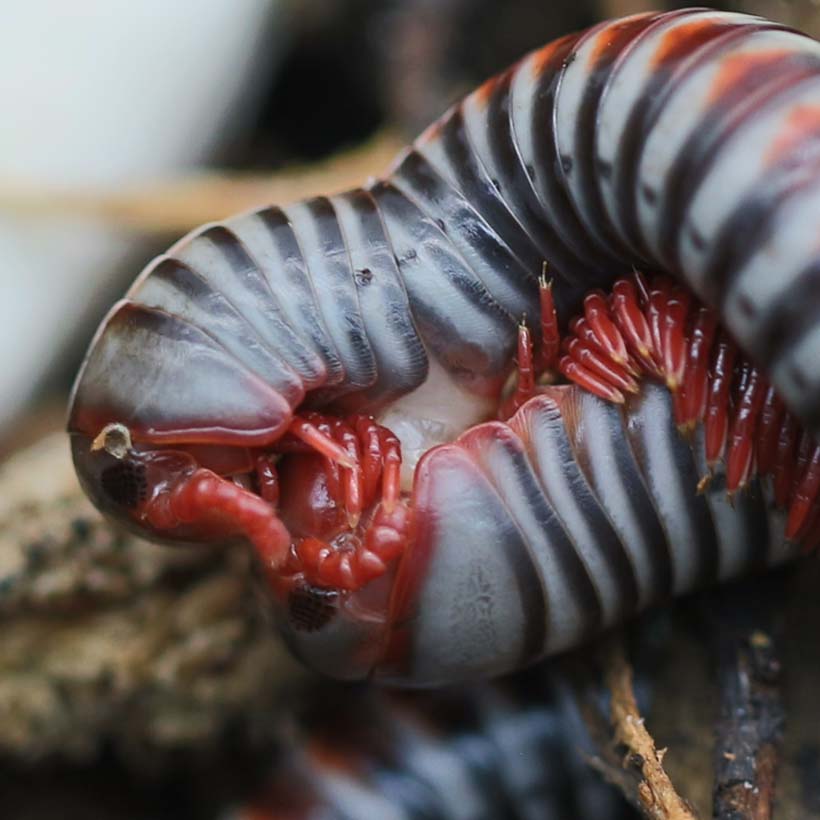
There is also a counterpart for the females, but it manifests itself in a different way. The sexual organs of females, also known as vulvae, are also located in the seventh body segment. Although these structures are not as conspicuous as the coxal bladder in males, they play an equally important role in the reproductive process of millipedes.
We hope that this article has helped you to better understand the interesting topic of millipede sexing. This knowledge is particularly useful if you keep millipedes at home and want to learn more about their care and possible breeding.
Being able to identify the sex of your millipedes based on certain physical characteristics can enrich your experience as a keeper of these fascinating animals. By understanding these details, you can better approach the breeding of your millipedes.
I therefore hope that the information in this article has not only broadened your knowledge, but also deepened your interest in the careful observation and care of these extraordinary pets.
If you have any further questions, please leave them in the comments below the article.
Leave a Reply
You must be logged in to post a comment.