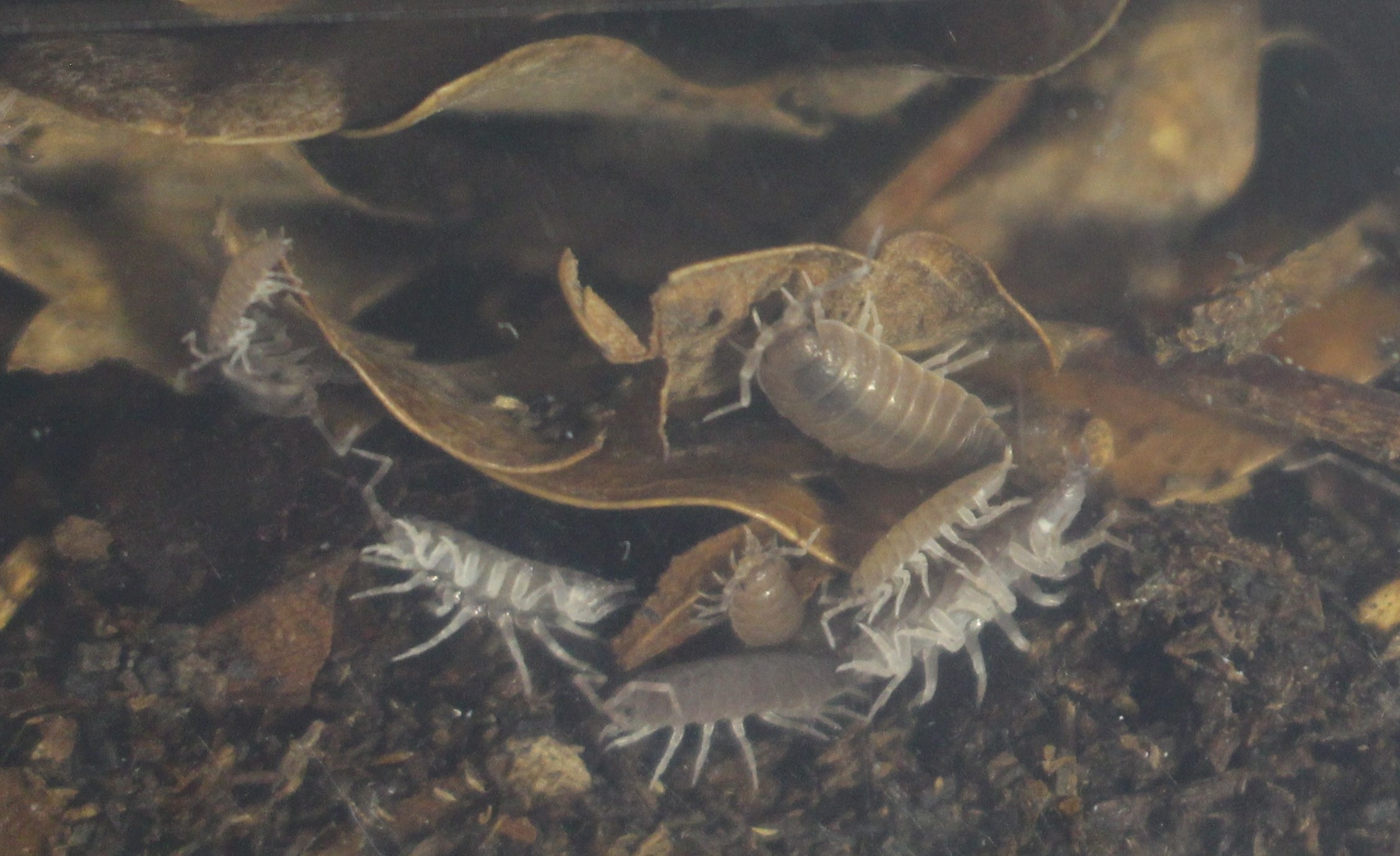


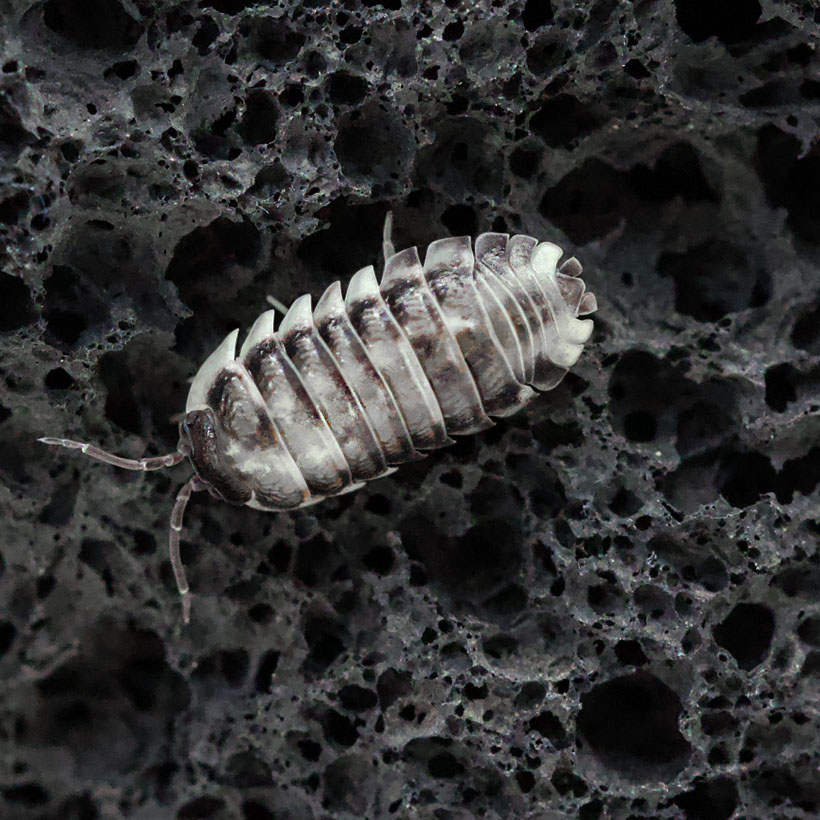
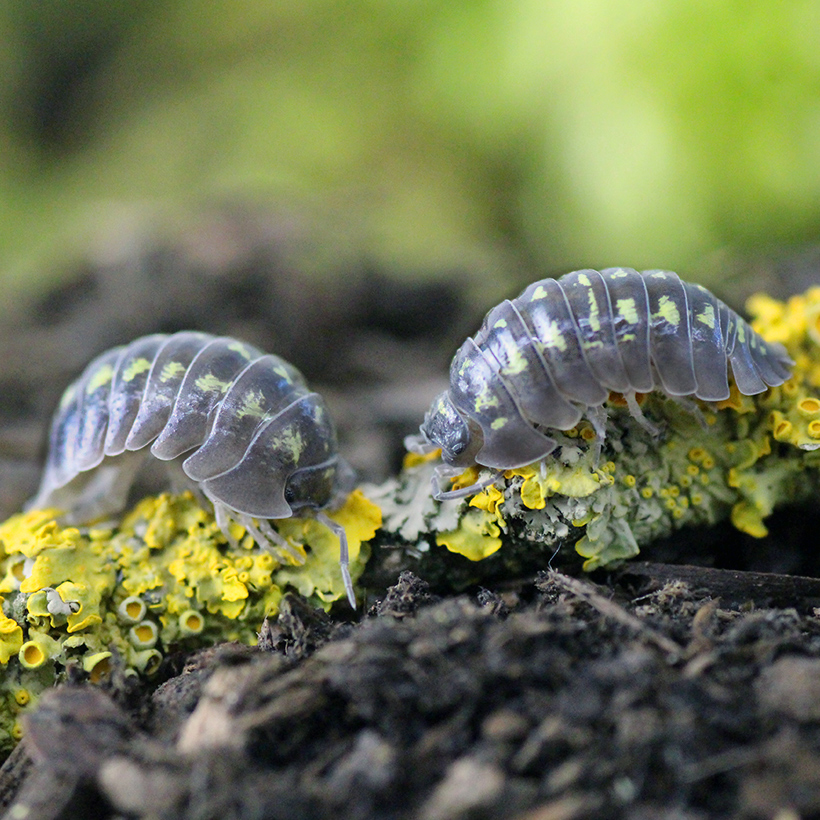
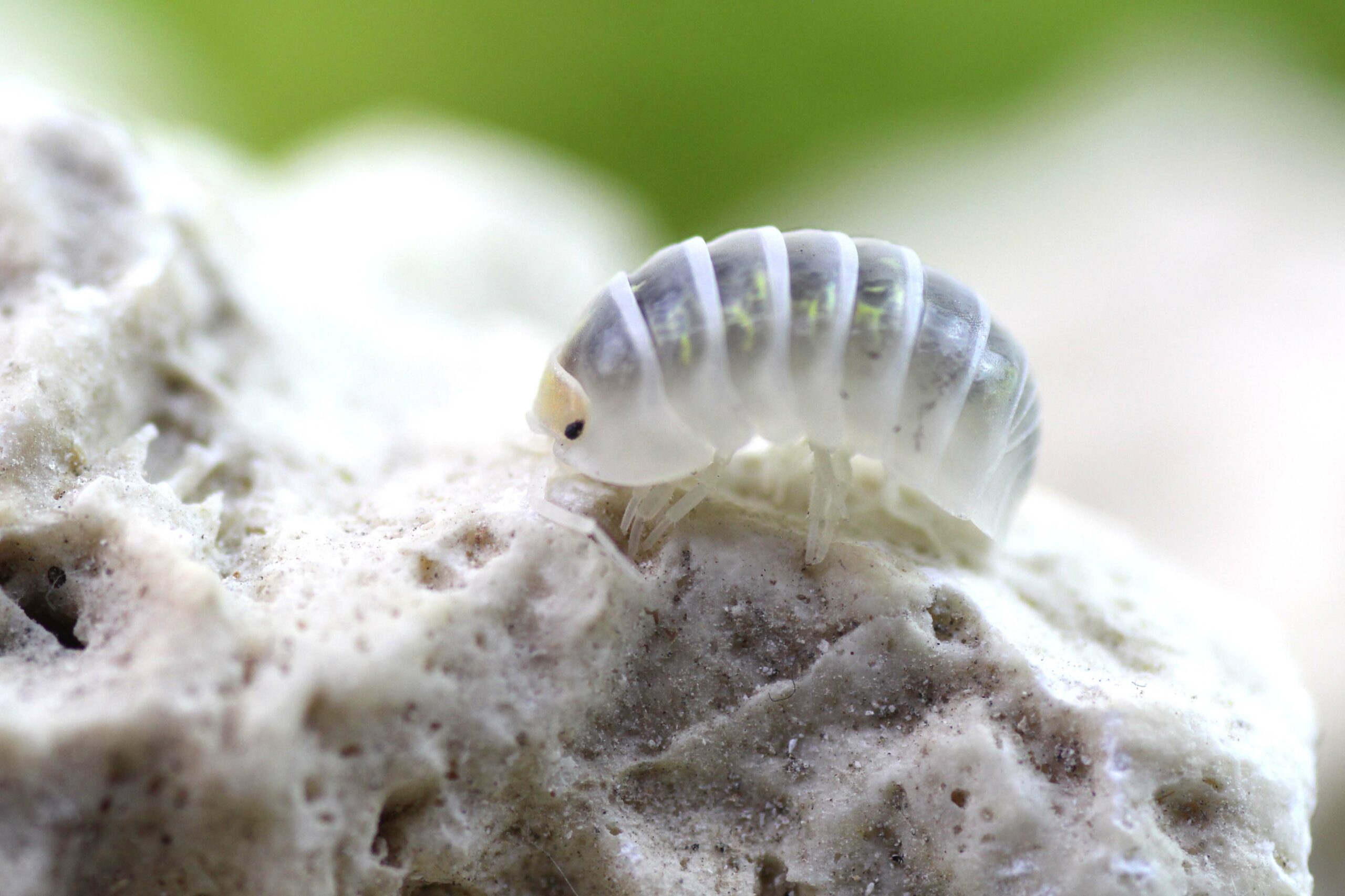
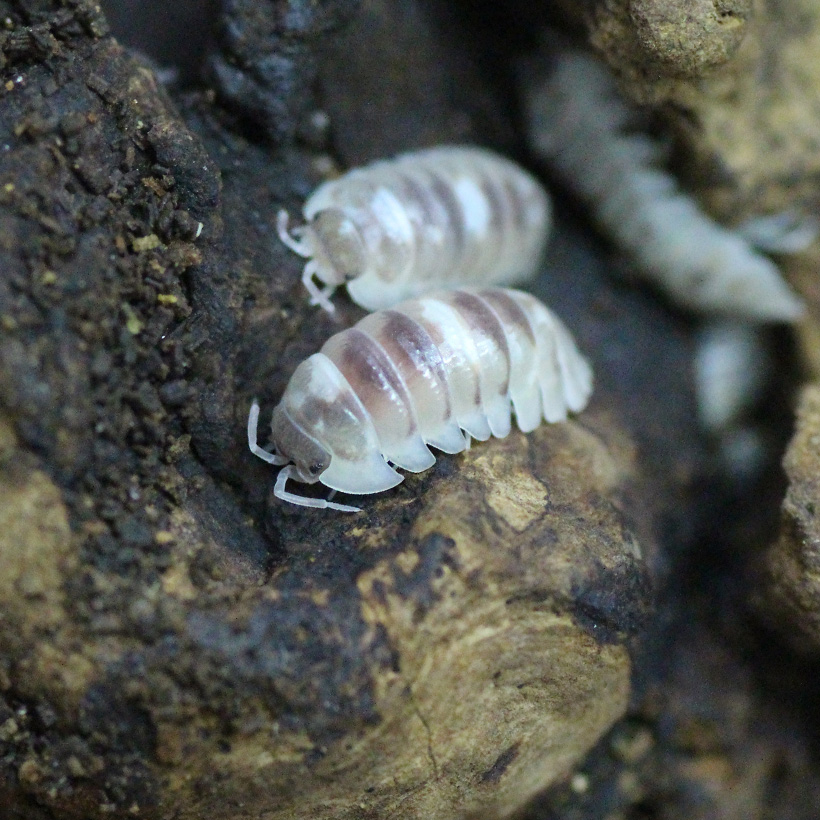
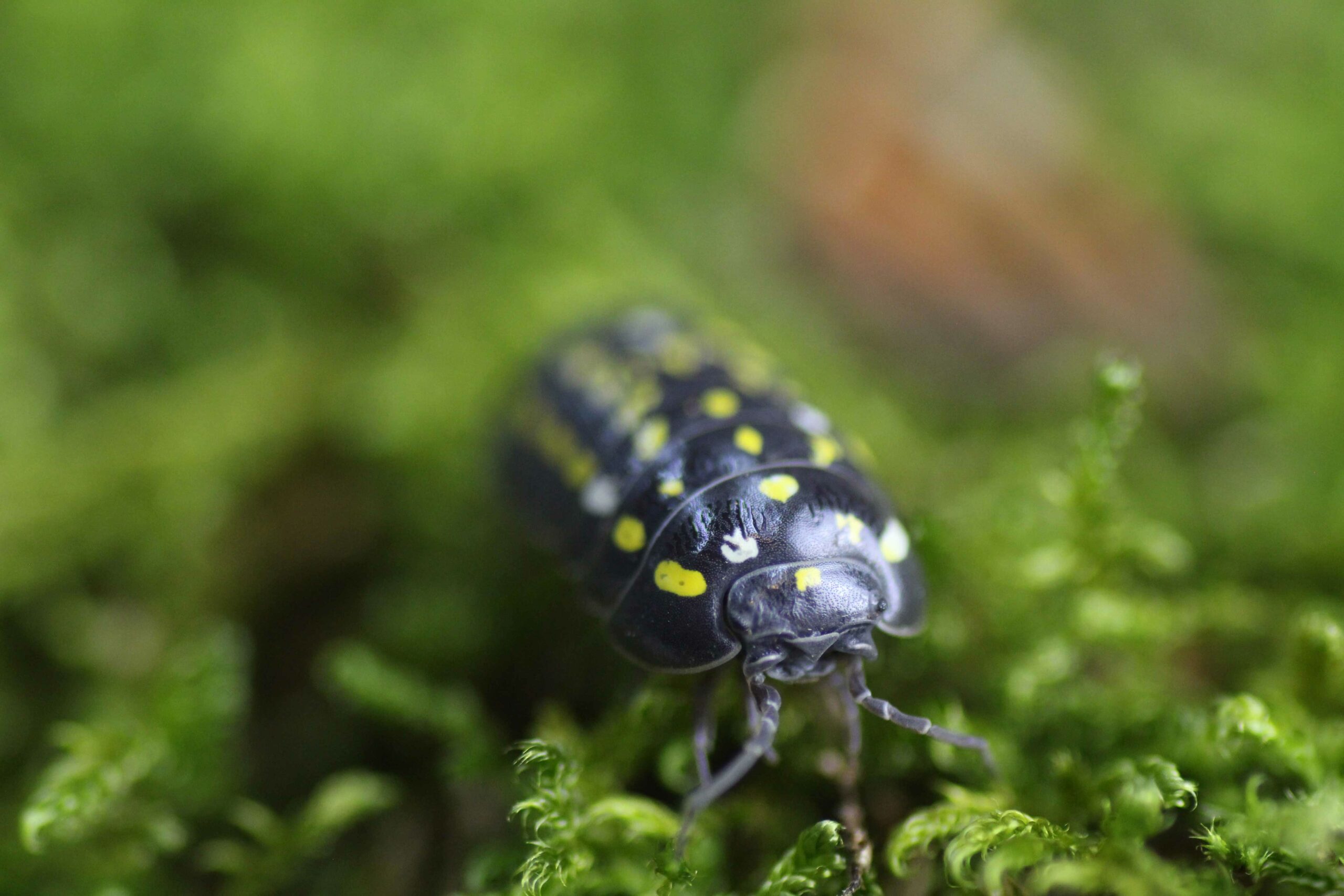
You can find very little or nothing at all online about my new acquisition from the bird spider exchange in Marbach. That’s what made it so special for me. For this reason, I proceeded according to the Isopod scheme. You should ask yourself what Isopods actually are.
They belong to the higher crustaceans, in fact they are the most advanced crustaceans in the world! They are the only ones that do not have to go into the water to lay their eggs, but can do everything on land.
Most Isopods are herbivores and are not really picky. They are therefore among the first decomposers. Basically, you can’t go wrong with oak leaves and rotten wood. Before I take things from the wild and put them in a terrarium, I do the following:
- Wash thoroughly
- 30 seconds in the microwave
- or bake in the oven at 100 degrees for 10 minutes
This eliminates all unwanted guests. Predators, such as spiders or mites, are no fun in a breeding batch. That’s why I always follow these steps to prevent problems later on.
As I also bought BraPlast boxes at the fair, I will set up my Porcellionides pruinosus- Cuban Isopods in them. As you can’t keep animals in plastic boxes, as they also like to breathe, you have to work on the boxes a bit.
To do this, I simply cut out a large piece of plastic from the lid and replace it with wire gauze. I simply glue the gauze with hot glue and you have a well-ventilated isopod terrarium.
It is amazing how well they accept the oak leaves. Within a day they have eaten the leaves down to the skeleton.
However, you should also offer them some protein. This can be added in the form of fish food, cat food or chick starter. To do this, finely grind the food and add small amounts, working your way up slowly. As soon as mold starts to form, reduce the dosage again. Don’t worry, a little mold does not harm the Isopods, on the contrary, they eat it, but this should not be a permanent condition in the Isopod terrarium.
I keep them in my hobby room at room temperatures of around 24-26 degrees and spray a shot of water into the terrarium with my spray bottle in the evening.
Now it’s time to observe and pay attention to every little change and take countermeasures if necessary. I’ll keep you up to date.
If you are interested in some beautiful offspring, then have a look in my store. I regularly offer you a great selection of species and animals there. Have fun shopping!
If you need more information about Porcellionides pruinosus- Cuban Isopods, then have a look at the husbandry report. Have fun reading!
On my YouTube channel, I go into great detail on the topic of substrate in the Isopod husbandry video and show you in detail which substrate layer to use from the forest and how best to treat it.
Leave a Reply
You must be logged in to post a comment.