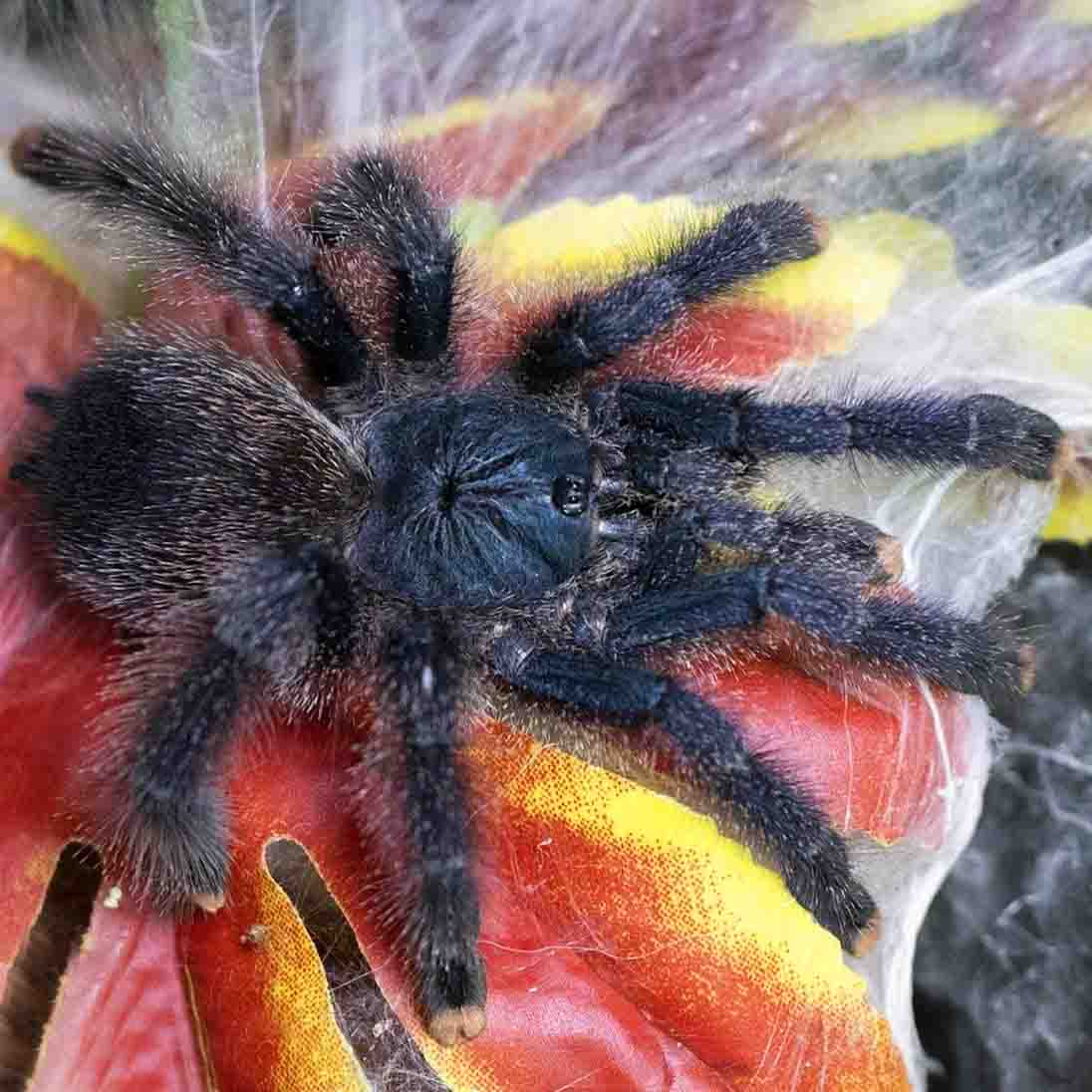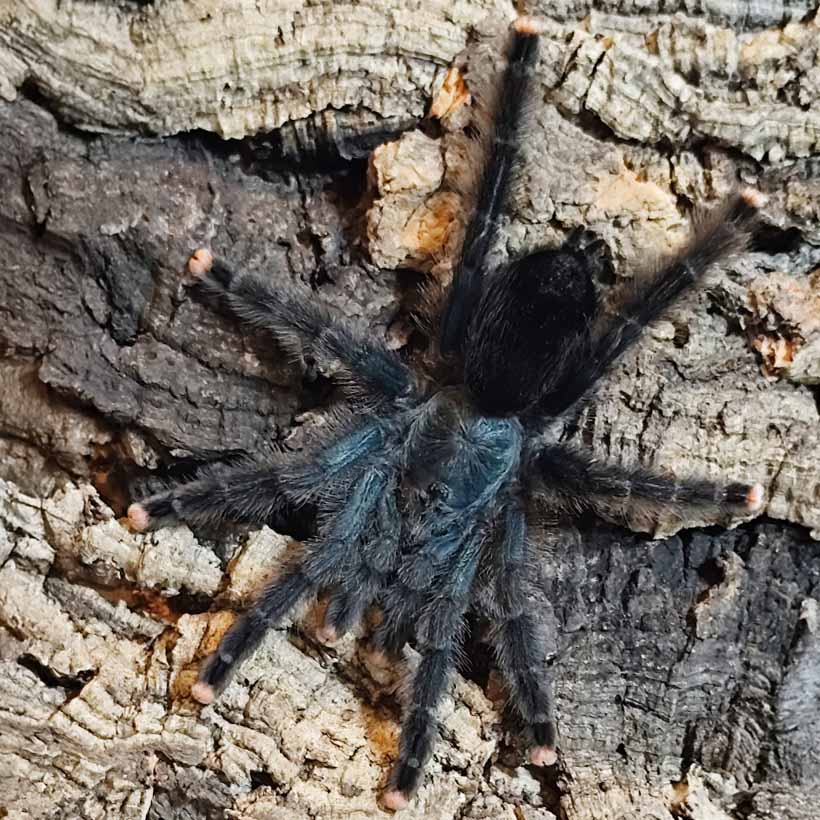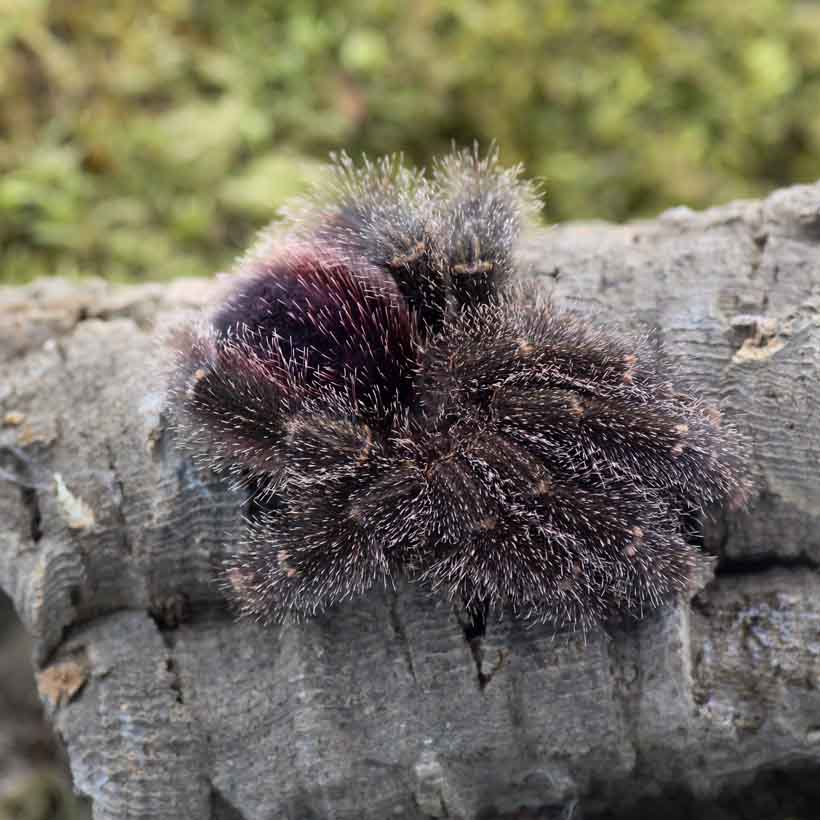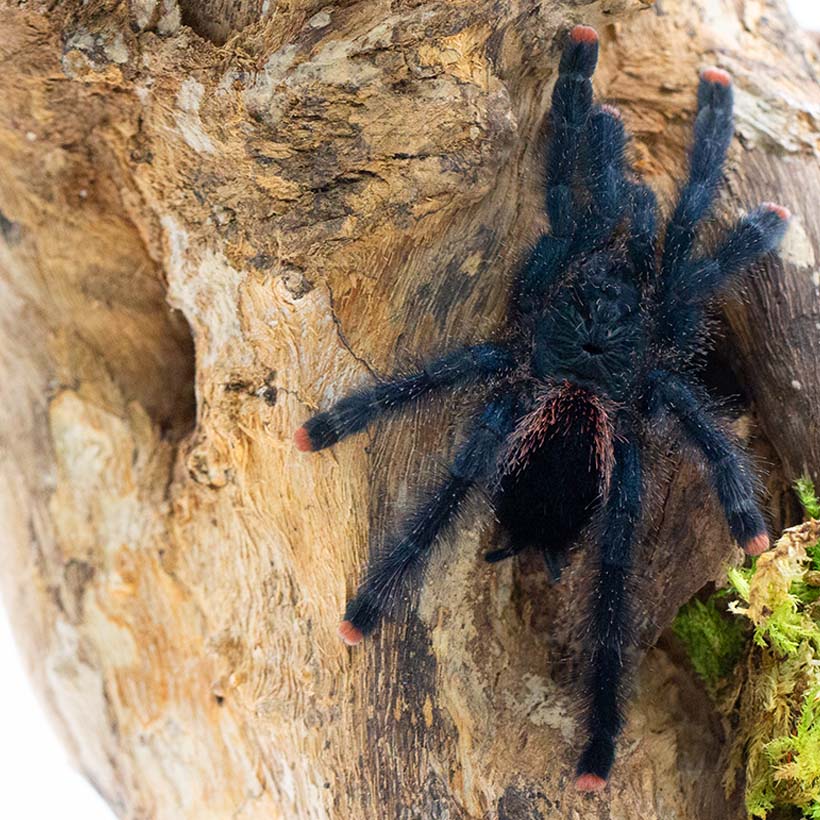
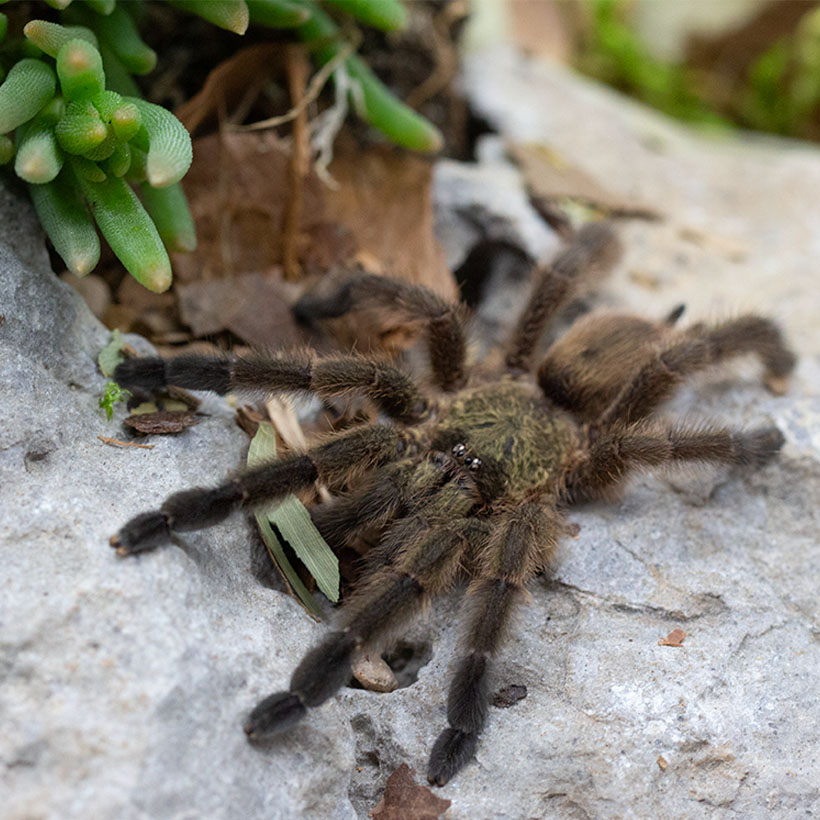
Tapinauchenius rasti
Price range: 24,00 € through 35,00 € incl. VAT, plus shipping

Medium

Union Island

< 60 mm

24°C – 28°C
Tapinauchenius rasti – A Colorful Tree-Dweller of the Caribbean
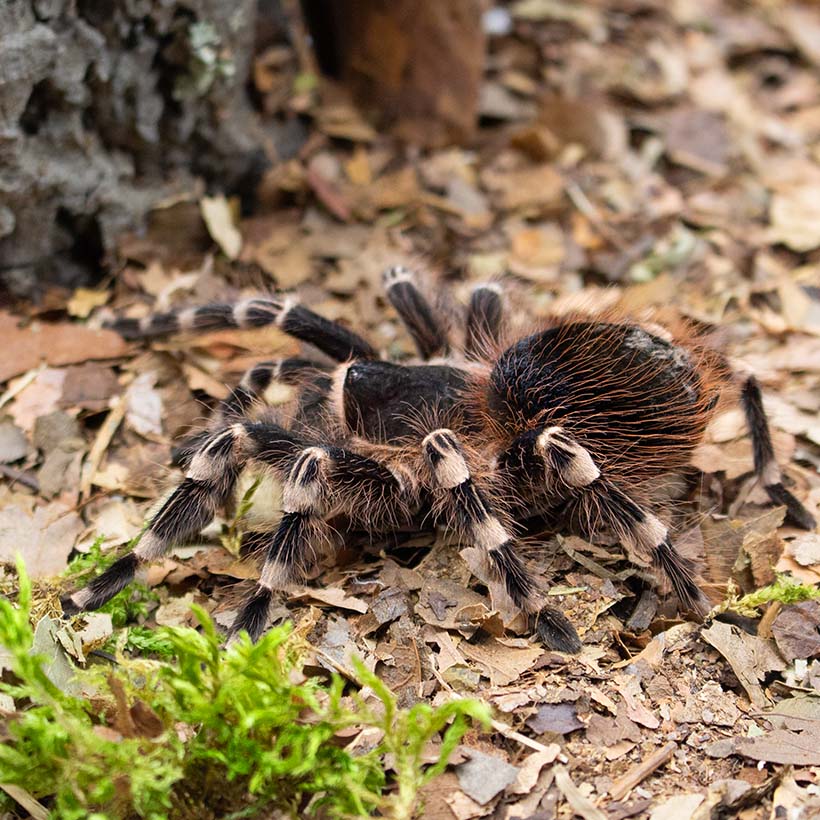
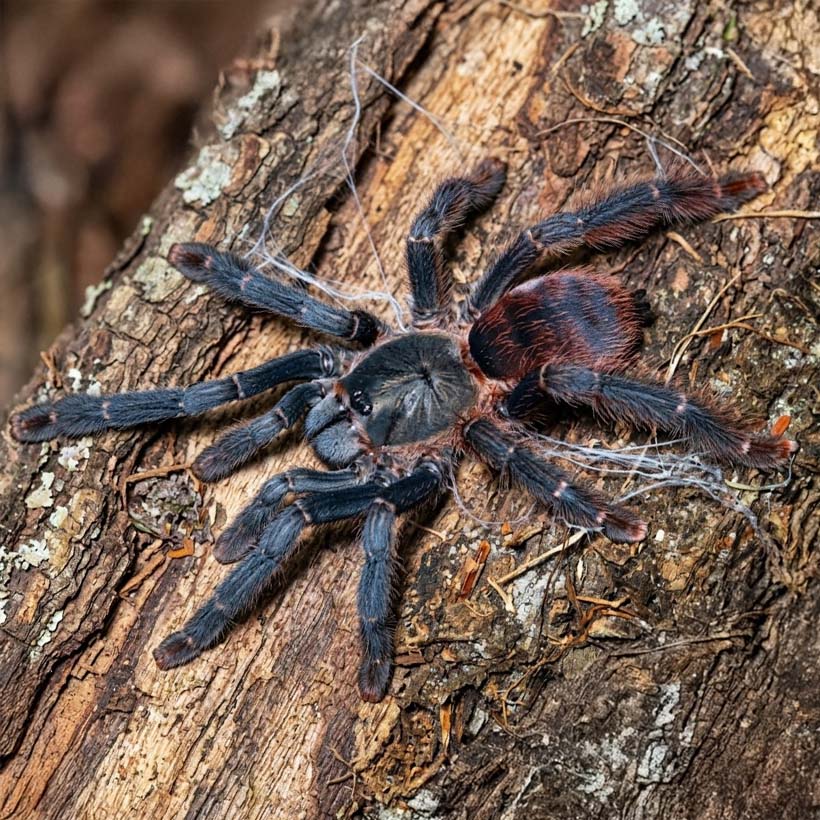
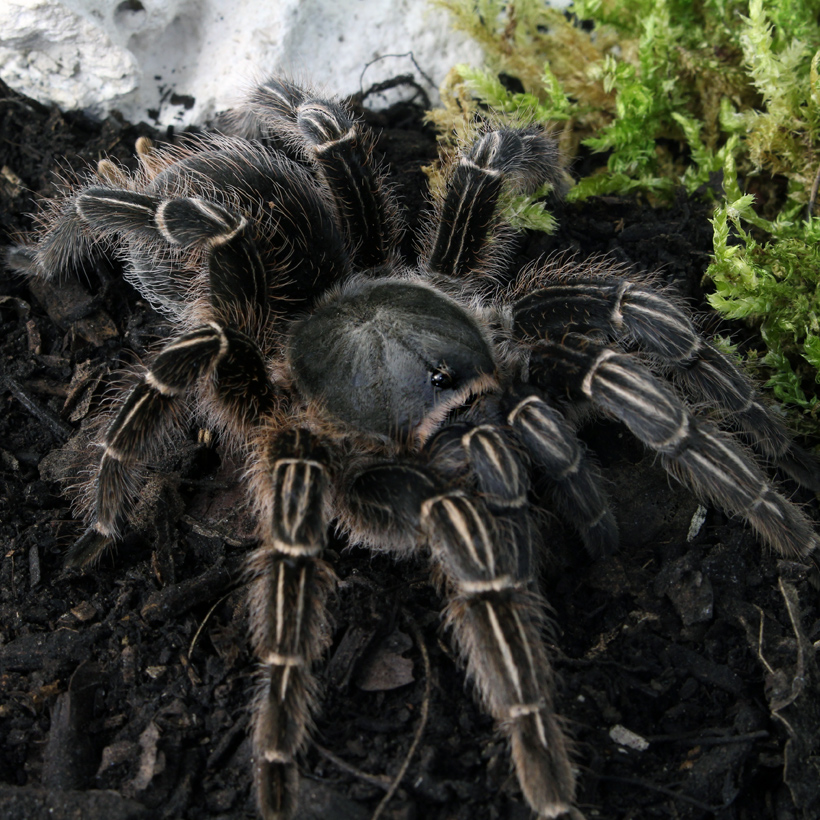
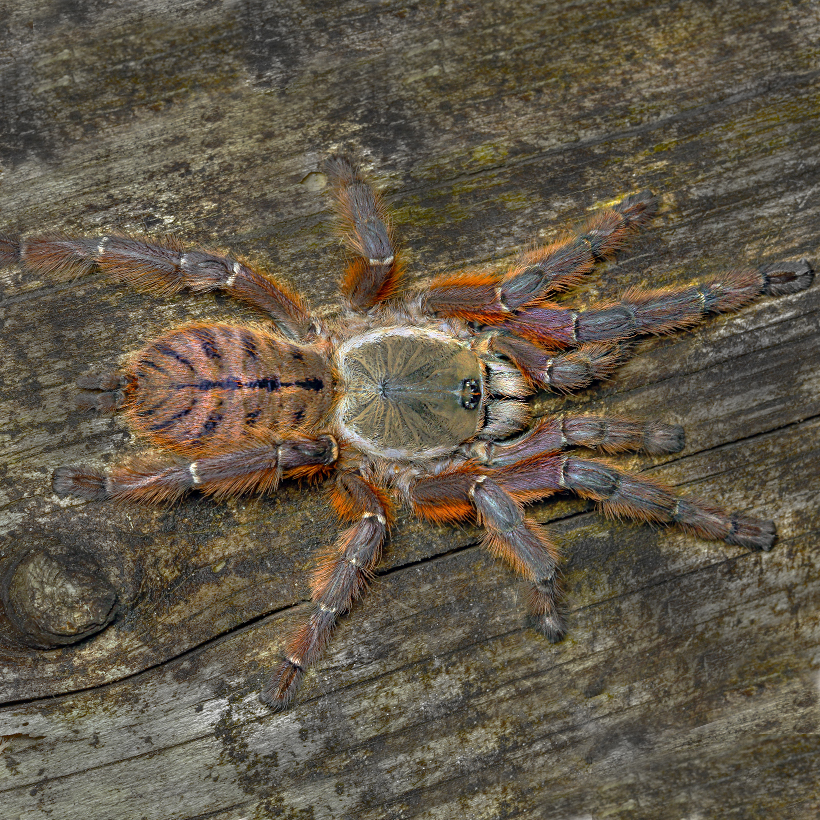
Tapinauchenius rasti It is one of the most beautiful tree-dwelling tarantulas in existence. Its vivid coloring, slender body shape, and active behavior, in particular, make it a real eye-catcher. At the same time, it impresses with its distinctive web-building skills as it moves elegantly among branches and plants. This consistently leads to fascinating observations, making this species particularly interesting for many keepers.
In its natural habitat, Tapinauchenius rasti lives in the tropical forests of the Caribbean. There, it uses tree hollows, loose bark, or narrow crevices as safe hiding places. It also weaves dense webs, creating stable living spaces. This is precisely why it feels particularly at home in a well-set-up elevated terrarium.
A typical tree-dweller
Tapinauchenius rasti spends almost its entire life above the ground. For this reason, it prefers elevated spots among branches, cork tubes, and plants. During the day, it often remains hidden in its web, while it becomes much more active in the evening.
She also regularly expands her webs, weaving together cork, plants, and branches. This creates safe living tubes while also providing ideal vantage points for hunting.
It is precisely this natural behavior that makes the species particularly fascinating.
The Ideal Terrarium
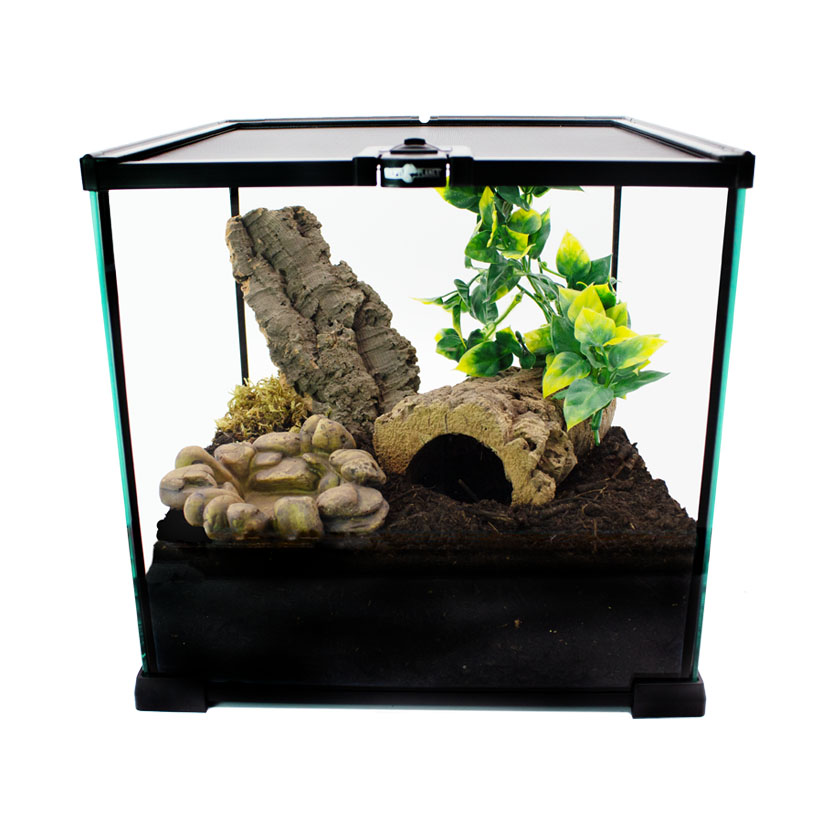
For an adult animal, a terrarium with a minimum size of 30 × 30 × 45 cm. Since Tapinauchenius rasti spends most of its time climbing, height is much more important than a large floor area. At the same time, numerous climbing structures ensure that the spider can exhibit its natural behavior.
Recommended for the installation:
- Vertical Cork Tubes
- Repto Tree Vines
- Spiderwood
- Terrarium plants
- Cork Sheets
- Terrarium Moss
This creates many climbing routes and safe hiding places. In addition, the spider finds numerous spots where it can anchor and expand its webs.
Temperature and Humidity
Tapinauchenius rasti prefers temperatures between 24 and 28 °C. At night, the temperature may drop slightly, while the humidity remains between 70 and 80% should be.
Spray the terrarium regularly with soft water. At the same time, the terrarium should be well-ventilated to keep the air fresh and prevent waterlogging. This creates a natural environment that closely resembles the conditions in their native habitat.
Nutrition
Tapinauchenius rasti has a strong hunting instinct and reacts instantly to any movement. As a result, it reliably accepts a wide variety of food insects.
Suitable options include, among others:
- Cricket
- Cockroaches
- Crickets
- Locusts
- Gold flies
While young spiders should be fed more frequently, feeding adult spiders once every one to two weeks is usually sufficient. In addition, the size of the prey should always be adjusted to the size of the spider.
Behavior
Tapinauchenius rasti is considered an exceptionally fast tarantula. When disturbed, it usually flees immediately into its burrow rather than adopting a threatening posture. At the same time, it remains exceptionally well-camouflaged within its web, making it often difficult to spot.
Nevertheless, the terrarium should always be opened gently, because sudden movements can cause unnecessary stress. For this reason, this species is particularly well-suited for owners who already have some experience with tree-dwelling tarantulas.
Important points on posture
- Tree-dwelling tarantula
- Terrarium starting at 30 × 30 × 45 cm
- Temperatures between 24 and 28 °C
- Humidity of 70 to 80%
- Good ventilation is essential
- Offer plenty of climbing branches and cork tubes
- Pronounced spun structure
- Fast and active tarantula
Suitable accessories for your setup
We recommend that you keep them successfully:
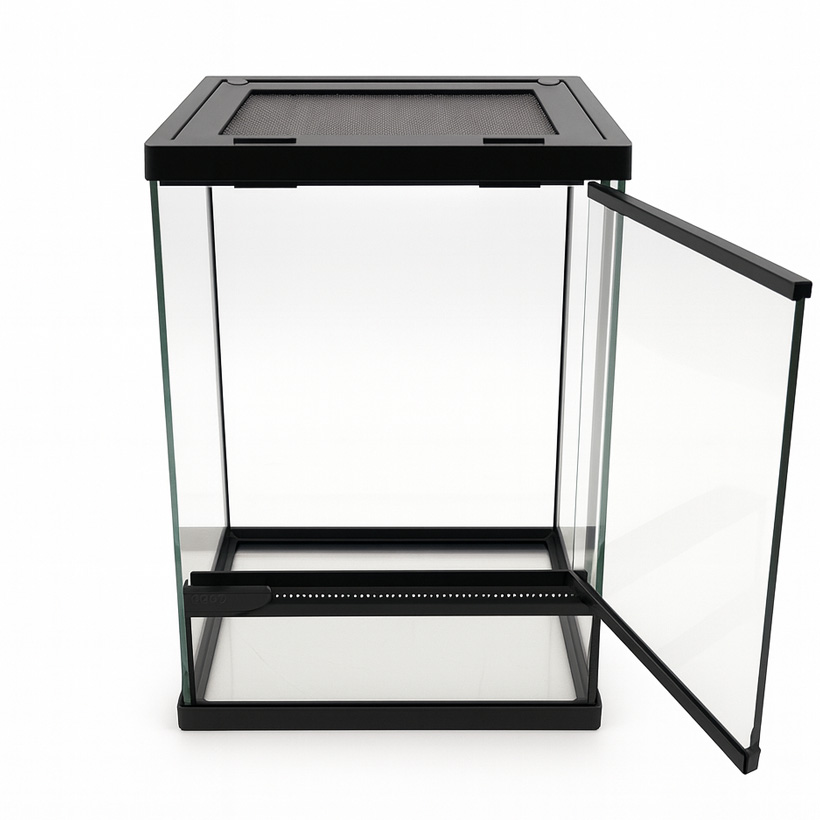
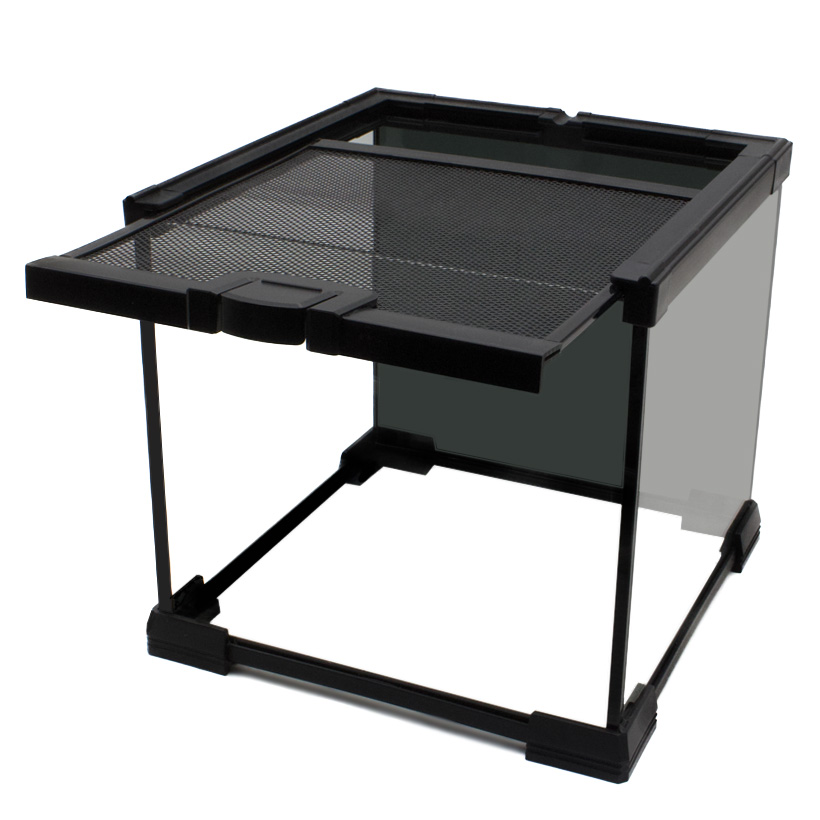
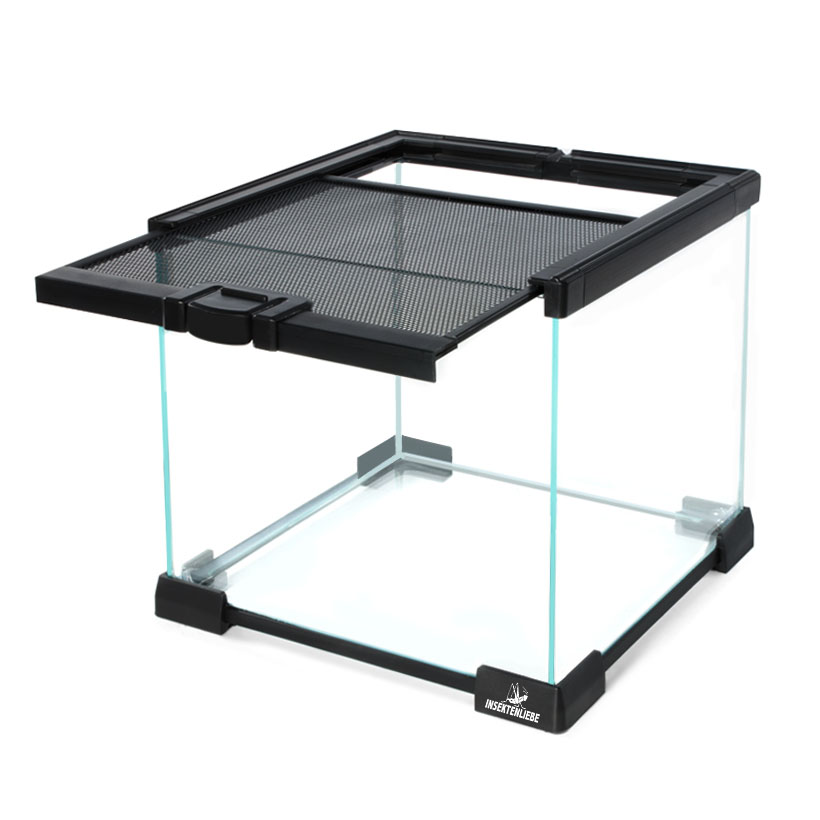
- Repto Terra Sky Terrarium – offers ample height and ideal conditions for tree-dwelling tarantulas.
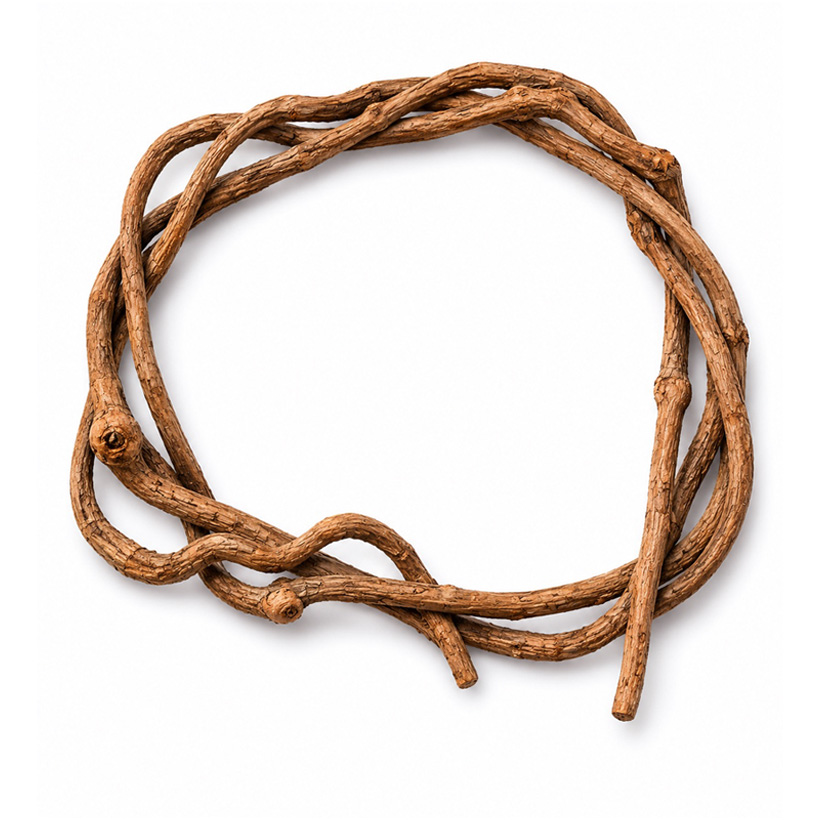
- Repto Tree Vine – creates additional climbing routes and expands the usable habitat.
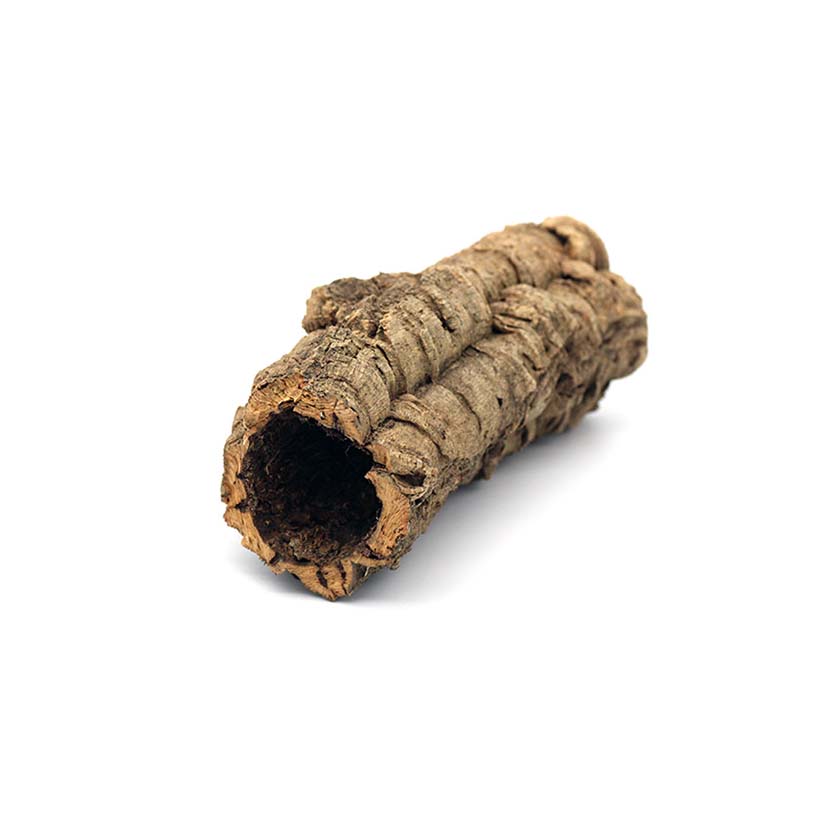
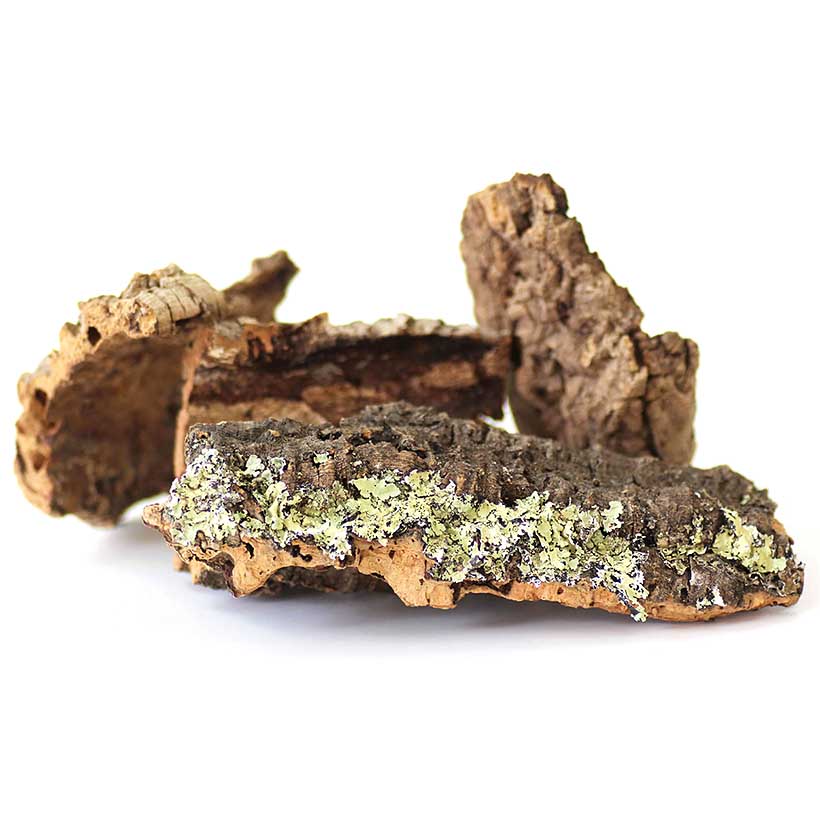
- Cork tubes – serve as natural living cavities and are often lined with cobwebs.
- Spiderwood – provides additional climbing surfaces and helps create a natural-looking terrarium.
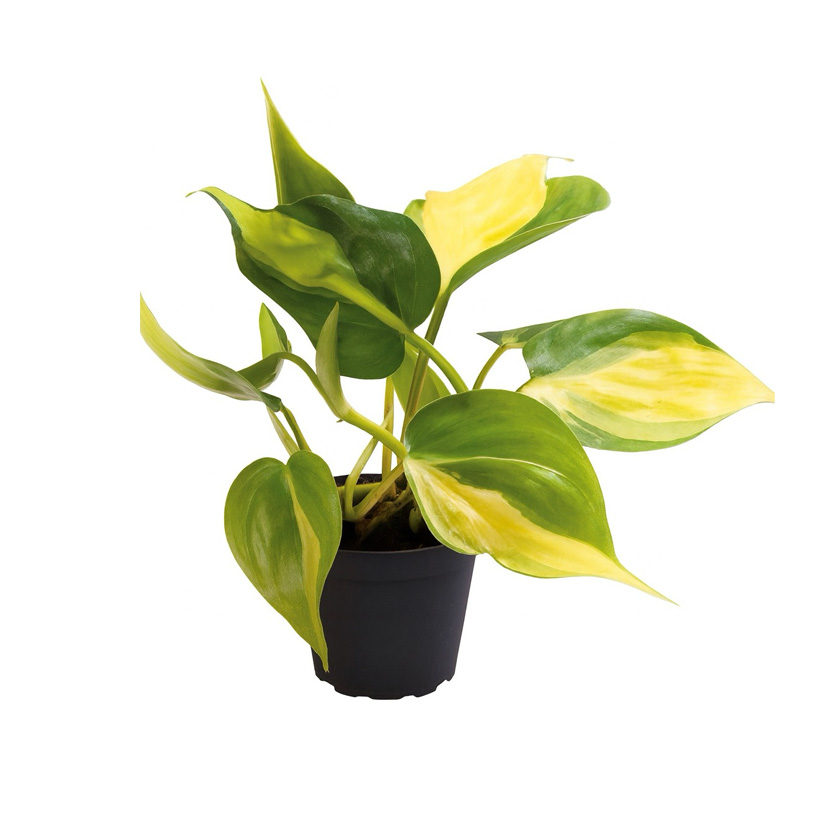
- Terrarium plants – provide cover while also improving the microclimate.
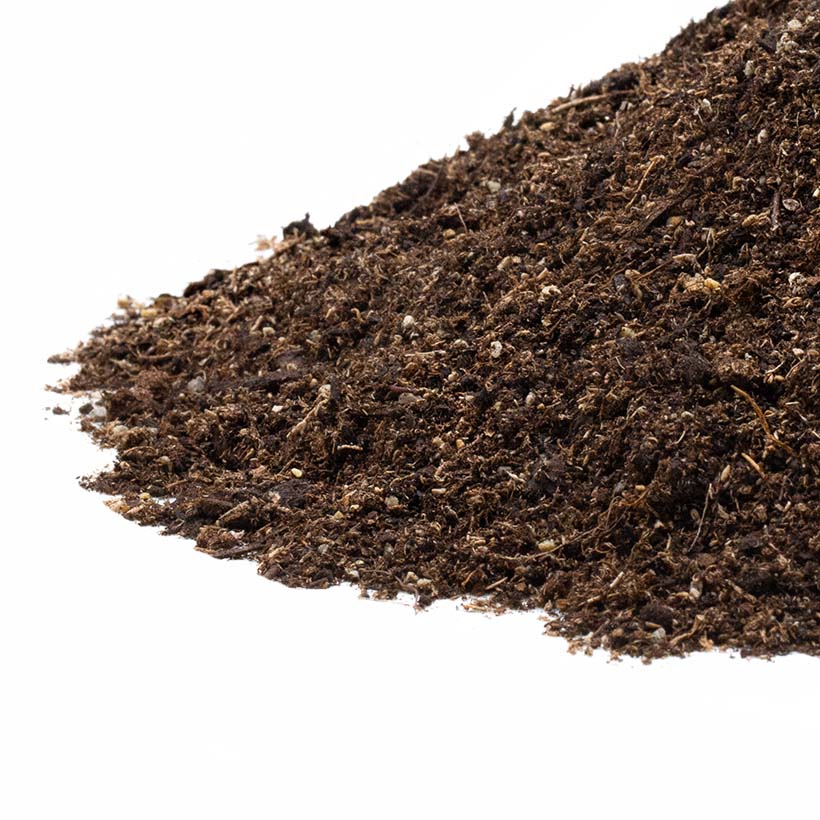
- Tarantula Substrate – the perfect substrate mix for a healthy environment in the terrarium.
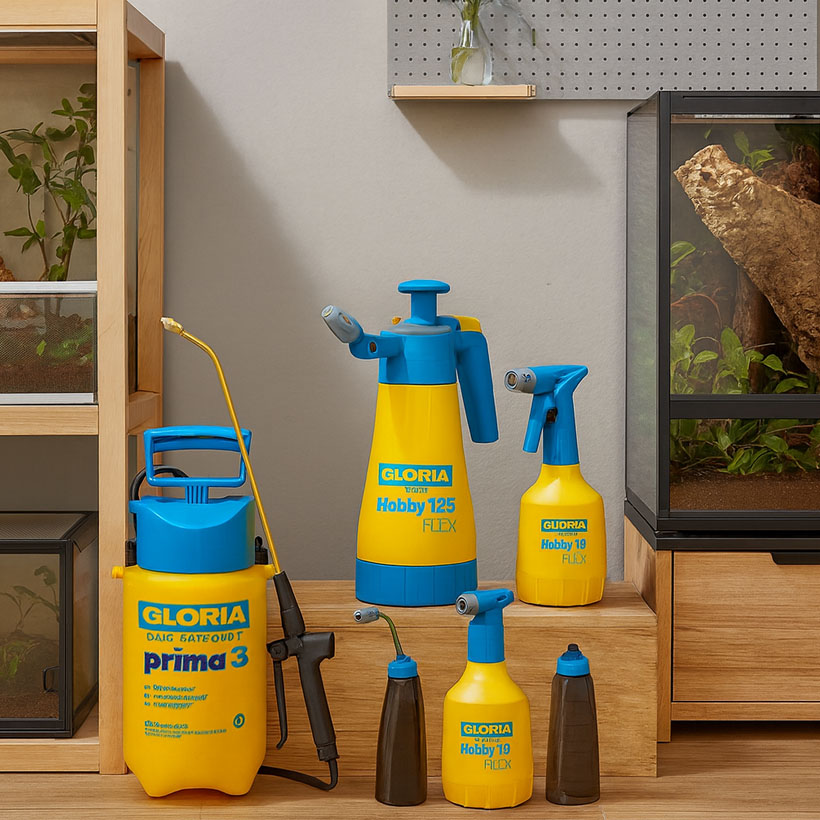
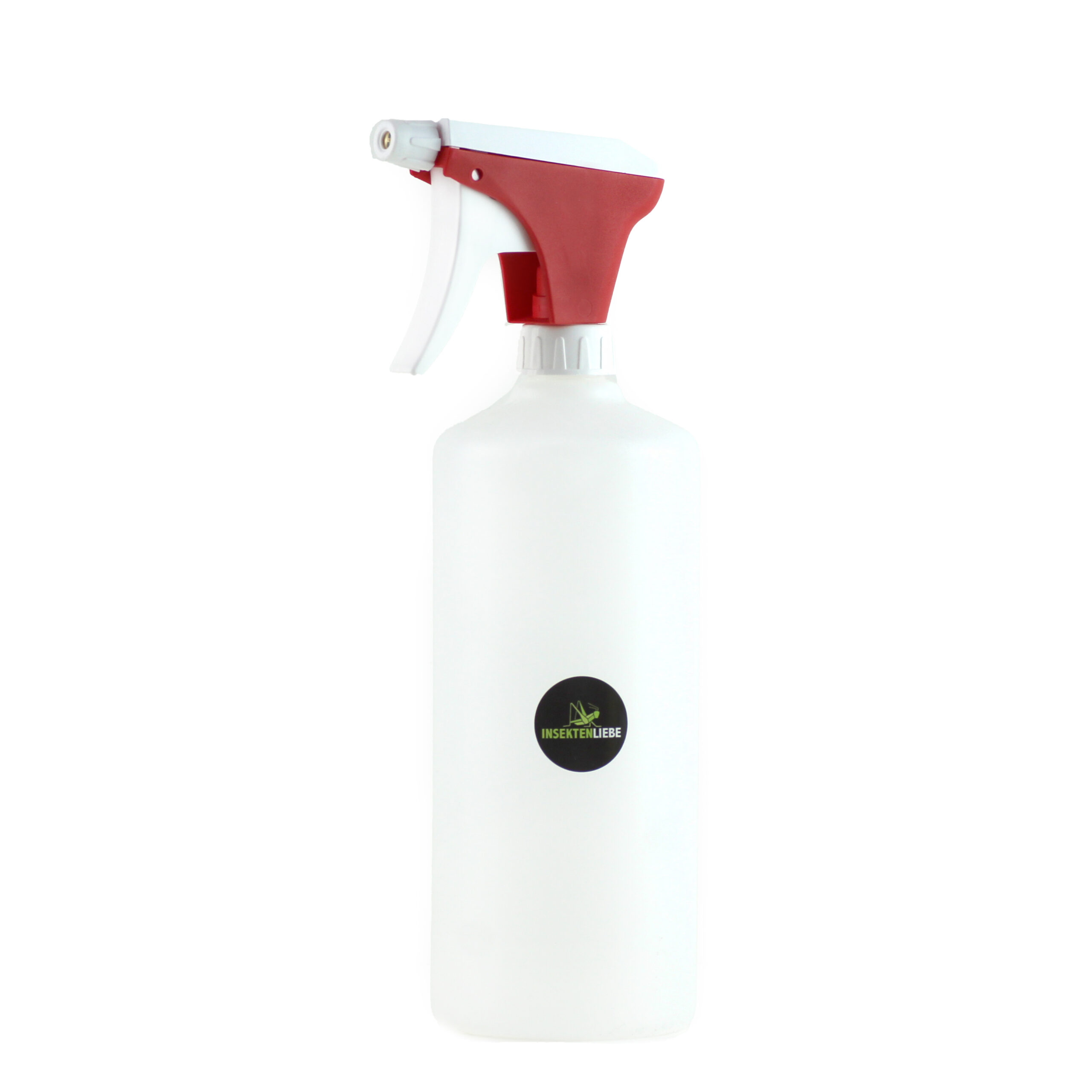
- GLORIA Fine Mist Sprayer – disperses water in a particularly fine mist and helps maintain a consistent climate in the terrarium.
This creates a natural-looking tree terrarium, while providing the spider with ideal conditions for climbing, hunting, and molting.
Conclusion
Tapinauchenius rasti They captivate with their intense coloring, distinctive web-building, and elegant way of life. At the same time, their active behavior consistently makes for exciting observations as they move deftly among branches and plants. If you provide a well-structured tall terrarium with plenty of climbing surfaces, high humidity, and safe hiding spots, you’ll enjoy this extraordinary tree-dwelling tarantula for many years to come.