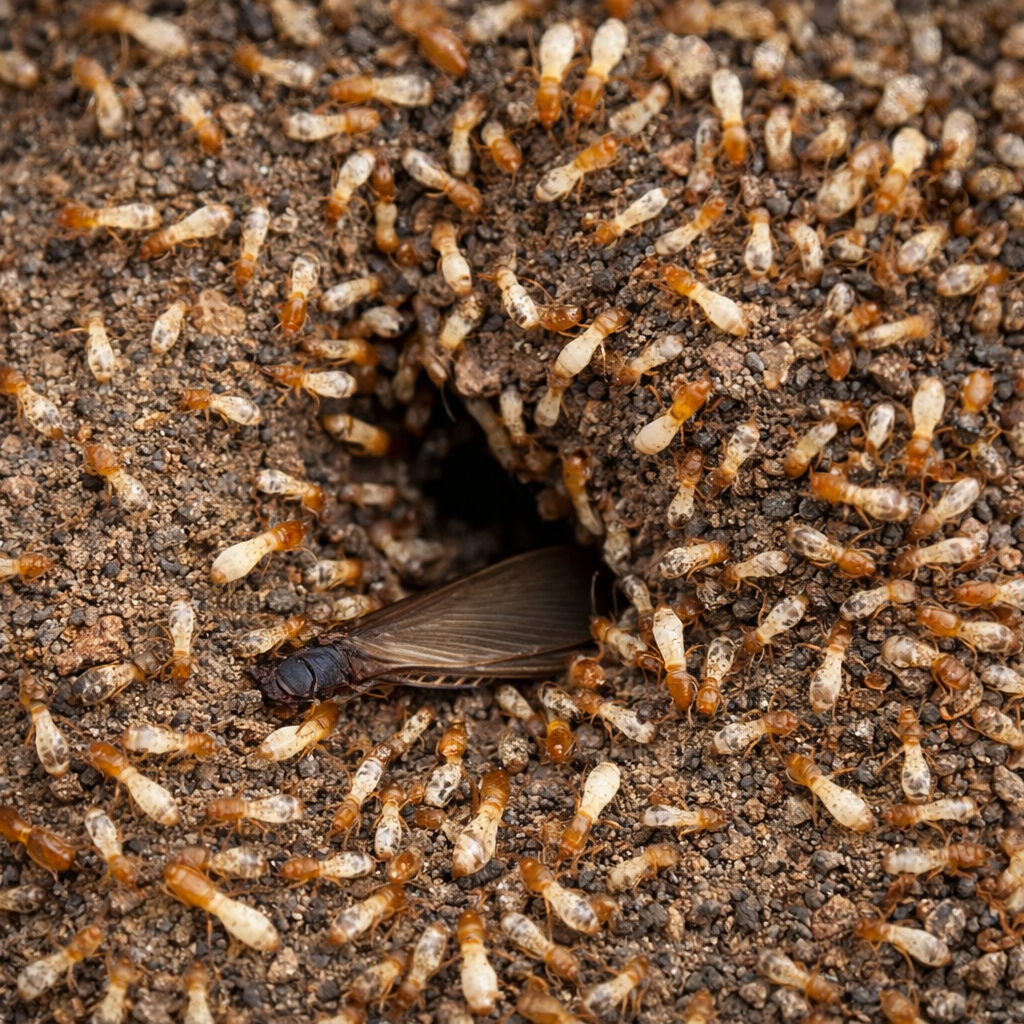


Termites are among the best-known insects of all. Their large colonies, complex colonies and impressive structures have always made them a popular subject of research. Cockroaches, on the other hand, are usually perceived quite differently. They are considered less spectacular and are often underestimated biologically.
All the more exciting is a finding that was only clearly formulated comparatively late in modern entomology: Termites and cockroaches are closely related – so closely that termites are now classified within the cockroach family
A reassessment on a genetic basis
In 2007 , researchers published extensive genetic studies that shed new light on the relationships between these insects. The results clearly showed that termites do not form an independent insect order, but have evolved from a cockroach-like lineage.
This reassessment was not a sudden break with earlier knowledge, but the result of more precise methods. While earlier classifications were based primarily on external characteristics and lifestyle, genetic analyses allowed a direct view of evolutionary origins for the first time.
The special way of life of termites
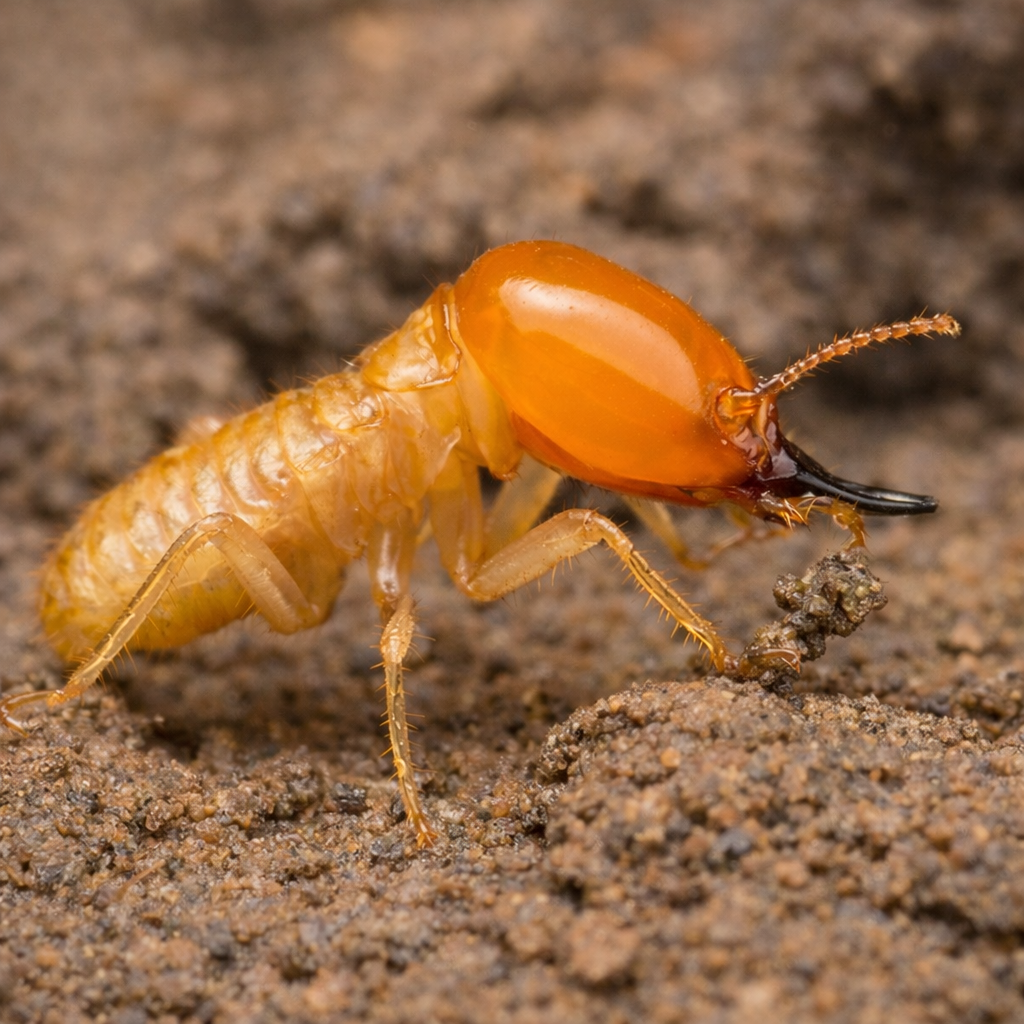
Termites live in highly organized communities. A colony consists of different castes that perform clearly defined tasks. Reproduction, nest building, foraging and defense are distributed among many individuals that act together as a functional unit.
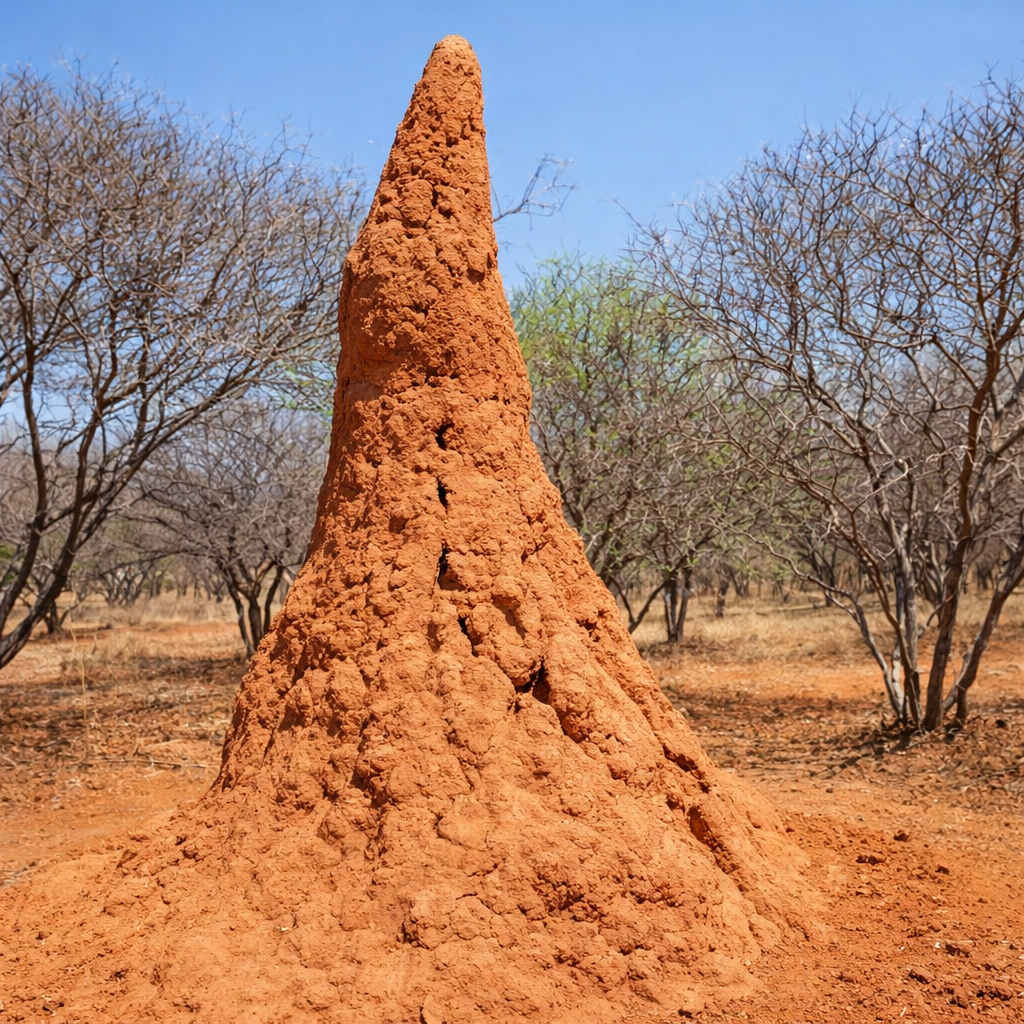
This way of life makes termites particularly successful. Individual animals are barely able to survive, but as a community they can maintain stable structures over long periods of time. Their burrows influence soils, microclimate and nutrient cycles and play a central ecological role in many regions.
Nutrition, symbiosis and cooperation
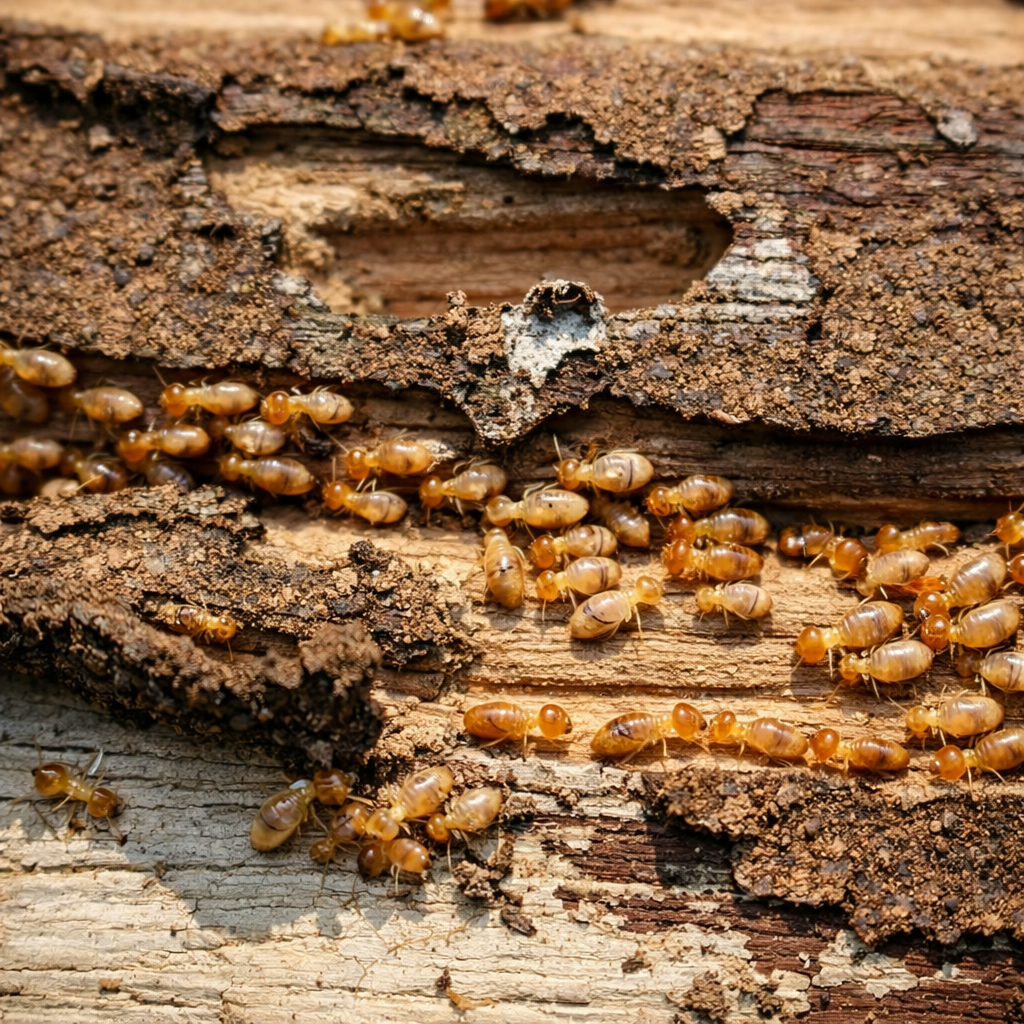
An essential part of the termites’ way of life is their diet. Most species feed on wood or plant material with a high cellulose content. Cellulose is difficult for animals to utilize, which is why termites are dependent on close cooperation with microorganisms.
These microorganisms live in the intestines of the termites and enable the breakdown of cellulose. Without this symbiosis, termites could not exist. Food exchange within the colony also ensures that the necessary microflora is passed on – another reason for the close social bond between the animals.
Transitions instead of contrasts
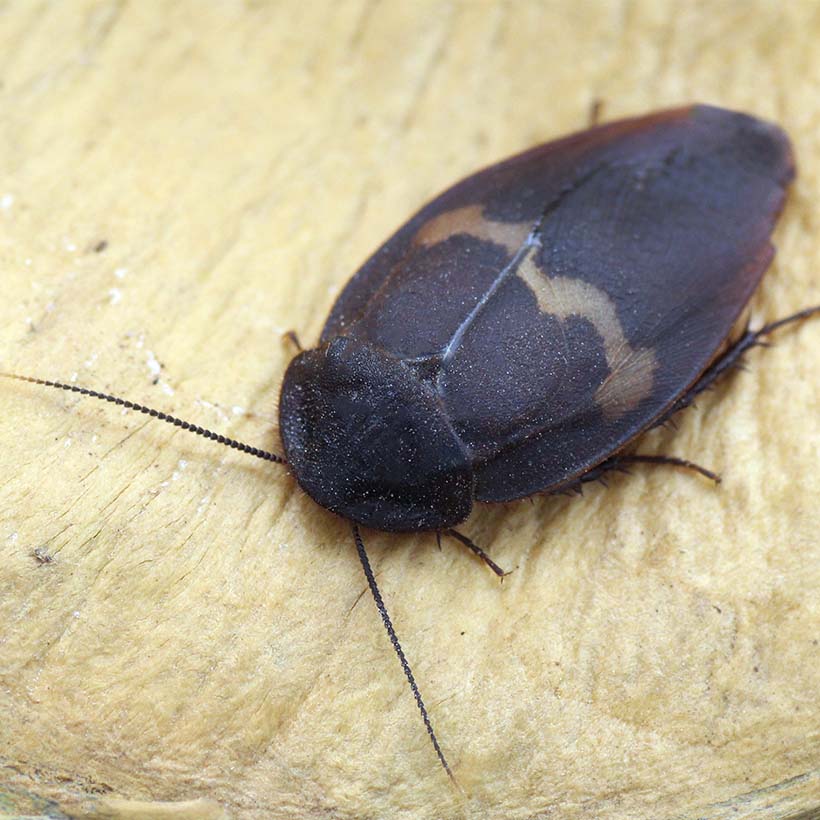
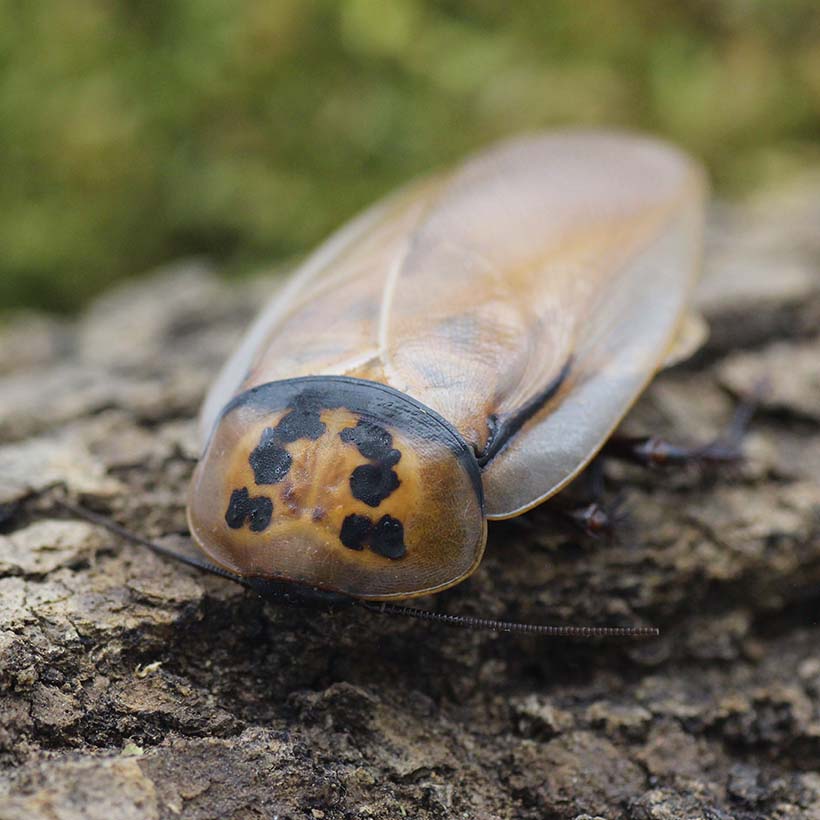
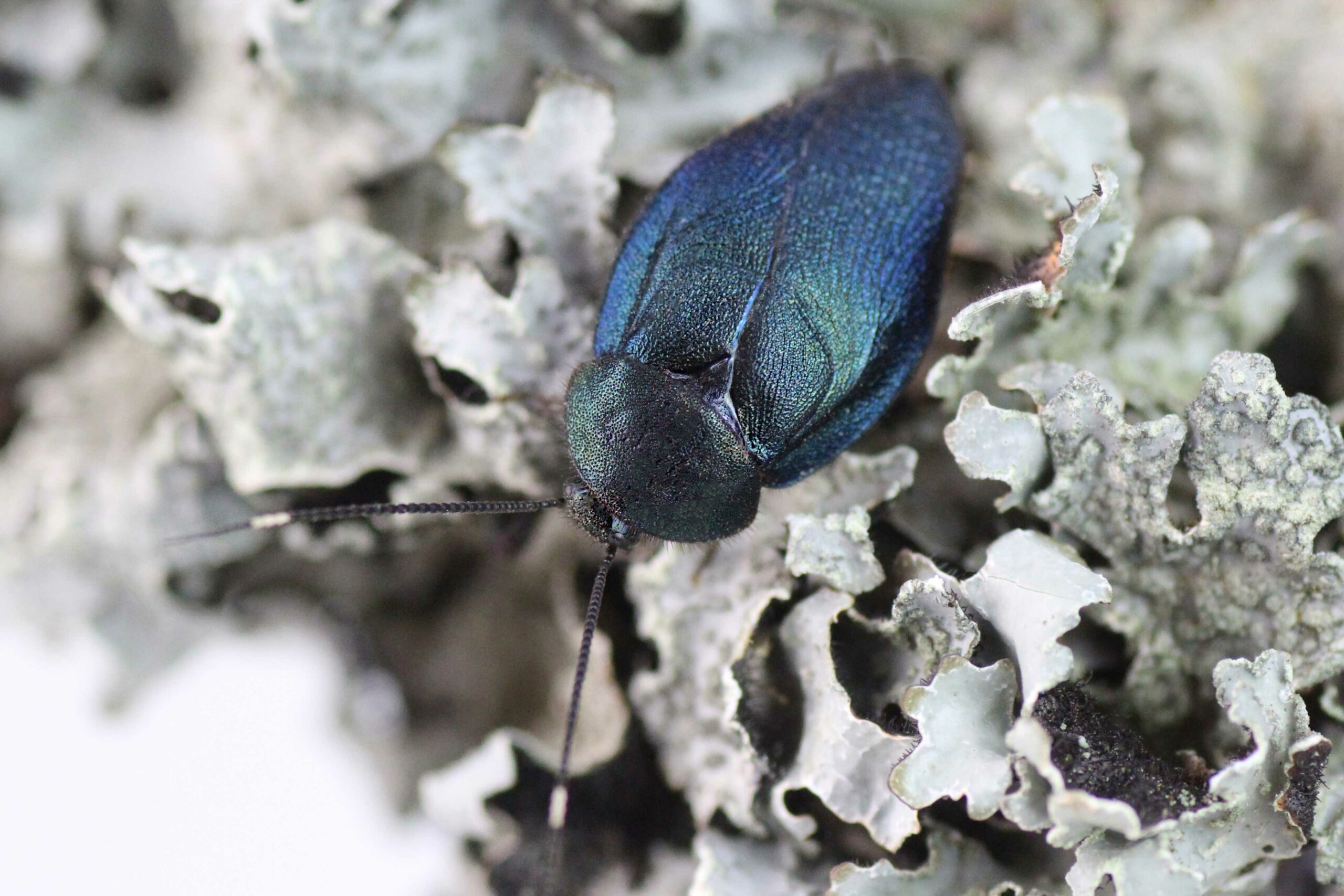
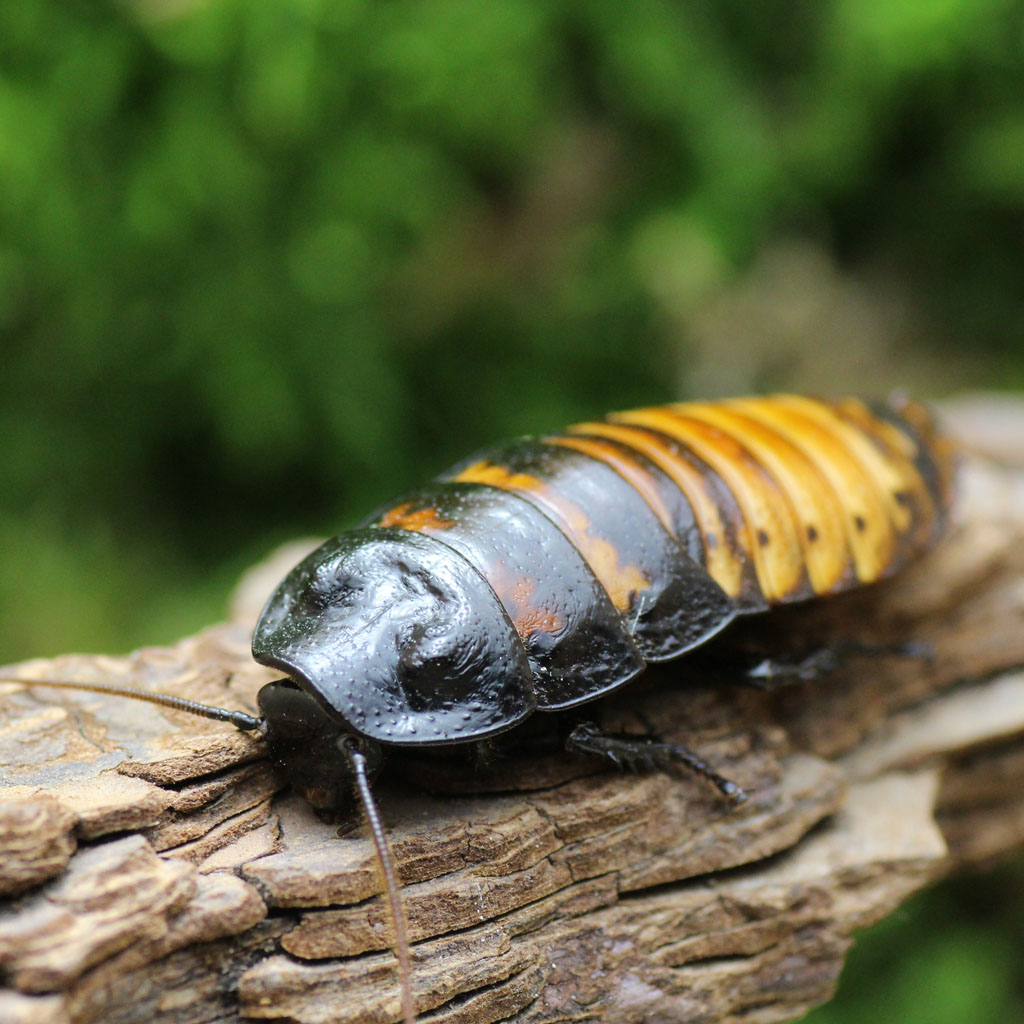
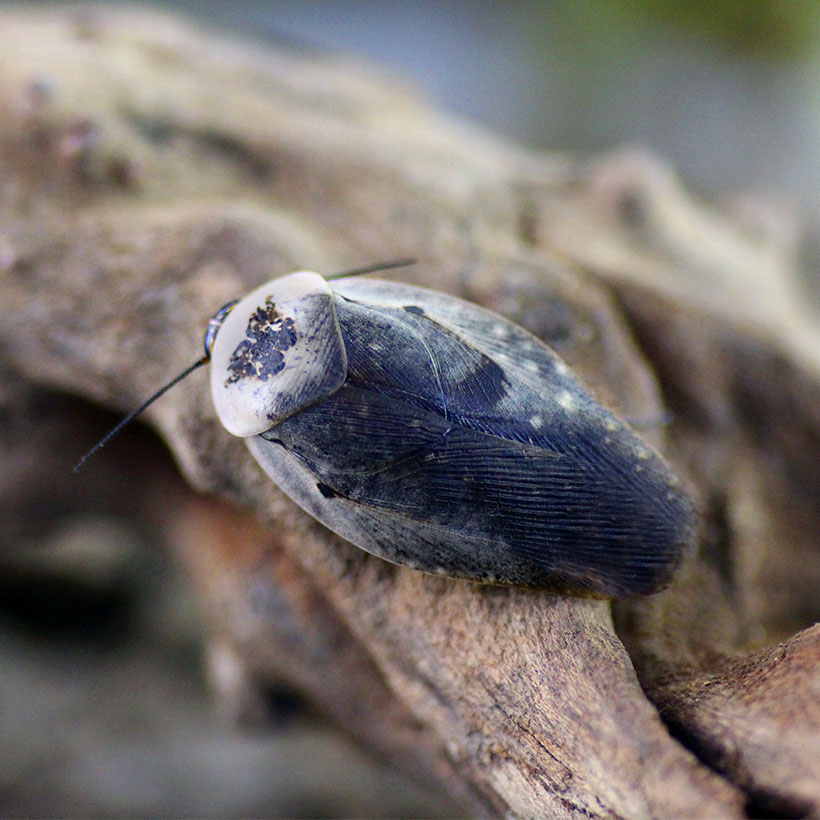
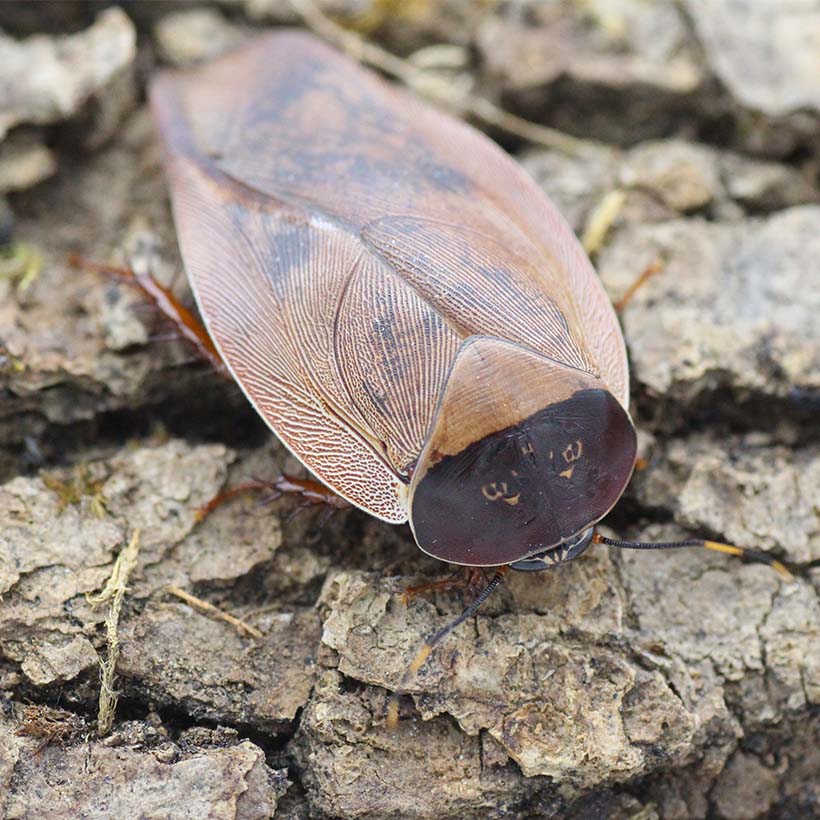
A closer look at cockroaches reveals that social organization is not a unique feature of termites, but occurs in various degrees within cockroaches. There are species that live permanently in groups, use common hiding places and actively protect their offspring. In some cockroaches, the young stay close to the mother for a longer period of time, while others already show forms of division of labor or coordinated foraging.
Termites are not outside this spectrum, but at the extreme end. Their highly complex states are not a completely new development, but the consistent continuation of social tendencies that are already present in cockroaches.
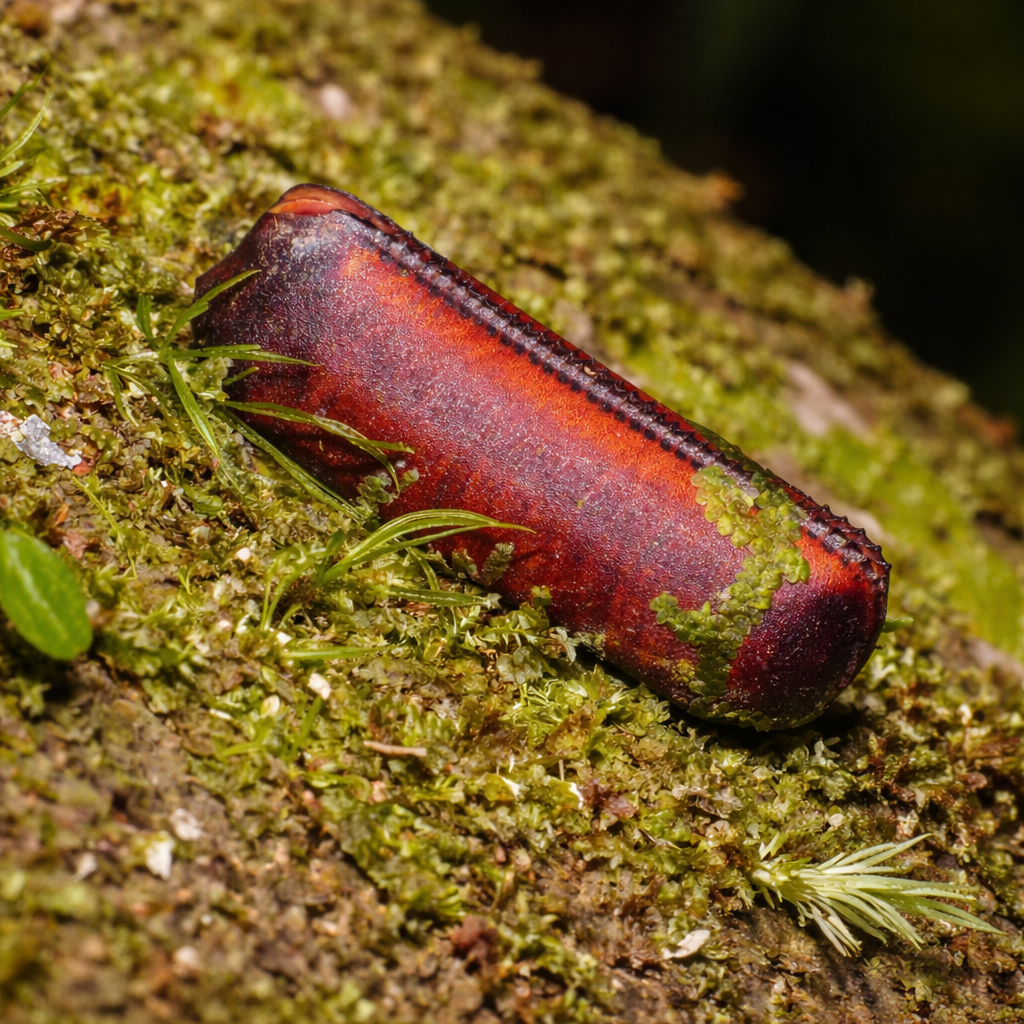
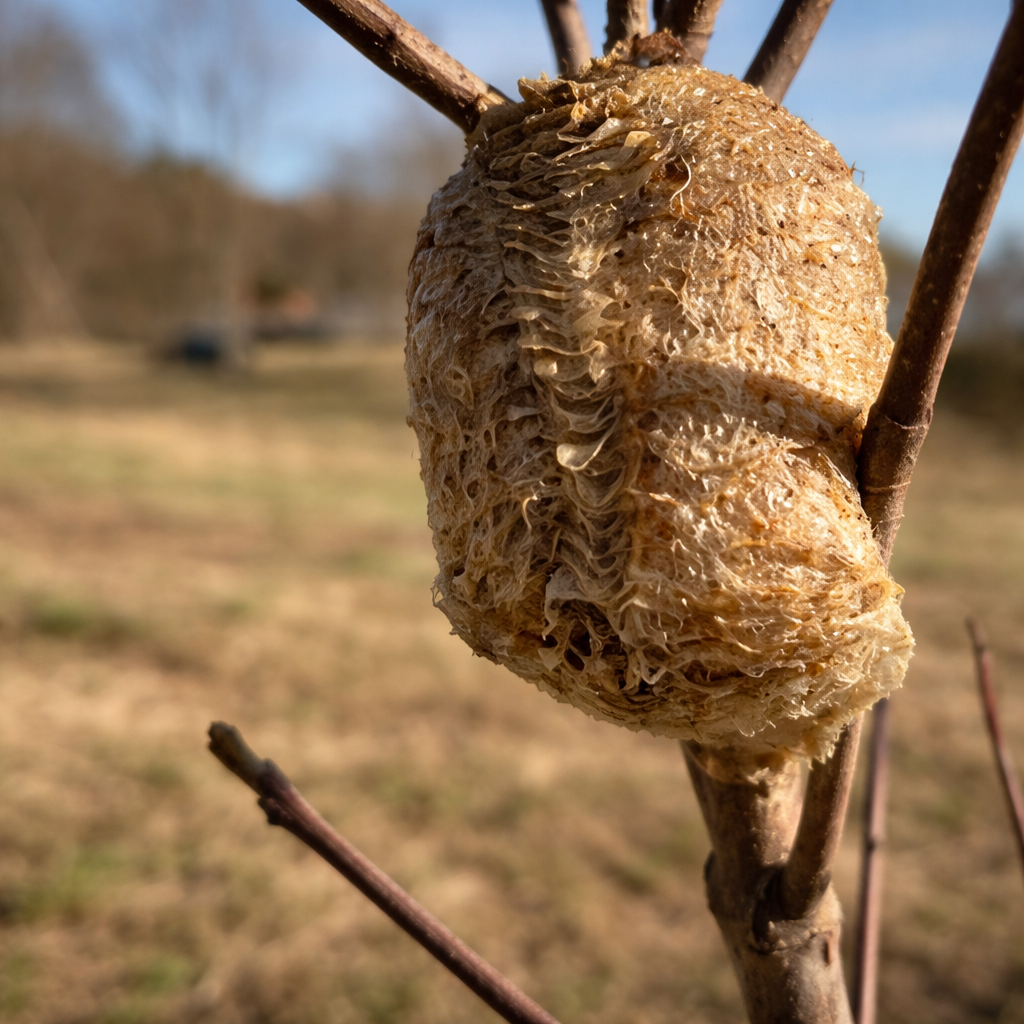
This transition is particularly evident in the species Mastotermes darwiniensis. It still has several characteristics that are otherwise known from cockroaches, such as a cockroach-like egg capsule (ootheca) and certain original structures in the body structure. At the same time, it already lives in organized colonies with a division of labour. It is particularly important for research because it shows how the highly social way of life of termites could gradually develop from a cockroach-like initial form – without an abrupt break, but through many small evolutionary intermediate steps.
Dictyoptera – a common ancestry
Cockroaches, termites and praying mantises are now classified together as Dictyoptera . This group shares basic anatomical and developmental characteristics. The differences in behavior and lifestyle are the result of different adaptations, not separate origins.
The classification of termites within the cockroach family helps to better understand these relationships. It shows how diverse a common blueprint can develop – from rather inconspicuous soil dwellers to complex state builders.
What this classification means
Today’s perspective does not change what termites are or do. Rather, it complements our understanding of their origins. Instead of isolated special cases, it shows how closely different insect groups are connected.
Biological systematics is not a rigid construct, but a tool that evolves with new findings. The history of termites and cockroaches is a good example of how research clarifies and expands existing knowledge – calmly, gradually and comprehensibly.
A look at familiar animals with new questions
If you look at termites and cockroaches together, a more differentiated picture of both groups emerges. One appears less alien, the other less simple.
This is precisely the appeal of this insight: it invites us to take a fresh look at familiar animals – not with a raised index finger, but with interest in the paths that evolution can take.
If you have any further questions, please leave them in the comments below the article.
Leave a Reply
You must be logged in to post a comment.