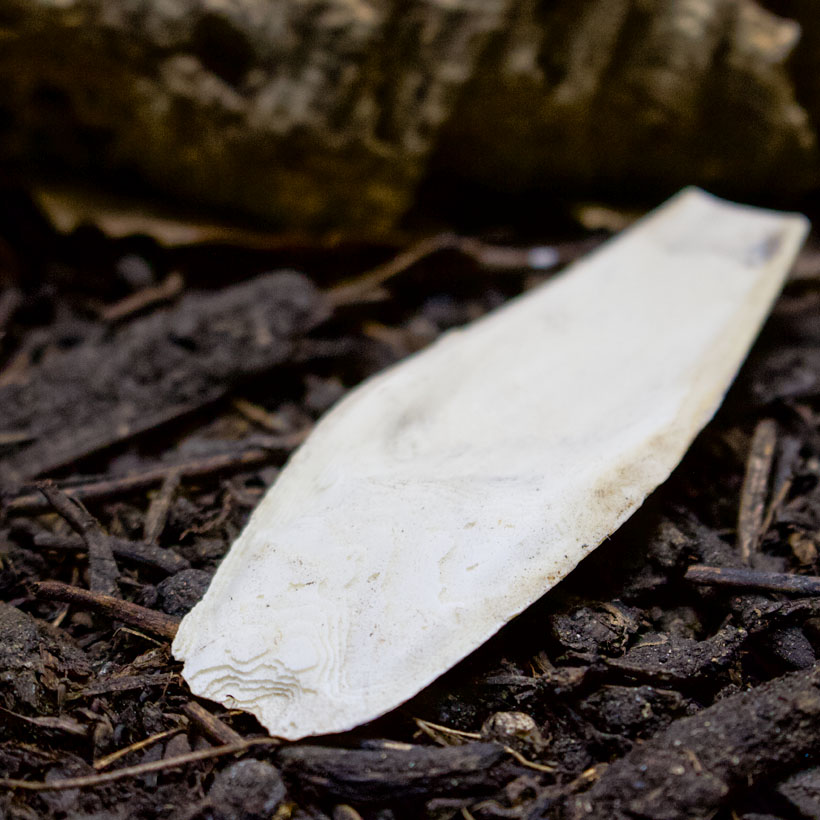


Anyone involved in terraristics will quickly realize that calcium is one of the most important minerals for many invertebrates. Whether Isopods, snails, crabs or crustaceans – they all need a reliable source of this mineral to keep their shells, casings or exoskeletons stable. Calcium also plays a key role in moulting, perhaps the most critical moment in the lives of many invertebrates .
The question that many owners ask themselves: How do I make sure that my animals really get enough calcium? There are countless calcium supplements on the market in powder form, often produced synthetically. However, those who prefer naturalness and ease of use prefer to use a classic: cuttlebone.
What is a cuttlebone?
What exactly is a cuttlebone?
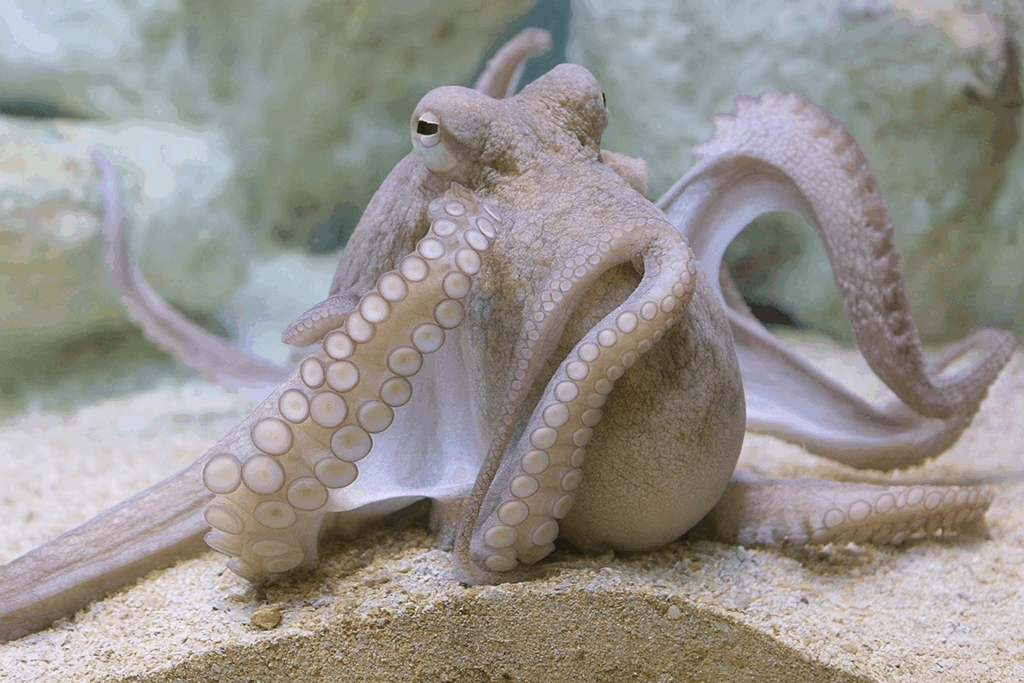
The cuttlefish shell comes from the cuttlefish Sepia officinalis, commonly known as the “common cuttlefish”. This animal belongs to the cephalopod family and is closely related to squid and octopus. Unlike these, however, the cuttlefish has a solid inner skeleton – the so-called cuttlefish shell.
This skeleton fulfills a very special function in the life of the animal: it serves as a kind of buoyancy regulator. Thanks to a sophisticated system of many small chambers filled with gases and liquids, the cuttlefish can precisely control its position in the water.
It rises, sinks or remains floating in the sea – without any great effort. This makes the cuttlefish shell a perfect example of nature’s ingenuity, in which functionality and lightness are ideally combined. The structure of the cuttlefish shell is porous, light and at the same time amazingly stable. It consists mainly of calcium carbonate, a mineral that is also found in the shells of snails and mussels. This high mineral content makes it particularly interesting for keeping invertebrates, as it is precisely this composition that Isopods, snails and other animals need for their shells or casings.
After the animals have died, their shells are washed up on the beaches by the waves. People have been collecting them there for centuries, drying and cleaning them for reuse. Originally, the cuttlefish shell was primarily known as a beak whetstone and mineral source for ornamental birds. However, it has long since found a permanent place in terrariums, where it serves as a natural source of calcium and thus makes an important contribution to healthy, stable invertebrates.
In short, the cuttlebone is not only a fascinating relic from the underwater world, but also a valuable natural product that can play a central role in the terrarium – without any chemical processing or artificial additives.
Natural composition instead of chemicals
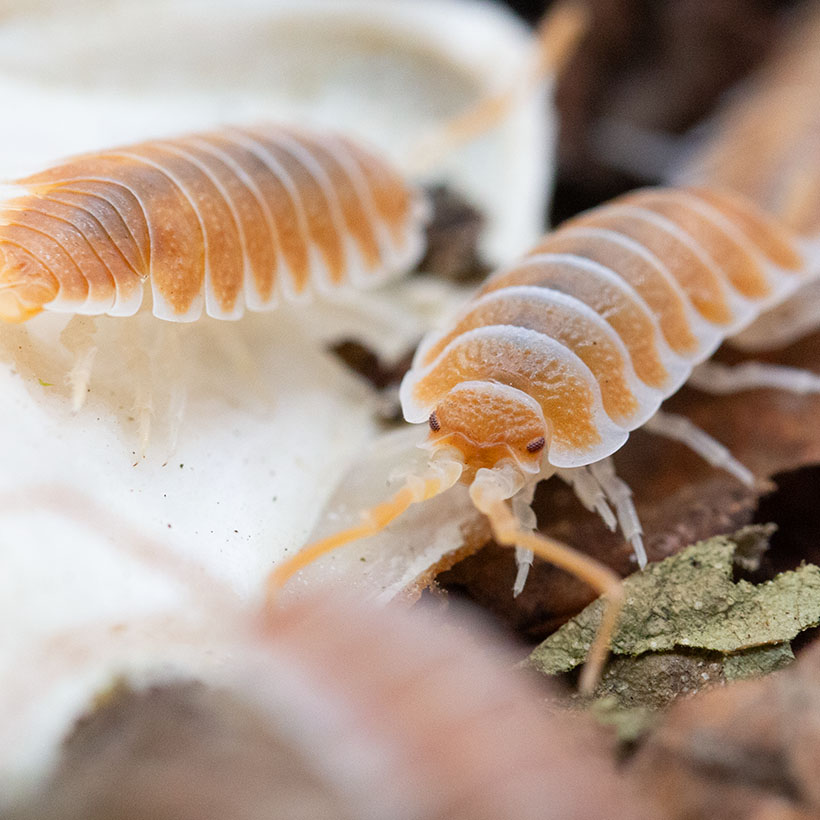
The biggest advantage of cuttlefish shells is that they consist almost entirely of calcium carbonate, a compound that is particularly easily accessible to invertebrates. It also contains small amounts of magnesium and trace elements that are important for the metabolism.
Artificial calcium supplements, on the other hand, are often highly processed. The powder has to be mixed into the feed or sprinkled over the substrate. This always raises the question: Do the animals really eat as much of it as they need? Or is there too much left over? This problem is eliminated with cuttlefish shells, as the animals nibble or grate off exactly as much as their organism needs.
Advantages of cuttlebone at a glance:
- 100% natural product – unprocessed, sustainable and without additives.
- Optimum bioavailability – invertebrates can absorb the calcium very well.
- Needs-based supply – animals only take as much as they need.
- Additional minerals – magnesium and trace elements round off the mineral profile.
- Practical handling – simply place in the terrarium and you’re done.
- Long shelf life – stored in a dry place, cuttlebone can be used practically indefinitely.
This means that the cuttlebone beats any artificial preparation – without any dosing problems or chemical additives.
Application in terraristics
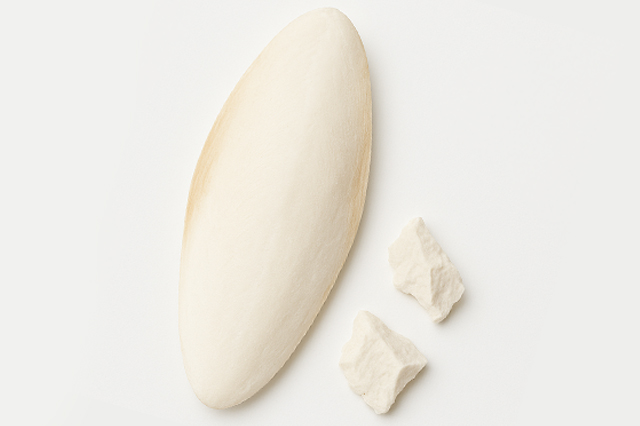
It is very easy to use: place a cuttlebone in the terrarium and the animals will take care of the rest. Isopods and snails gradually grate off the shell, while crabs or shrimps often even bite off small pieces. For smaller species, the shell can also be broken or ground into powder.
Another advantage: cuttlebones do not soil the terrarium. Powder preparations can clump together when damp, disappear into the substrate or even lead to mold growth. A cuttlebone remains stable and is also a visible calcium dispenser that can be replaced or supplemented at any time.
Tip: Place the cuttlebone in a dry place in the terrarium with the shell facing downwards. This will keep it durable and hygienic for a long time.
Insektenliebe offer for cuttlefish shells
At Insektenliebe, we offer cuttlebone in different sizes and packaging units – perfectly tailored to your needs:
- Sepia powder – perfect for the next generation
- Individual bowls in various sizes – ideal for small terrariums.
- 100-gram packs – practical for owners with several animals.
- 1 kilo packages – for growers or large collections.
- 5-kilo bags – our bulk pack for professionals and frequent owners.
This gives you the flexibility to decide which quantity is right for you. Each of our bowls is natural, clean and ready for immediate use.
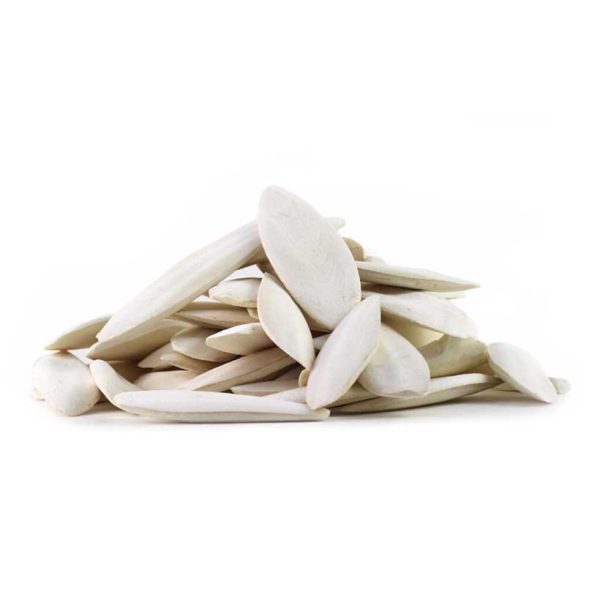
Sepia shells
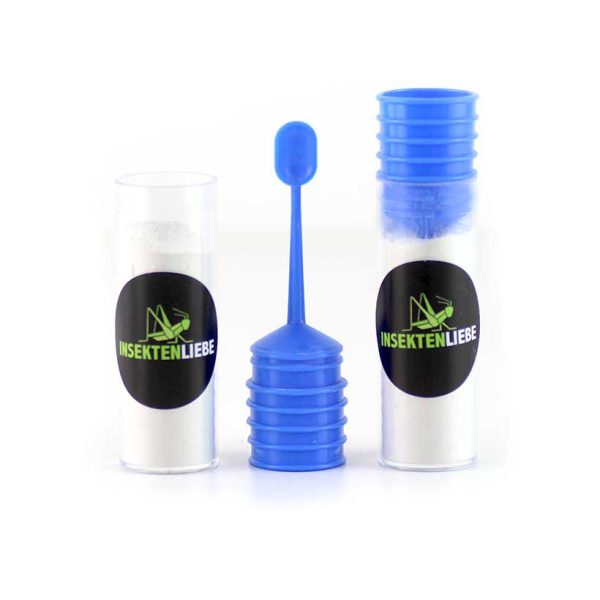
Sepia powder
Why cuttlebones are more sustainable
An aspect that many people underestimate: Cuttlefish shells are a by-product of nature. They do not need to be artificially produced, chemically treated or elaborately packaged. This makes them an ecologically sensible alternative to synthetic calcium supplements, which are often energy-intensive to produce. For those who value sustainability, cuttlefish shells are the perfect solution.
Conclusion
Cuttlefish shells are the ideal source of calcium for invertebrates – natural, effective and uncomplicated. They provide everything Isopods, snails and other terrarium animals need for a stable exoskeleton, healthy molts and a long life. In contrast to chemical powders, the animals feed themselves instinctively – just as nature intended.
Visit our store now and discover our selection of high-quality cuttlebone shells – for healthy and happy invertebrates.
If you have any further questions, please leave them in the comments below the article.
Leave a Reply
You must be logged in to post a comment.