Sale!

Cubaris spec. “Blue Pigeon”
Price range: 14,00 € through 120,00 € incl. VAT, plus shipping

Medium

Thailand

< 18 mm

24°C – 28°C
Cubaris spec. “Blue Pigeon” – the soft blue beauty from Southeast Asia
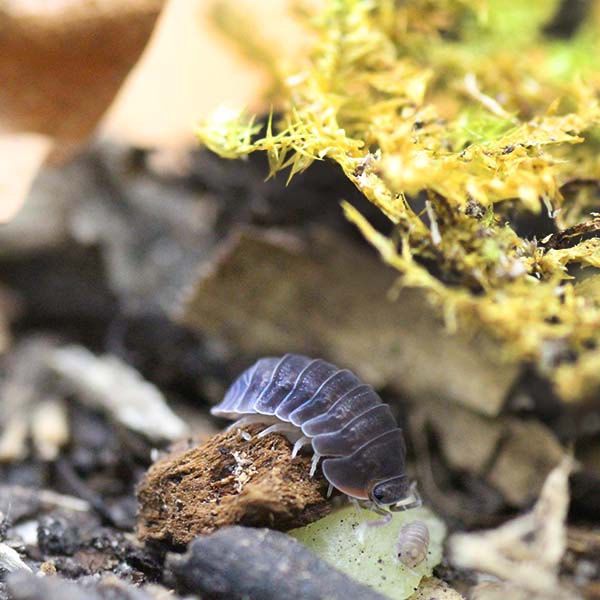
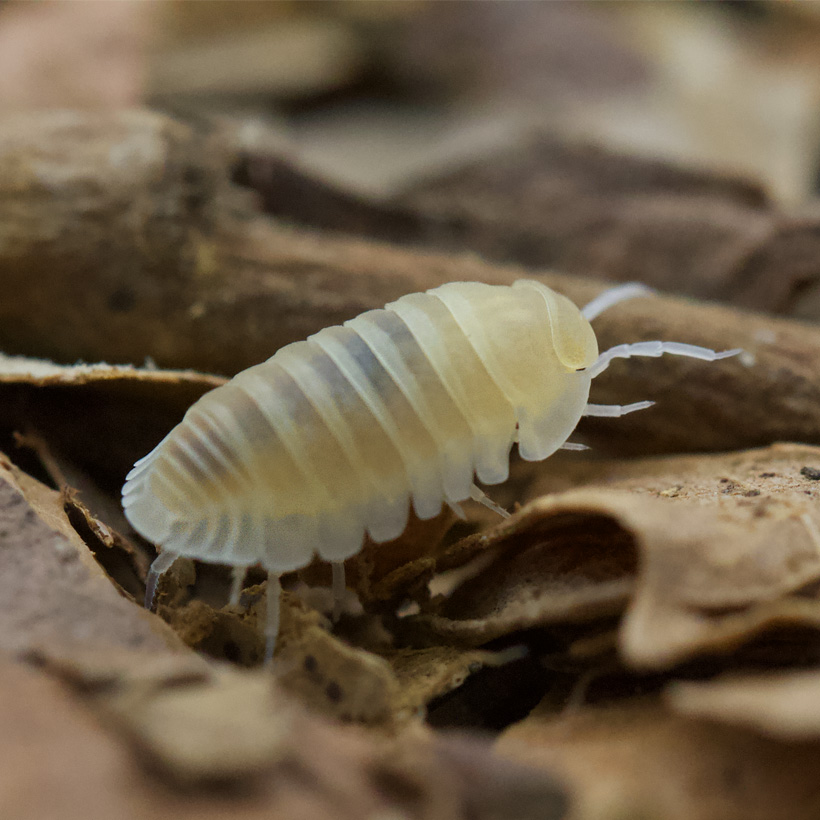
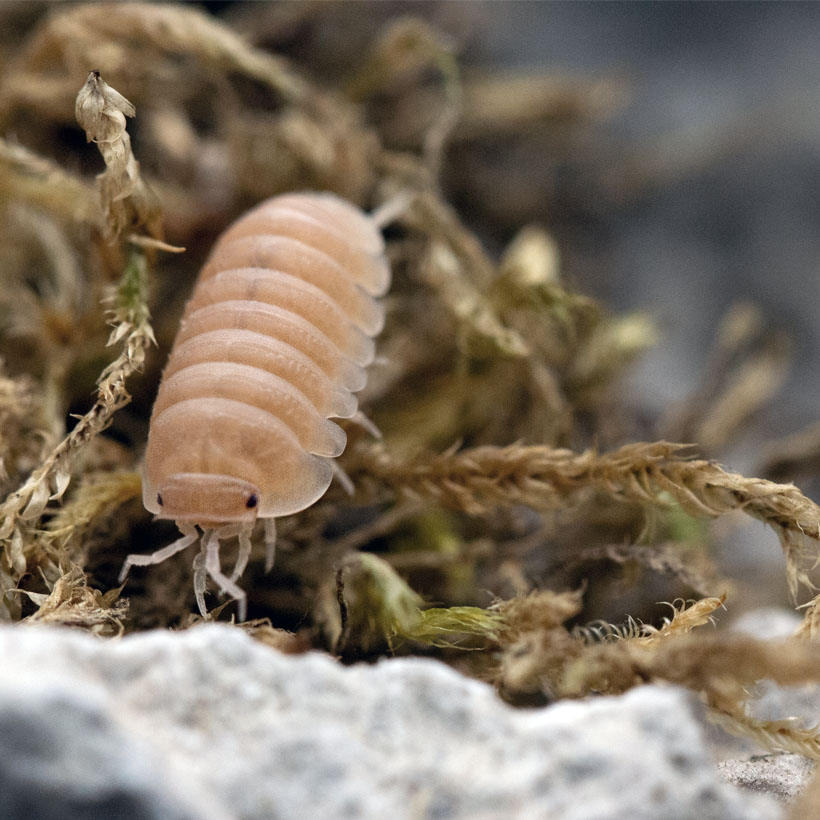
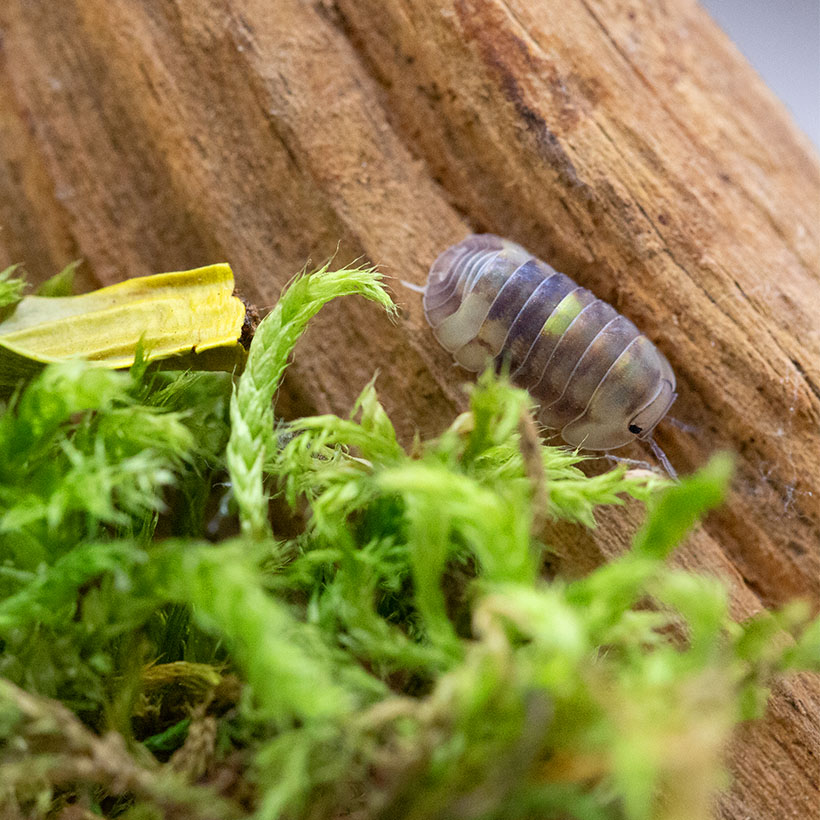
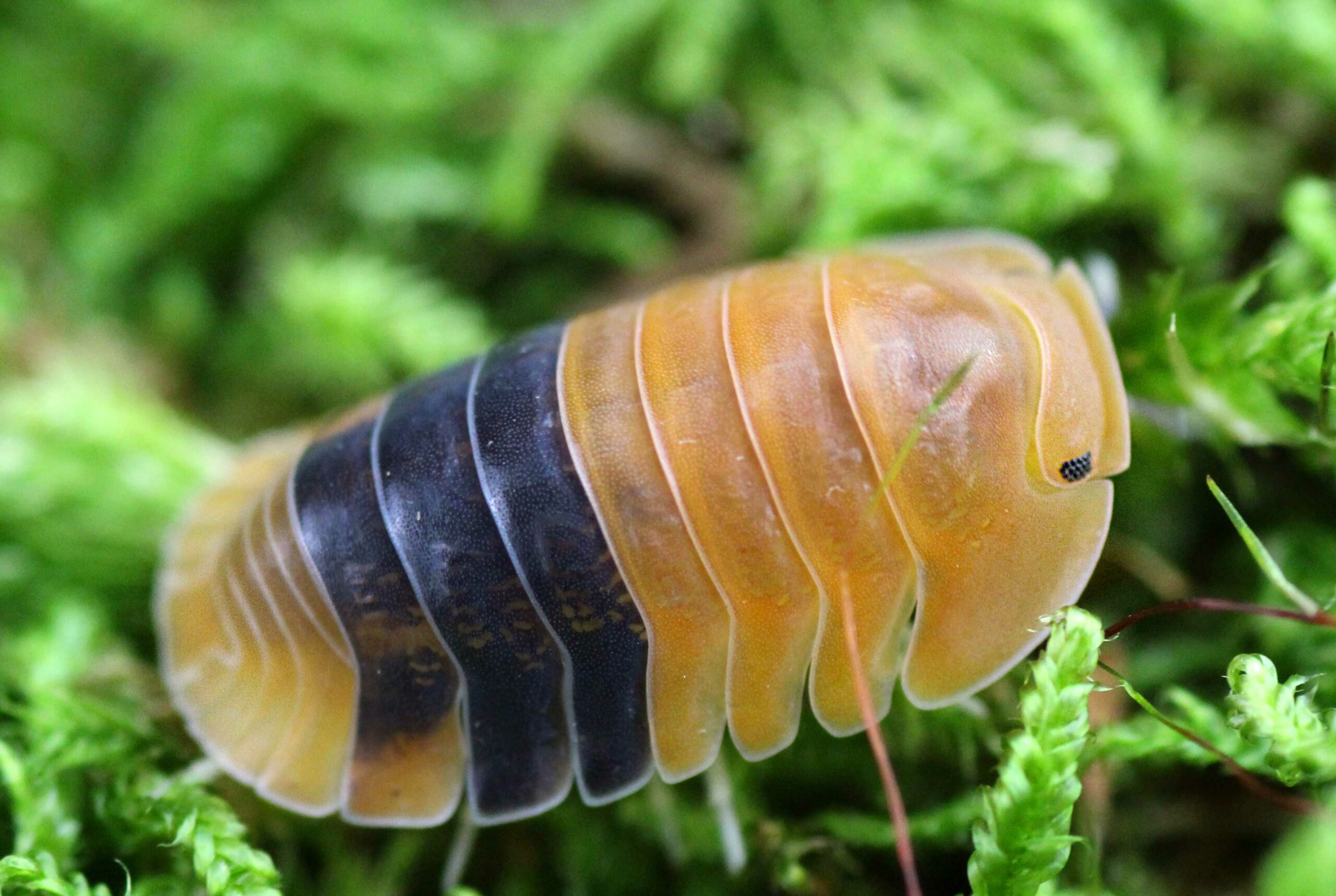
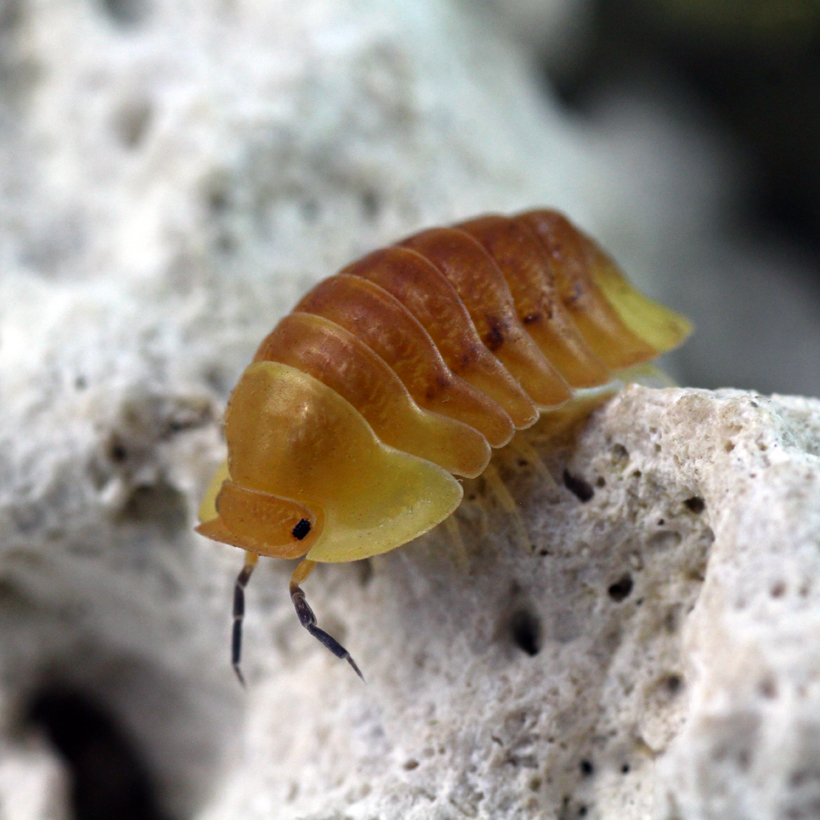
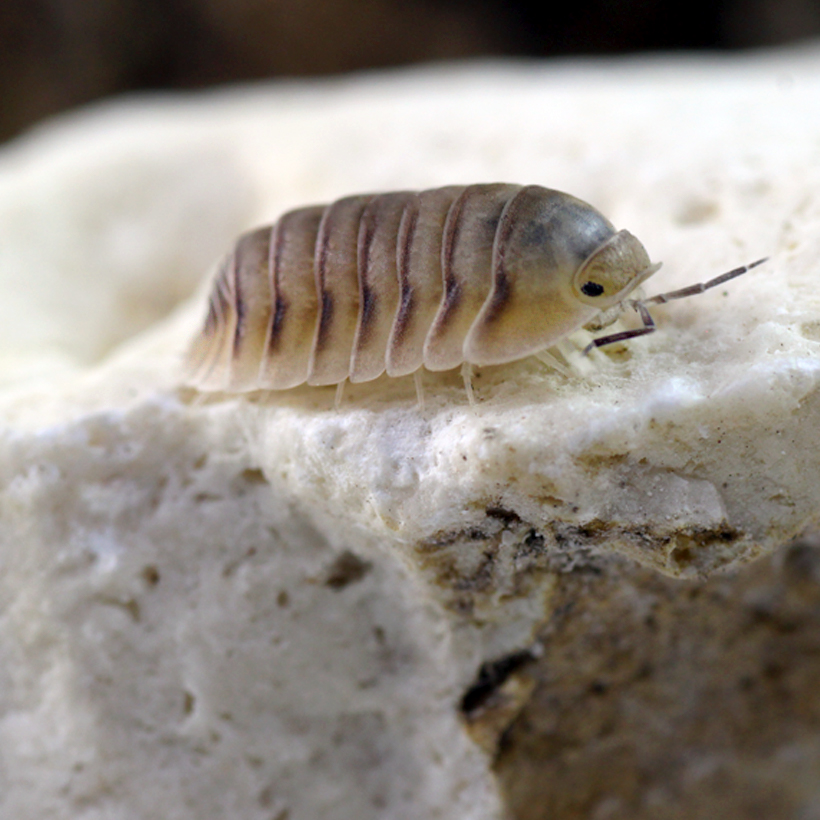
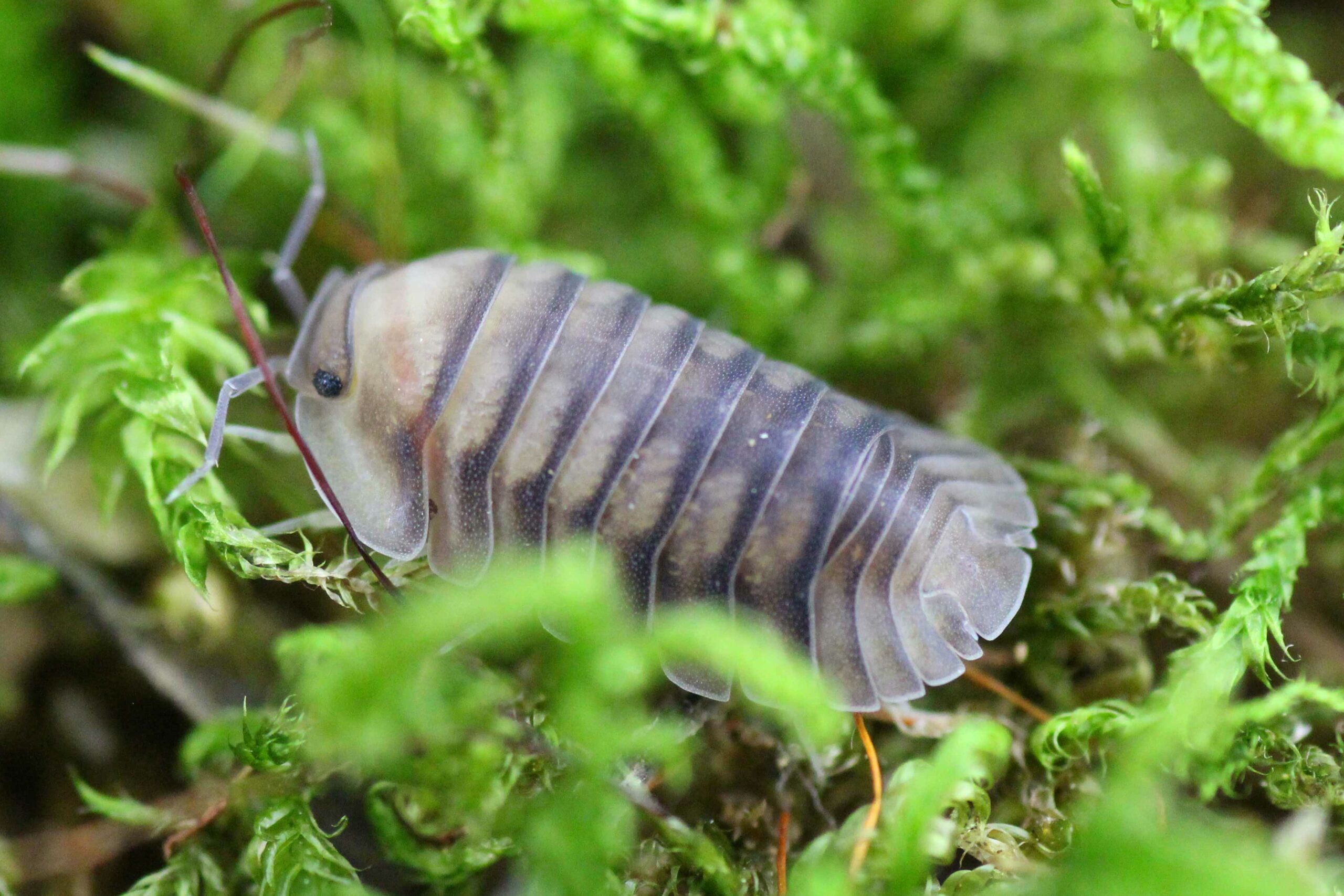
Cubaris spec. “Blue Pigeon” is a particularly elegant species of isopod that is characterized by its softly shimmering, dove-blue colouring. The color nuances range from a light pastel blue to a slightly darker, matte shade of blue that varies depending on the light and humidity. This subtle but striking coloring makes it a real eye-catcher in any bioactive setup.
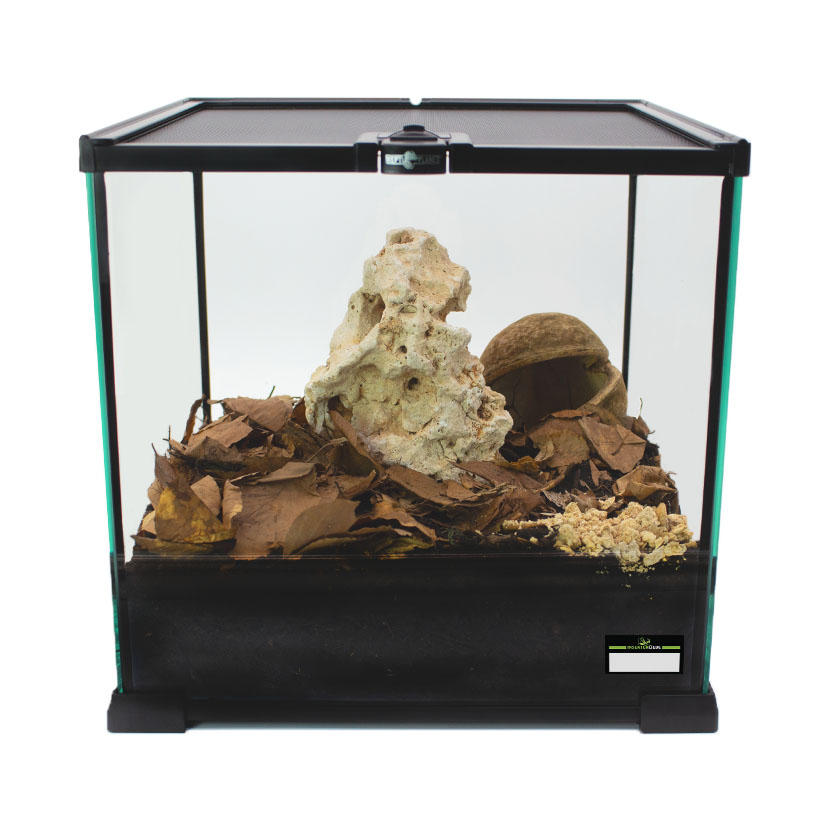
It originates from the tropical and subtropical regions of South East Asia, where it lives in damp deciduous forests. There they are often found under rotten wood, in layers of leaves or in small crevices between stones. The climatic conditions of their native habitat can be reproduced well in the terrarium: Temperatures between 24 and 28 °C, a high humidity of around 70-80 % and sufficient ventilation are ideal.
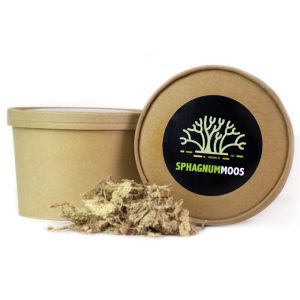
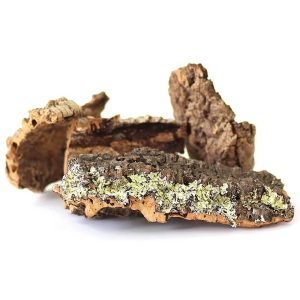
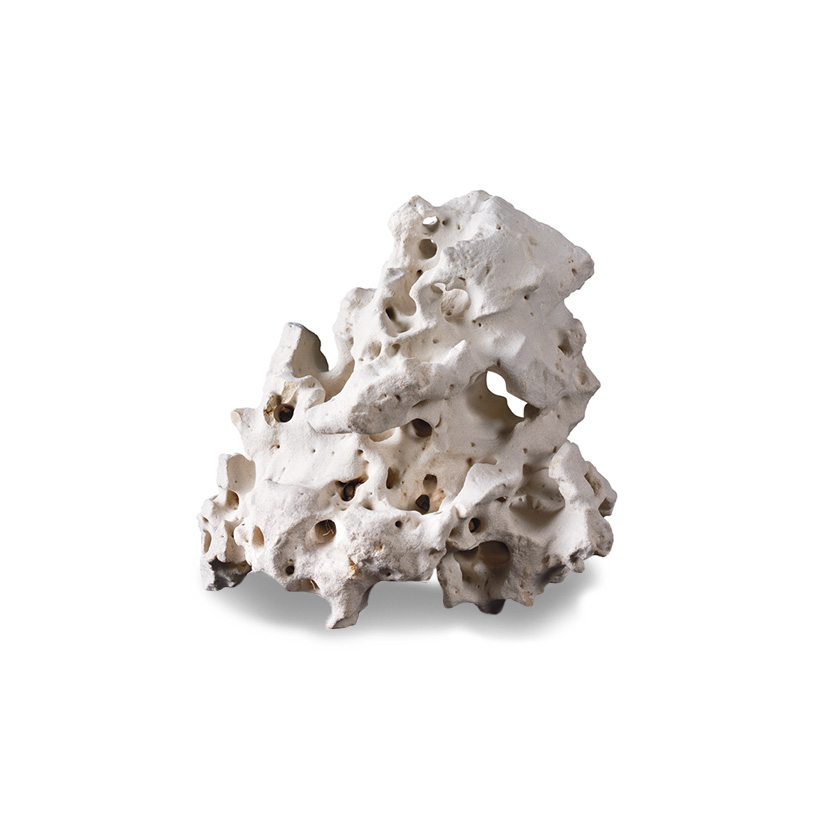
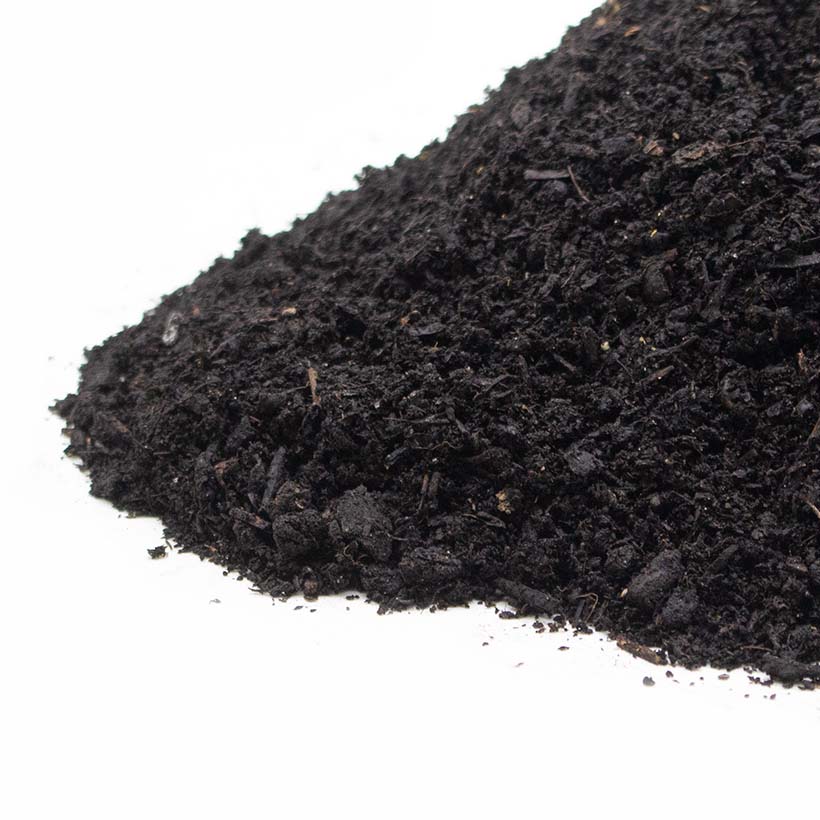
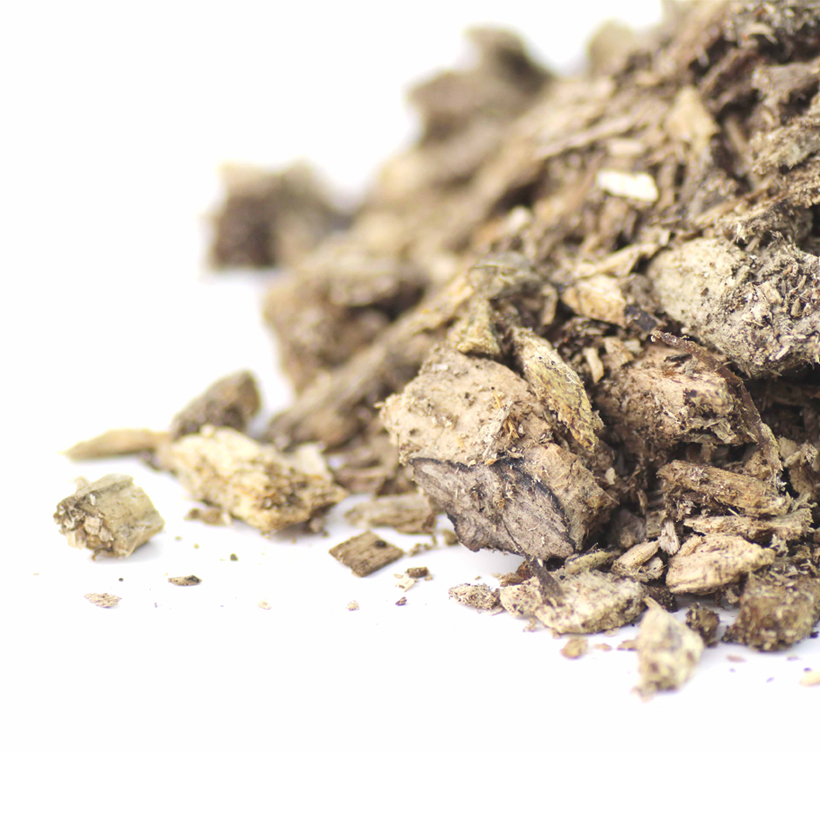
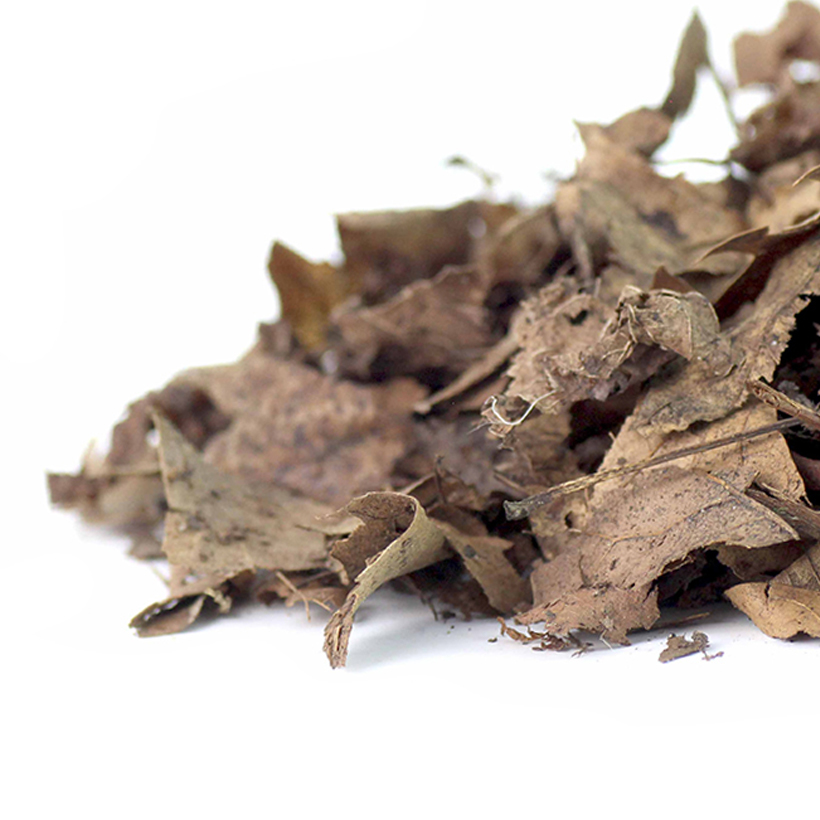
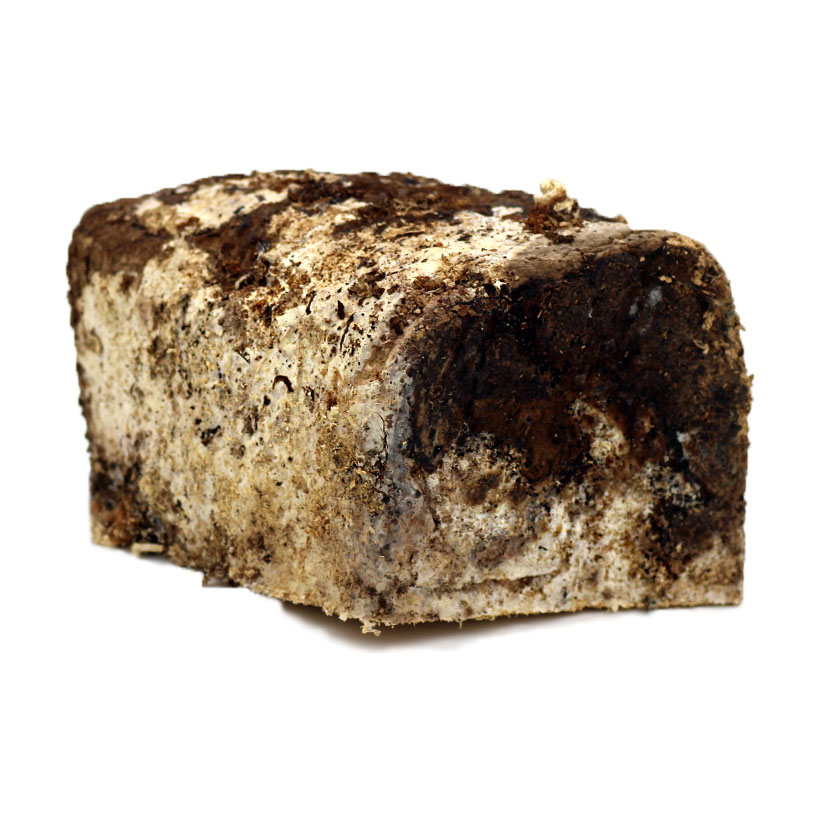
The substrate should consist of nutrient-rich leaf humus with white rotten wood and added lime. They particularly like to use moist retreats such as moss areas or cork caves, while they actively forage in somewhat drier zones. A clear separation between moist and dry areas promotes their well-being and prevents problems such as mold growth.
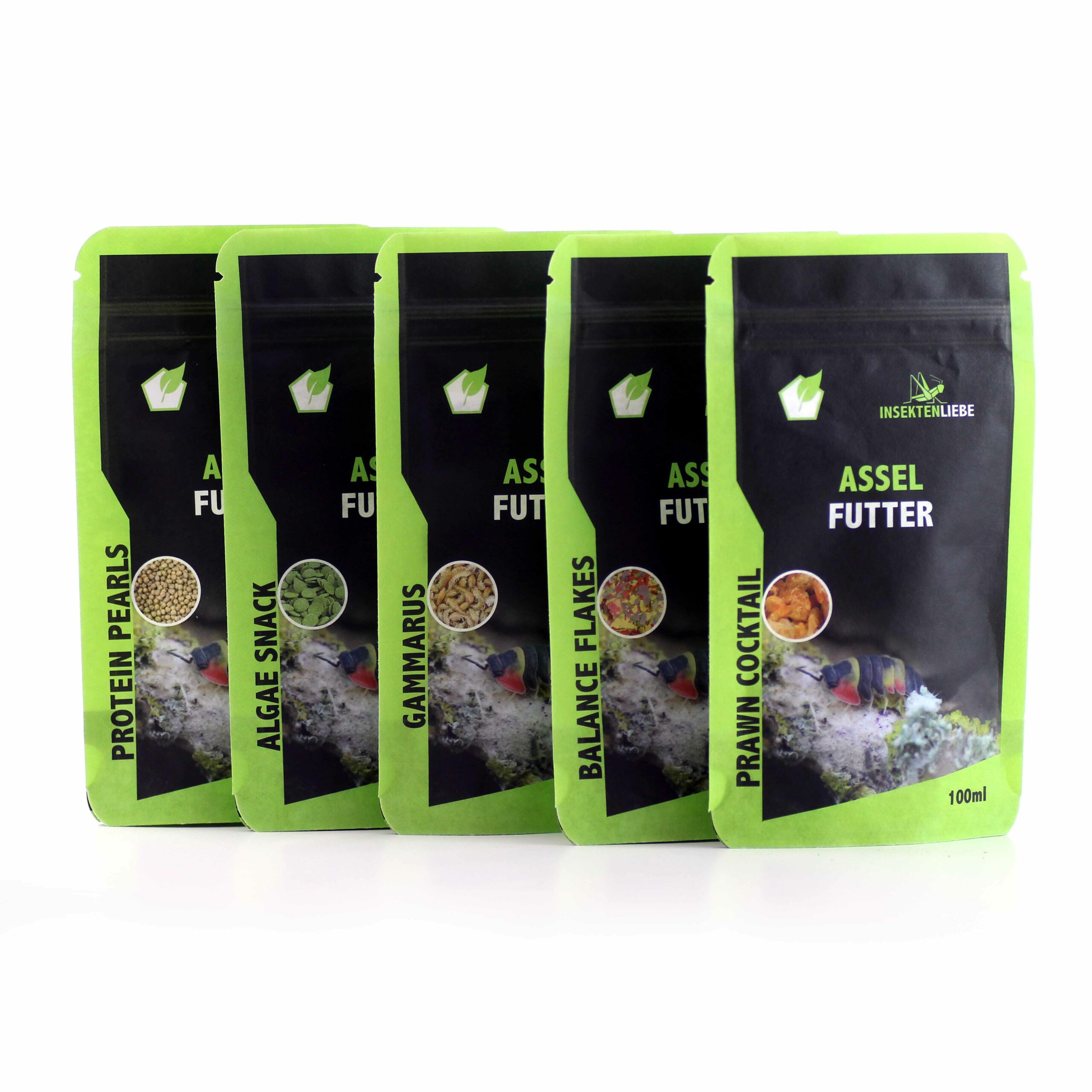
Behaviorally, the “Blue Pigeon” are rather calm, but still curious. They often appear in small groups, especially after the tank has been sprayed. Their feeding behavior makes them valuable scavengers: leaves, rotten wood, fish food or vegetables are readily accepted.
Reproduction of this species is possible under stable husbandry conditions. The females carry their young in the marsupium until they are big enough to explore the terrarium on their own.
Cubaris spec. “Blue Pigeon” is not only a highlight due to its soft coloring, but also a robust and useful species for bioactive setups – perfect for those who want to have a special but easy to care for animal in their collection.
Perfect combined with
-
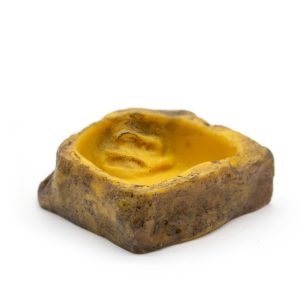
Food bowl
Original price was: 7,99 €.7,49 €Current price is: 7,49 €. incl. VAT, plus shipping