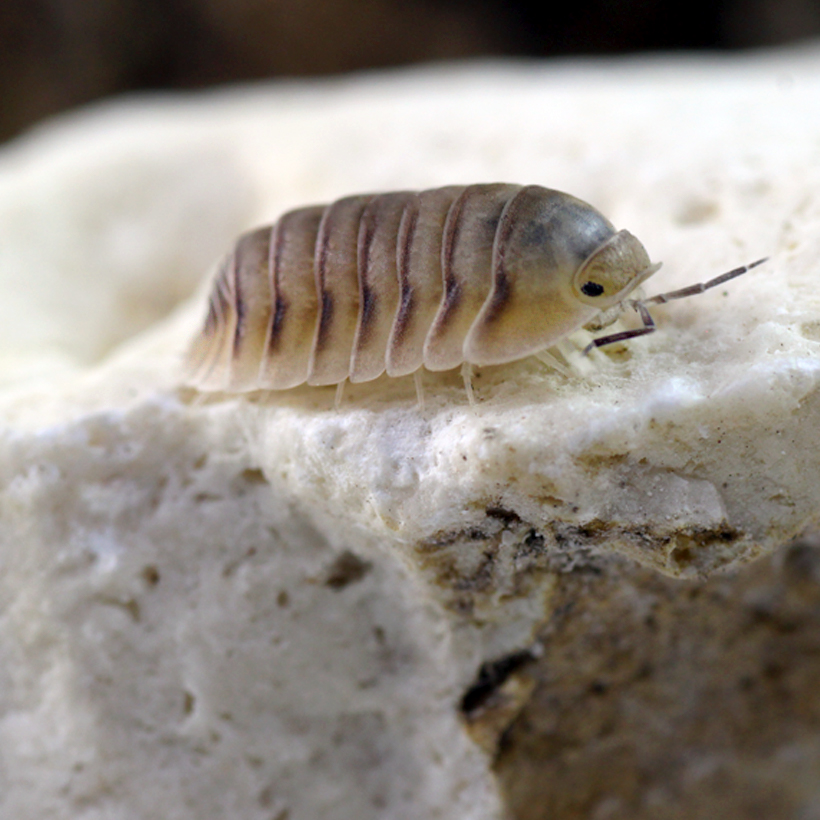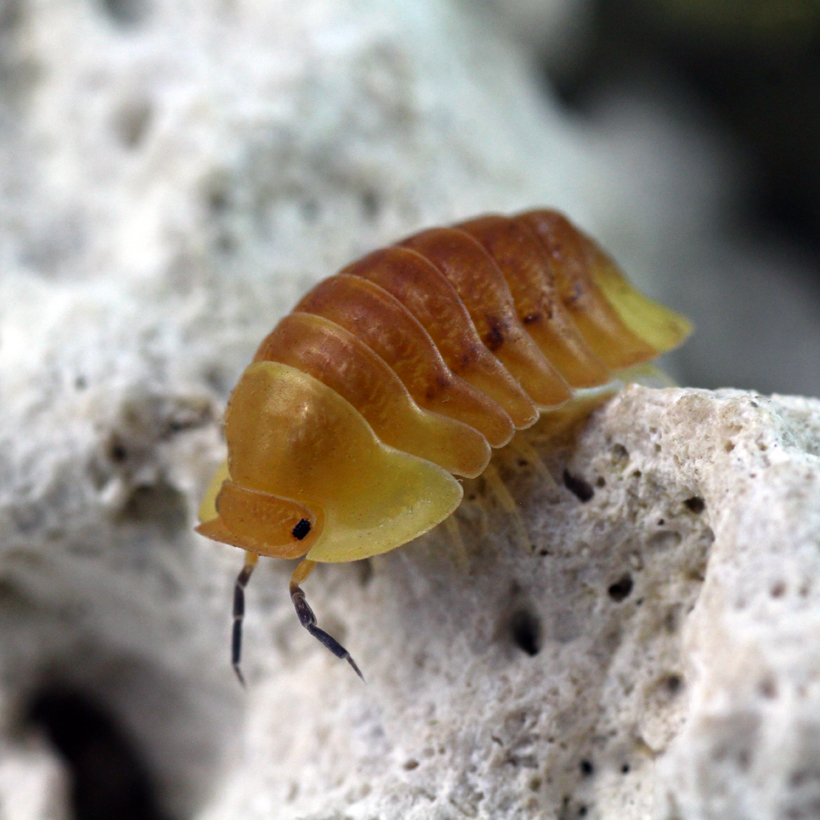




Cubaris spec. “Blonde Rubber Duck” – The bright, charming relative of the Rubber Duck
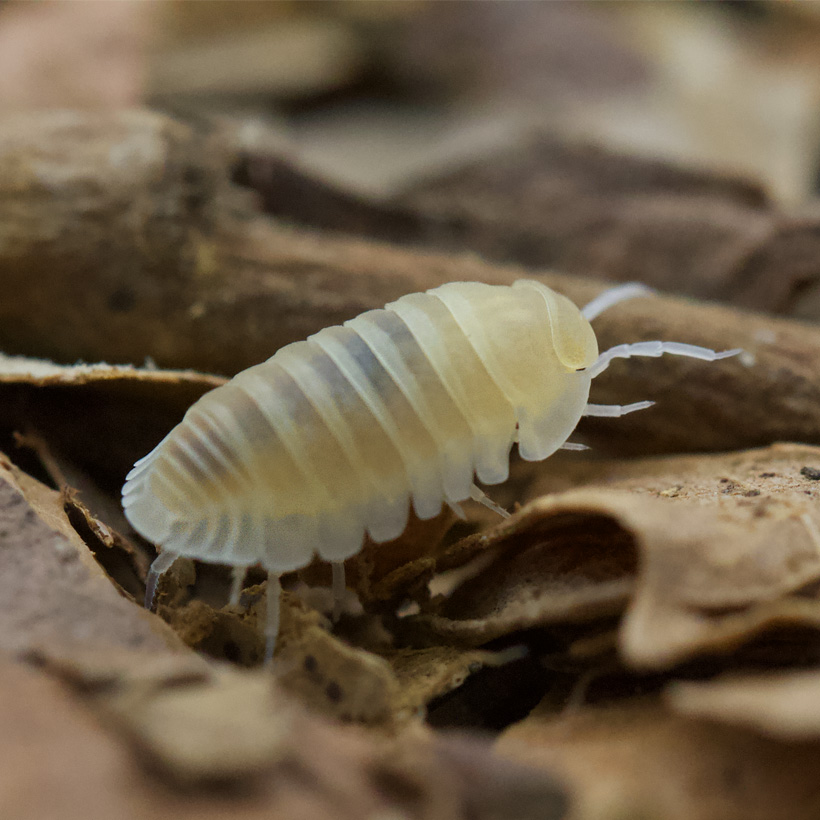
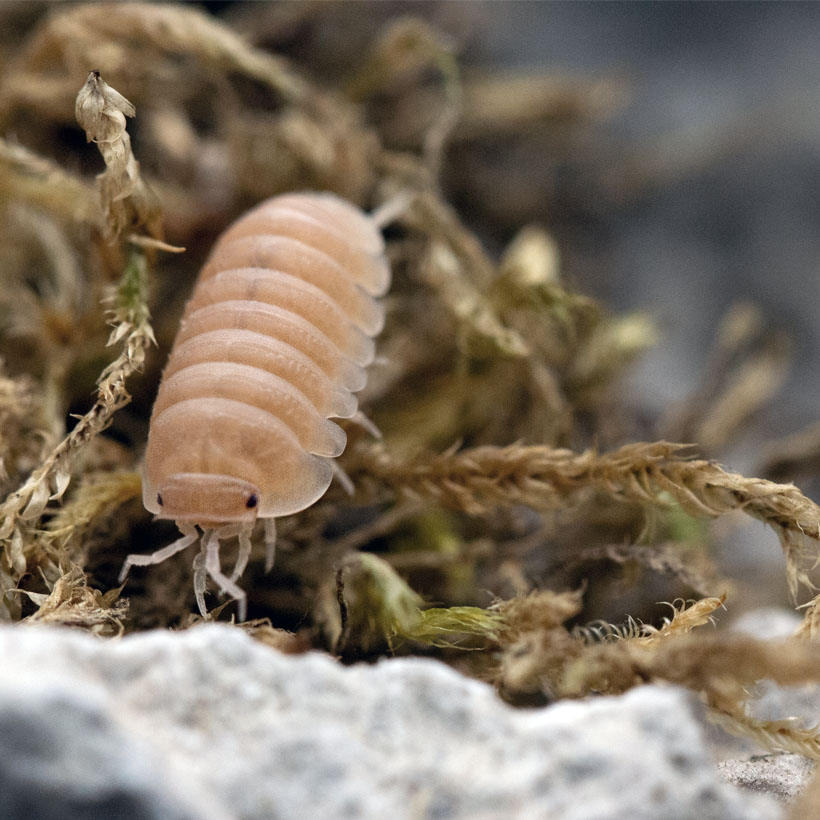
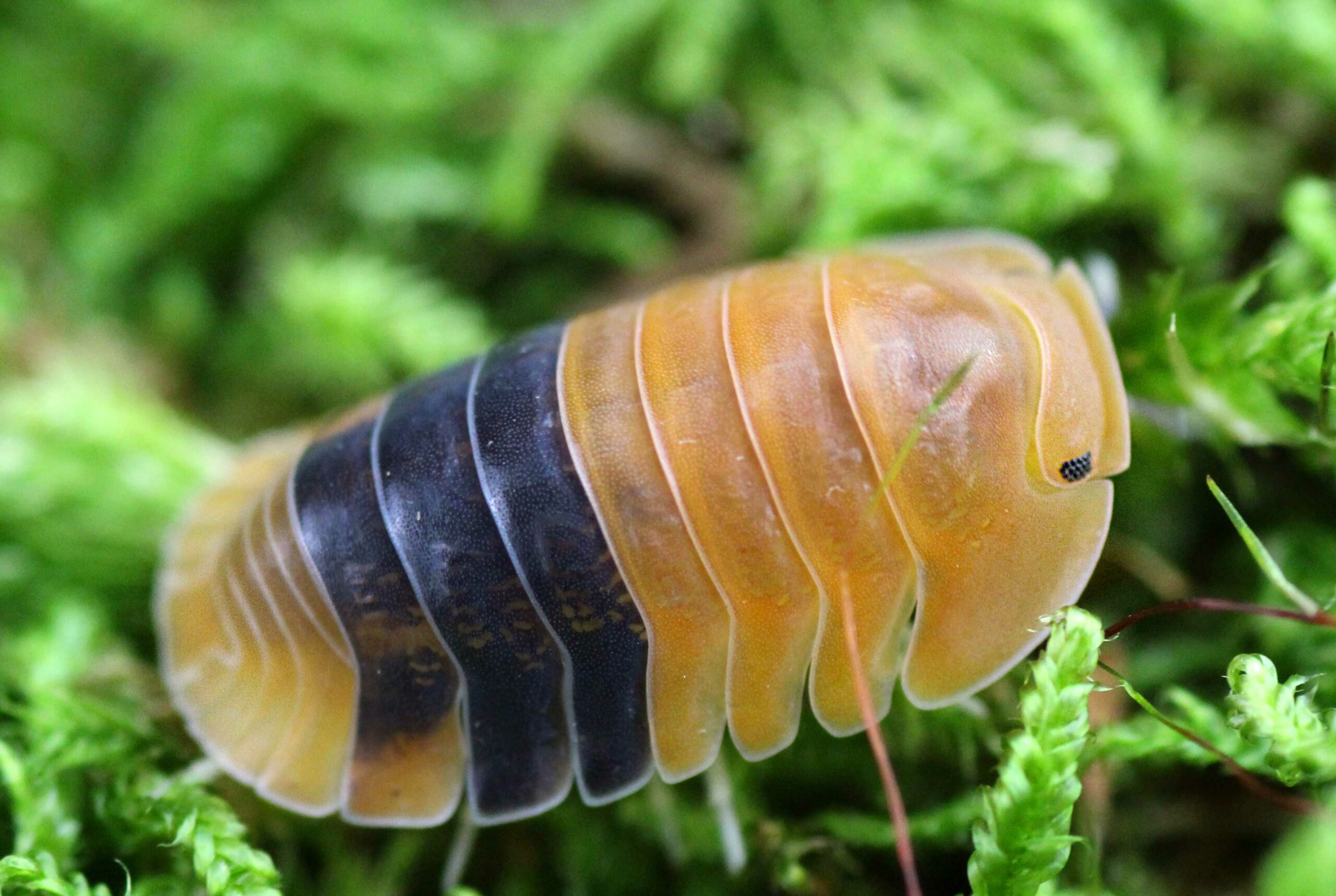
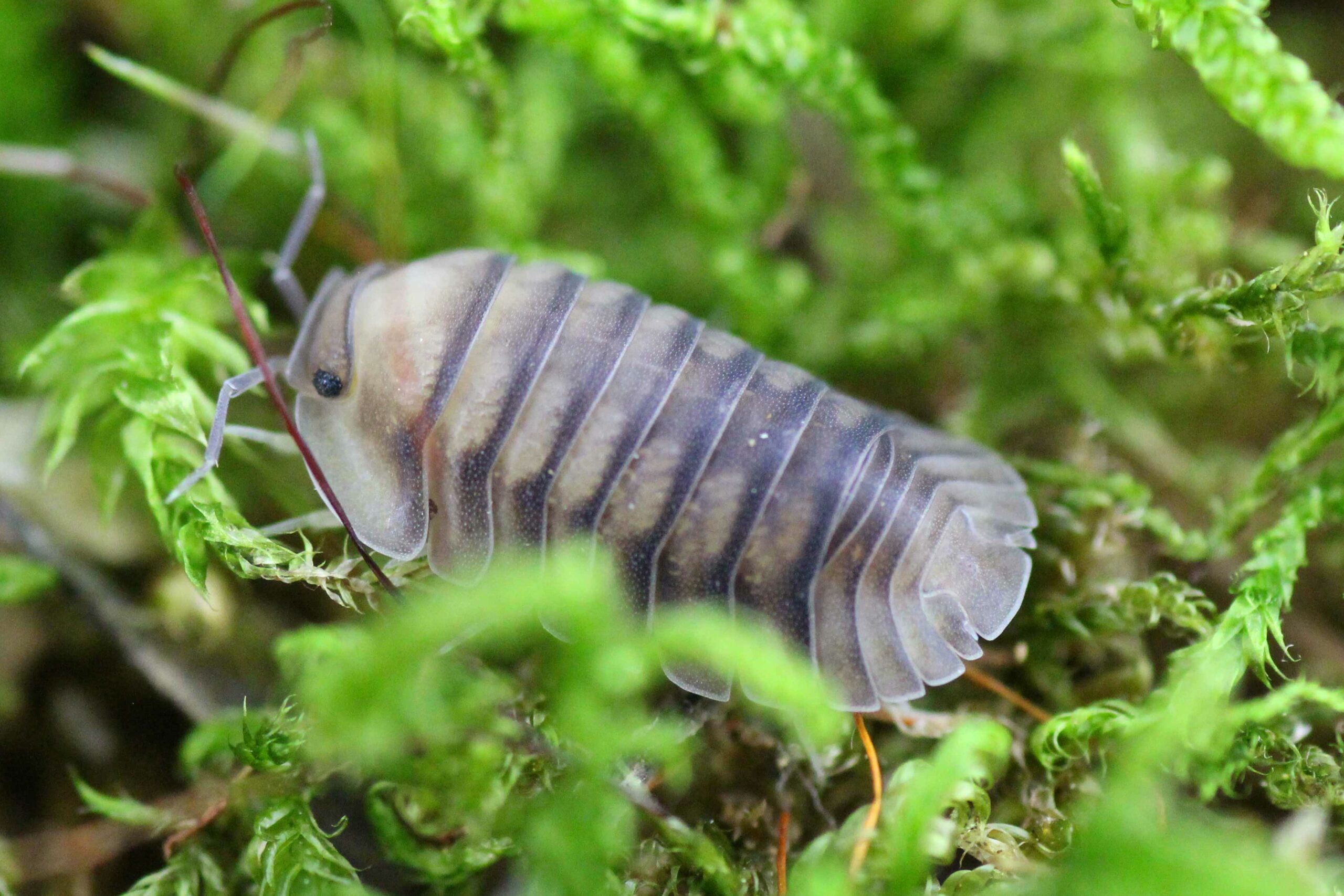
Cubaris spec. “Blonde Rubber Duck” is an unusual color variant that immediately catches the eye. Unlike their darker relatives, these Isopods have a soft, almost pastel base color ranging from light yellow to cream. The typical, slightly upturned “duckbill” face, which gives this species its name, looks particularly friendly and elegant due to the light coloration. This combination makes it one of the most attractive and at the same time rarest forms in Cubaris husbandry.
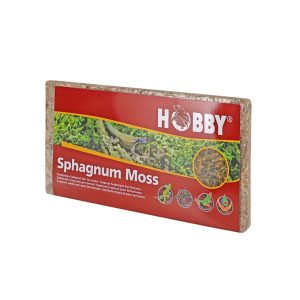
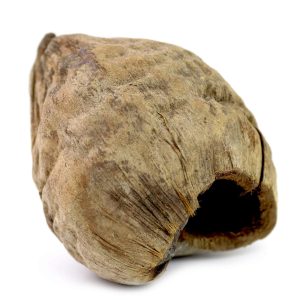
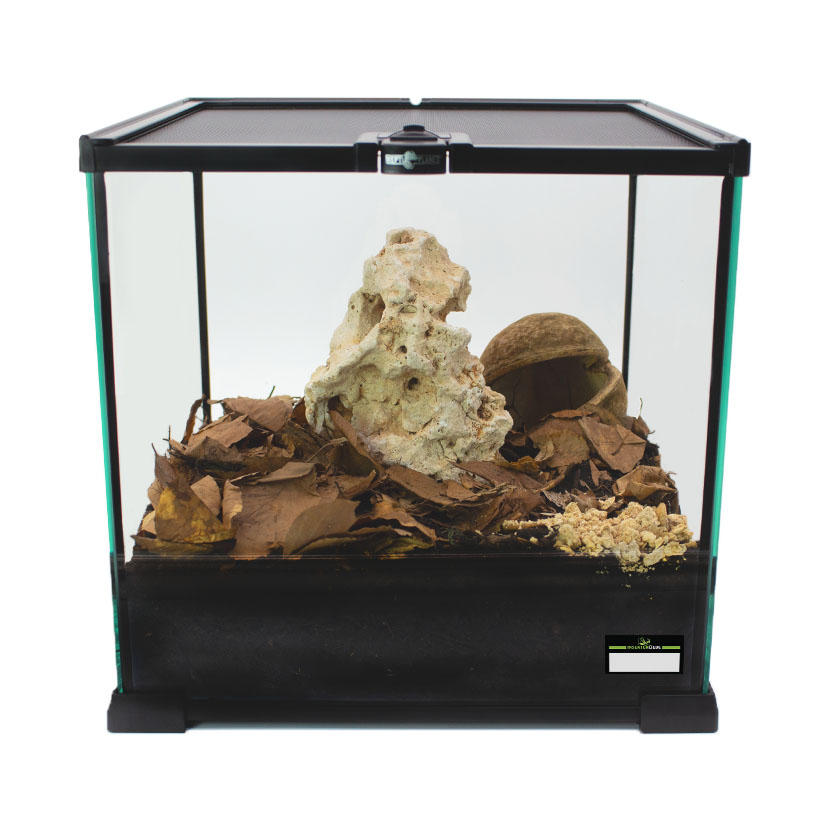
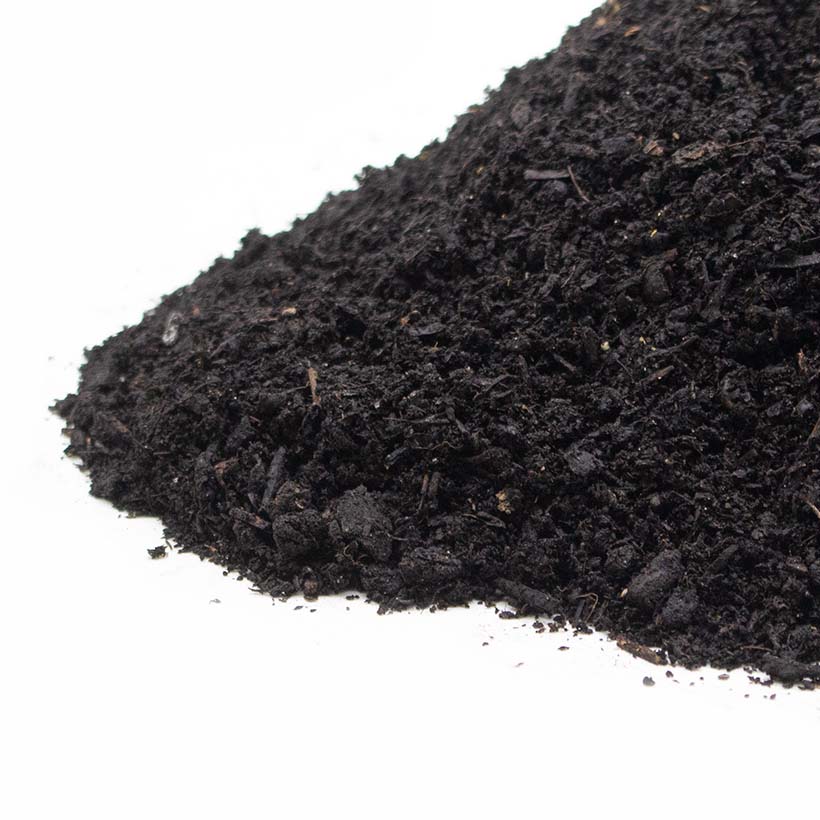
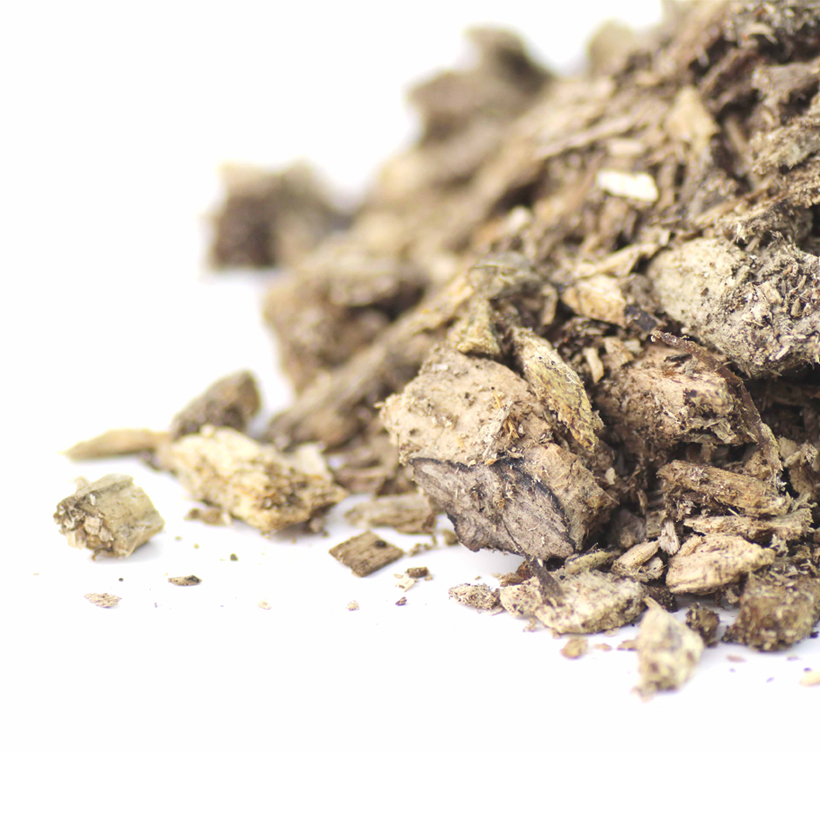
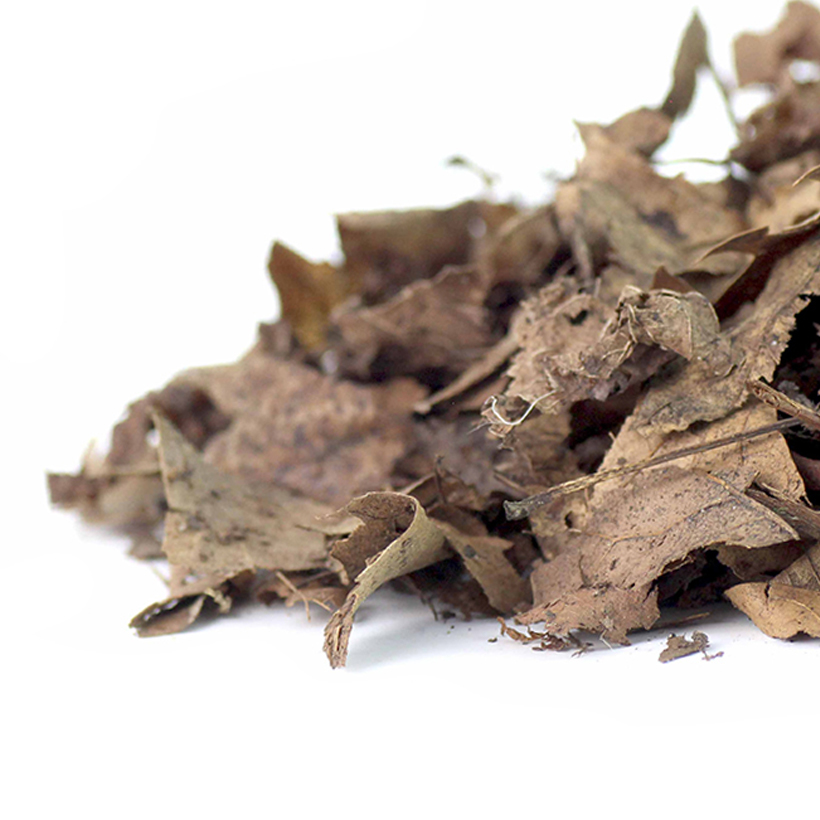
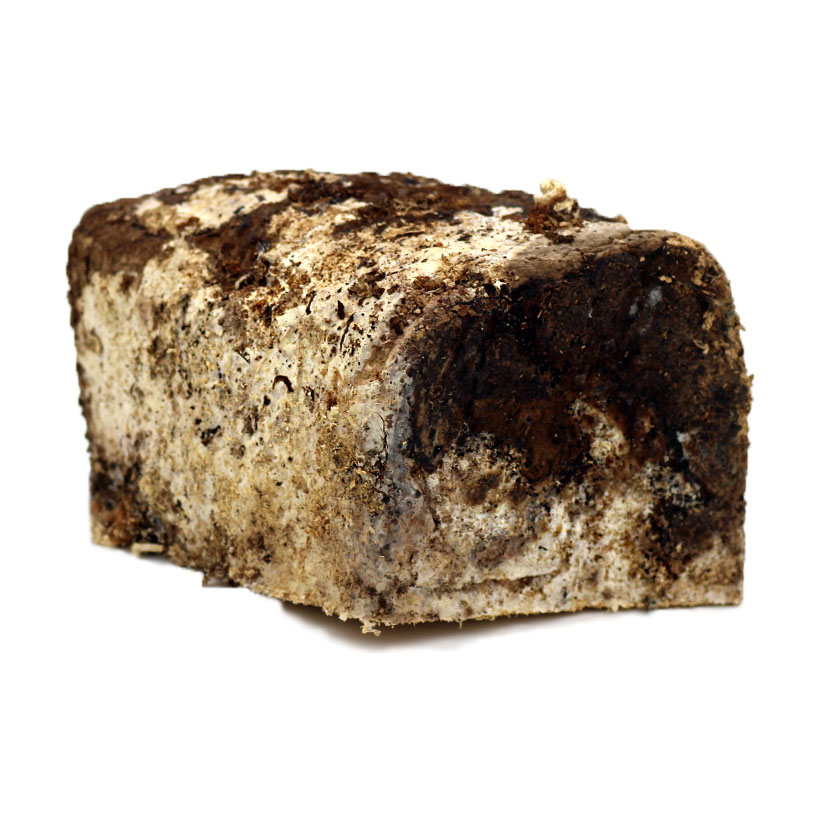
Keeping them requires similar conditions to other Rubber Duck varieties: a permanently high humidity of between 75 and 85%, combined with good ventilation to prevent waterlogging. The terrarium should be varied, with moist moss and leafy areas as well as drier areas where the animals can retreat. A mixture of forest soil, white rotten wood, leaves and cork granules is suitable as a substrate to provide both food and a diggable substrate.
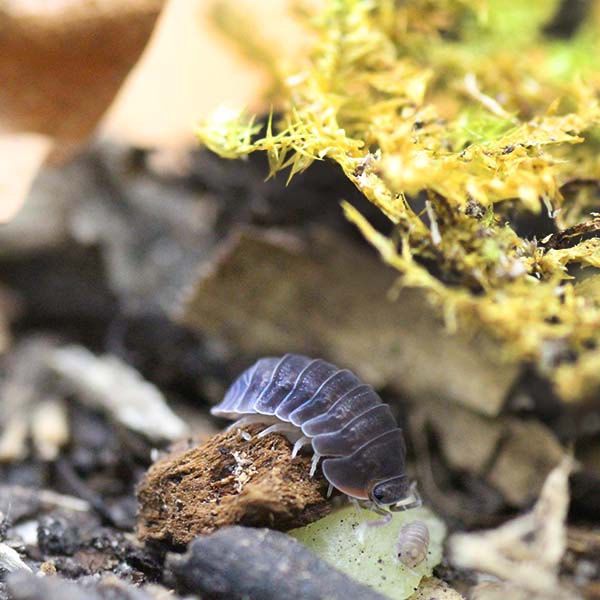
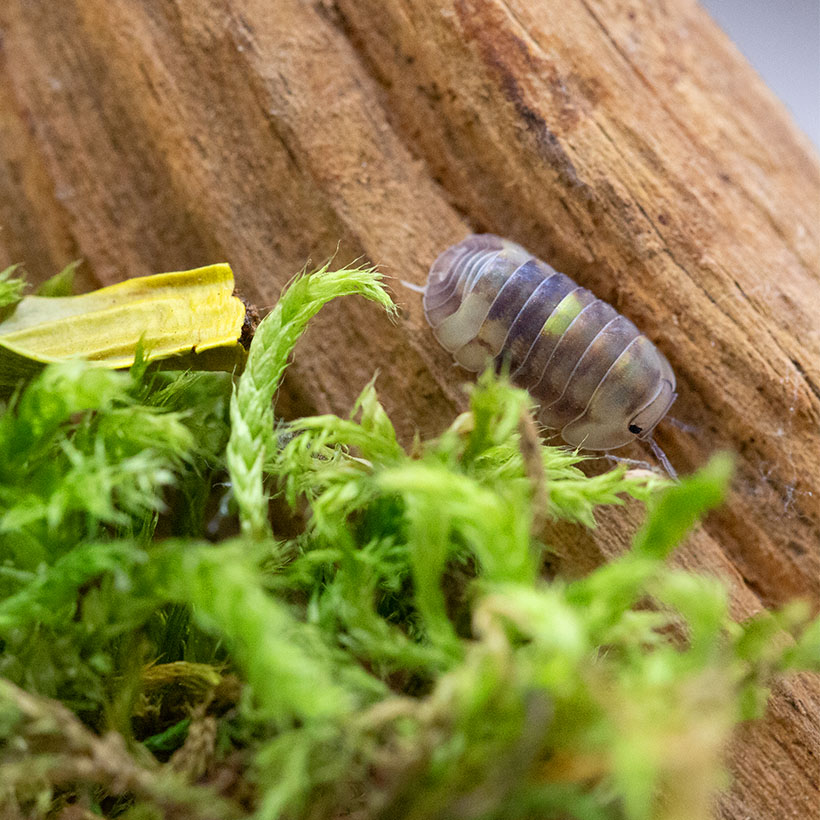
The behavior shows Blonde Rubber Duck rather quiet, but curious as soon as she feels safe. It likes to move between cushions of moss and pieces of wood, where it is easy to observe. Its bright coloration makes it easy to find in the terrarium – a plus point for keepers who want to see their animals regularly.
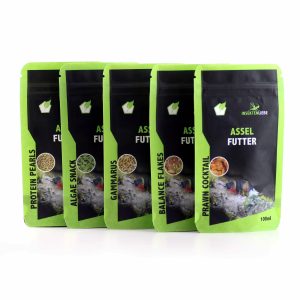
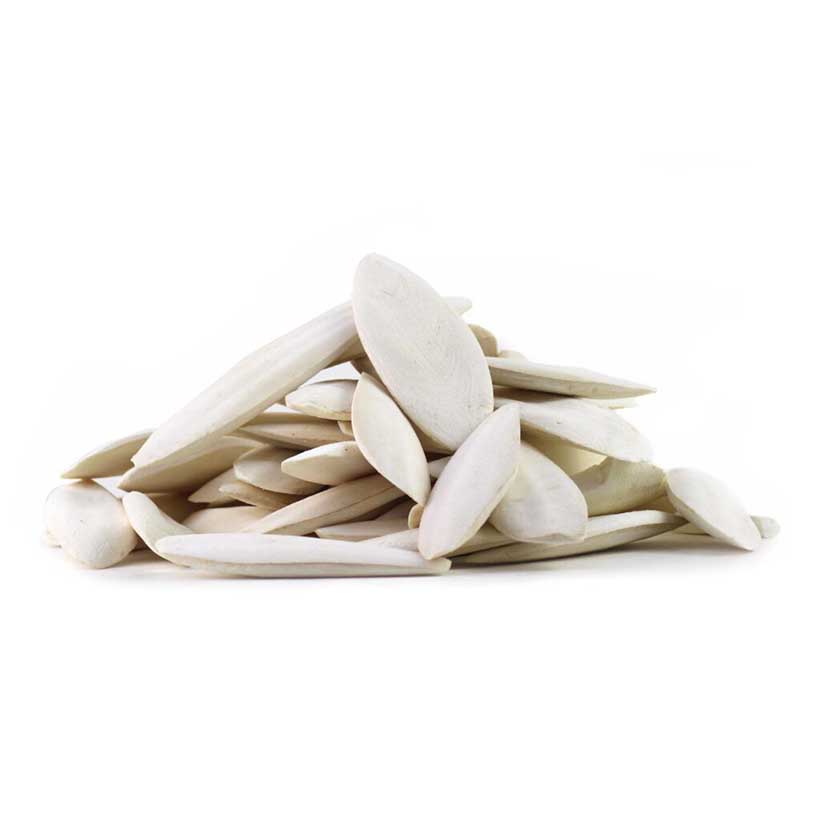
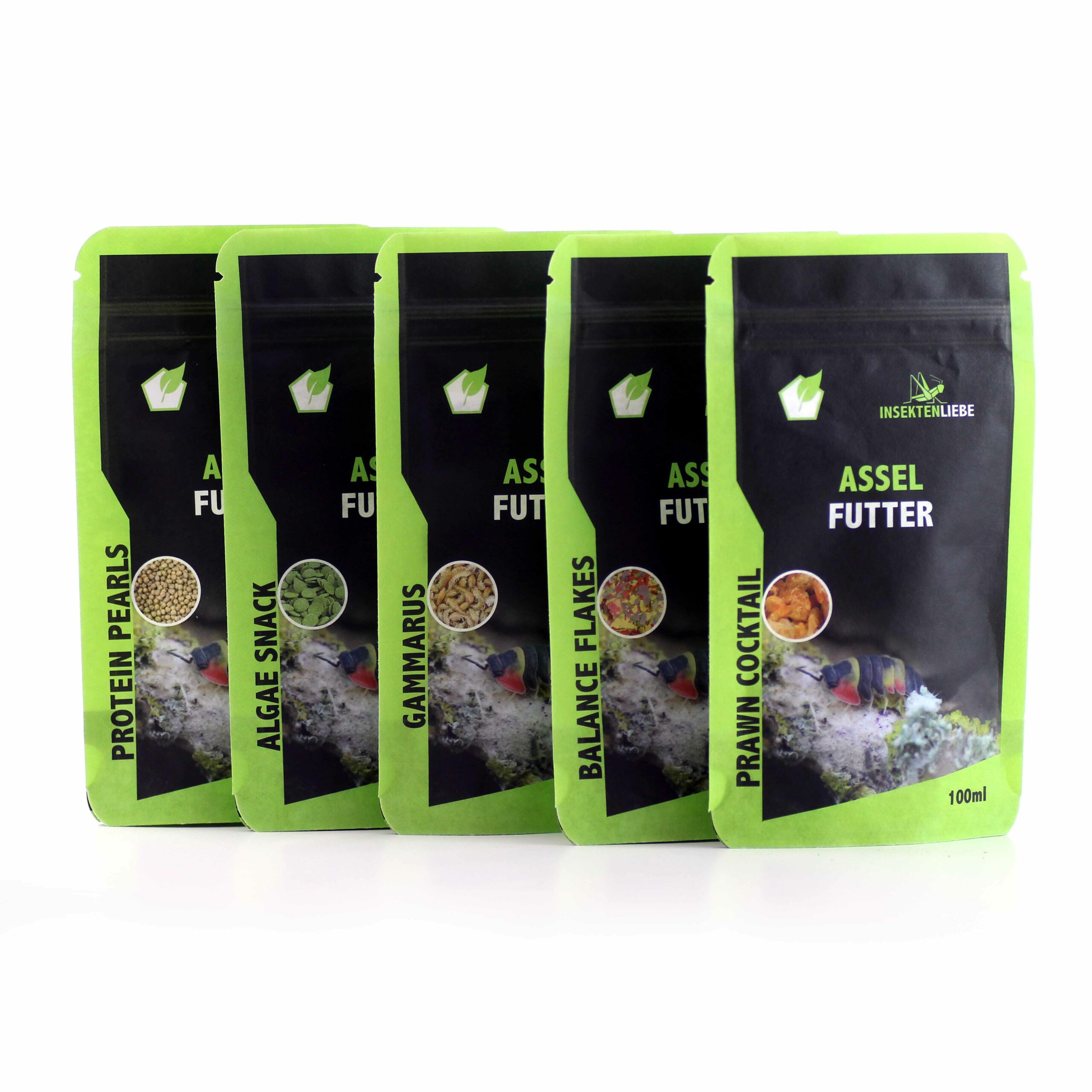
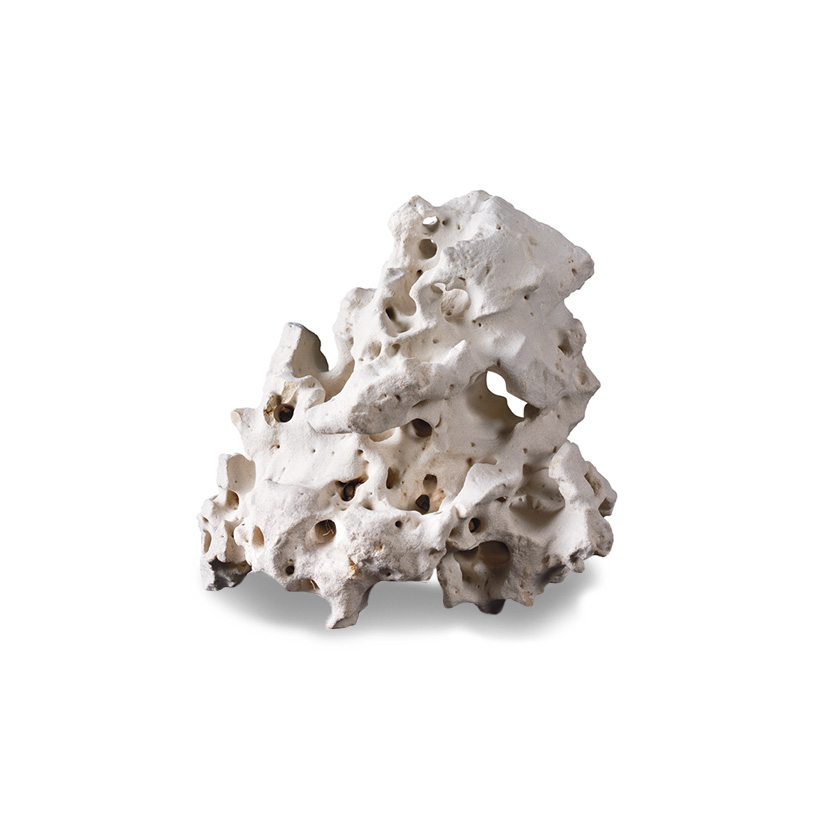
They are not picky when it comes to food: in addition to the organic material contained in the substrate, they are happy to accept additional foliage, vegetables, proteins and calcium sources such as cuttlebone. The light-colored animals in particular benefit from a balanced diet that keeps their coloration clear and bright.
Cubaris spec. “Blonde Rubber Duck” is not only a functional component in the bioactive terrarium, but also a real eye-catcher. If you are looking for a rare, visually striking and at the same time useful isopod species, this is the perfect candidate. With the right care, this bright beauty will give pleasure for a long time and visually enhance any setup.