Type highlaena seladonia
Price range: 99,00 € through 139,00 € incl. VAT, plus shipping

Medium

Brazil

< 30 mm

24°C – 28°C
Typhochlaena seladonia – The jewel bird spider of Brazil
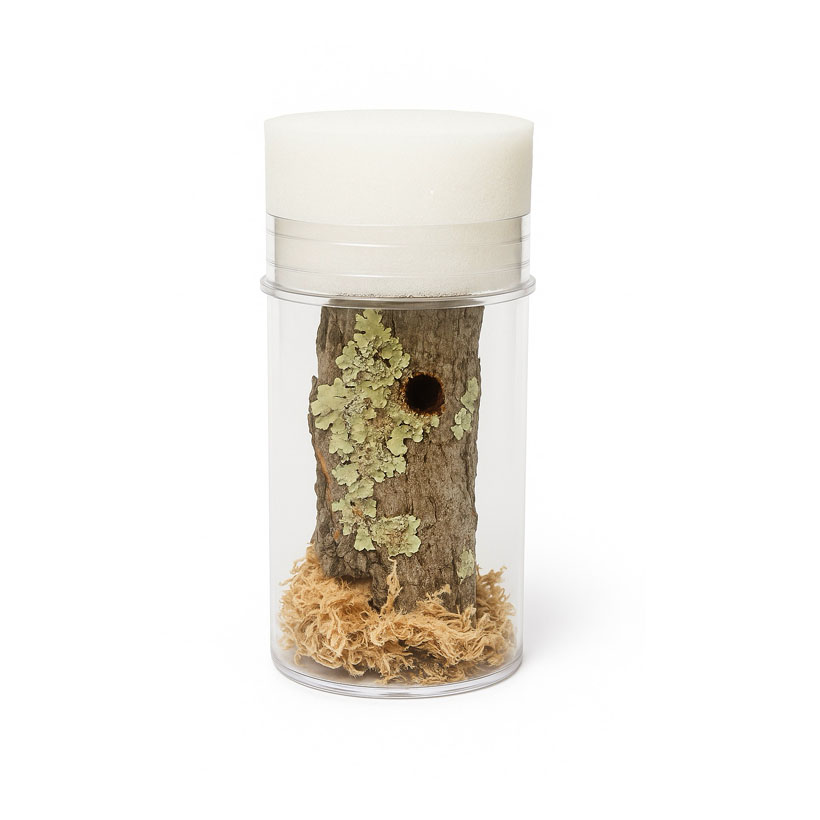
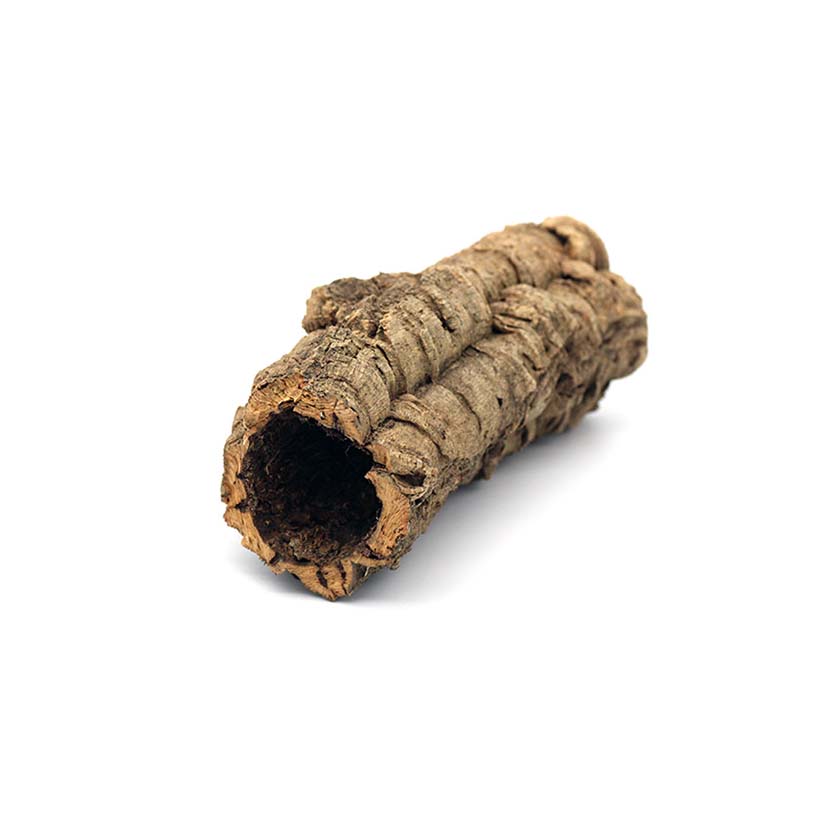
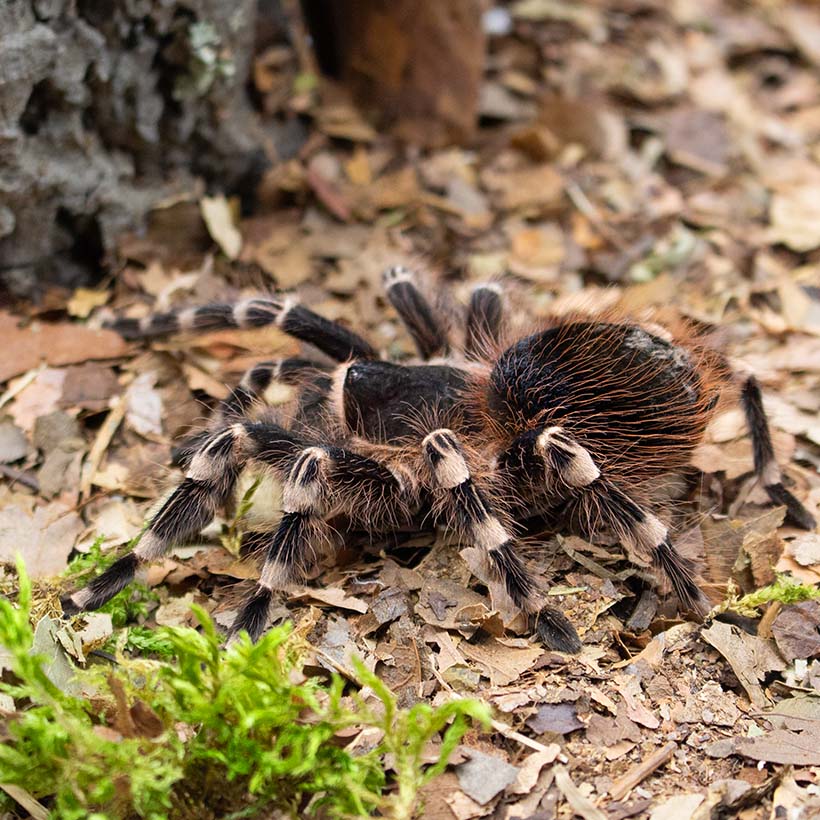
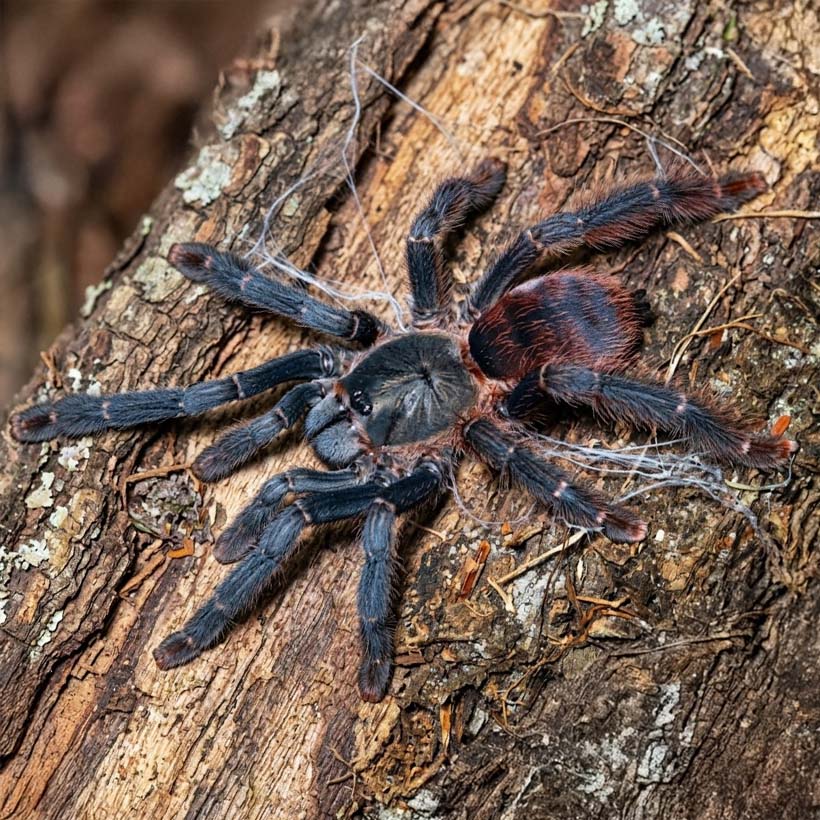
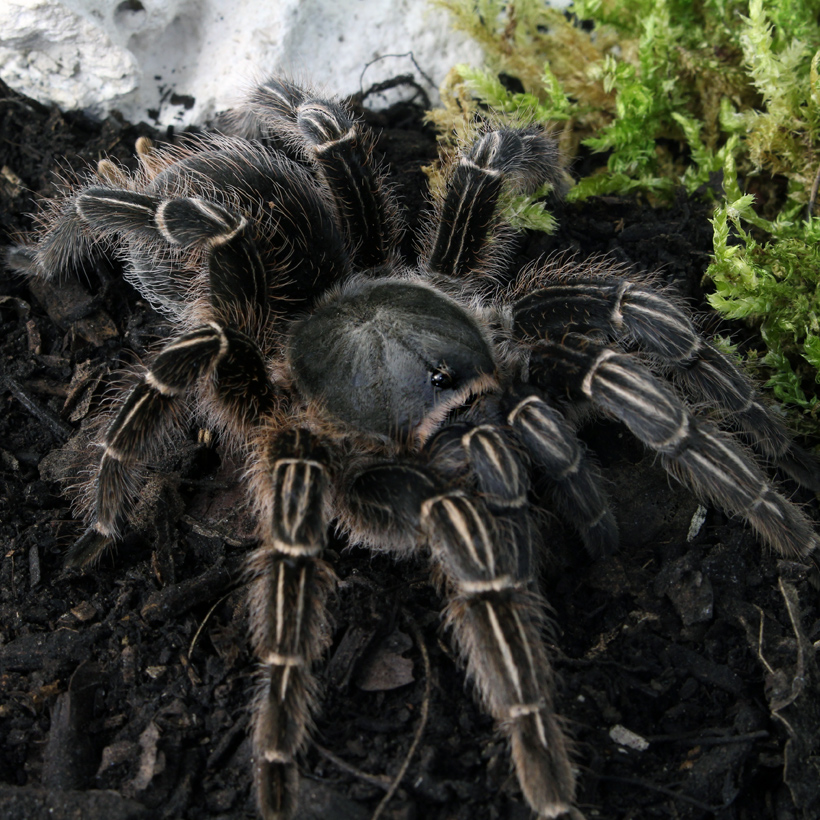
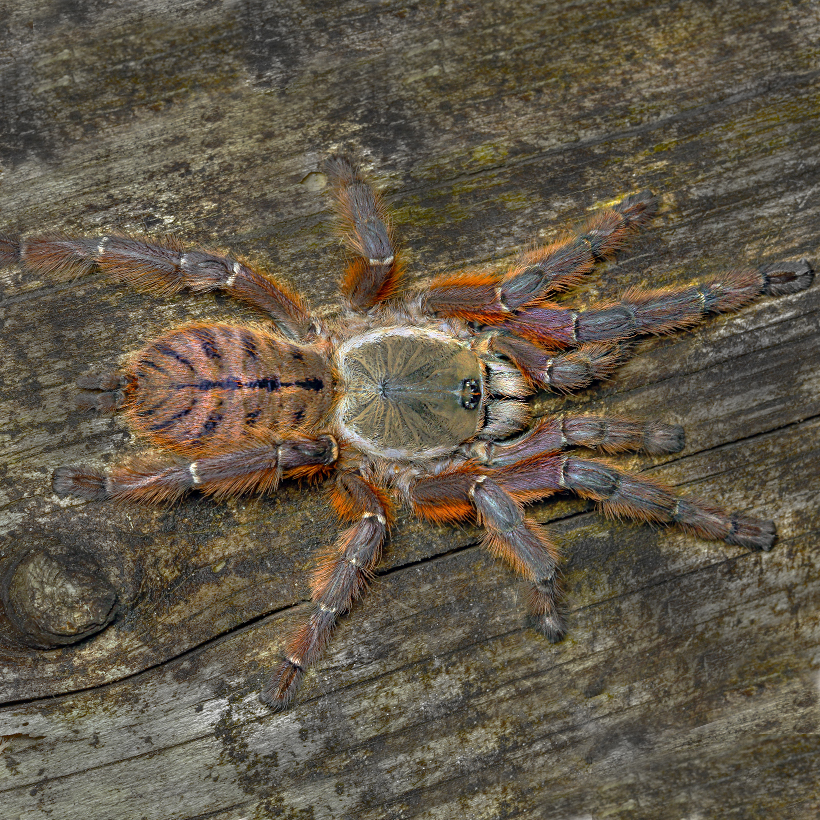
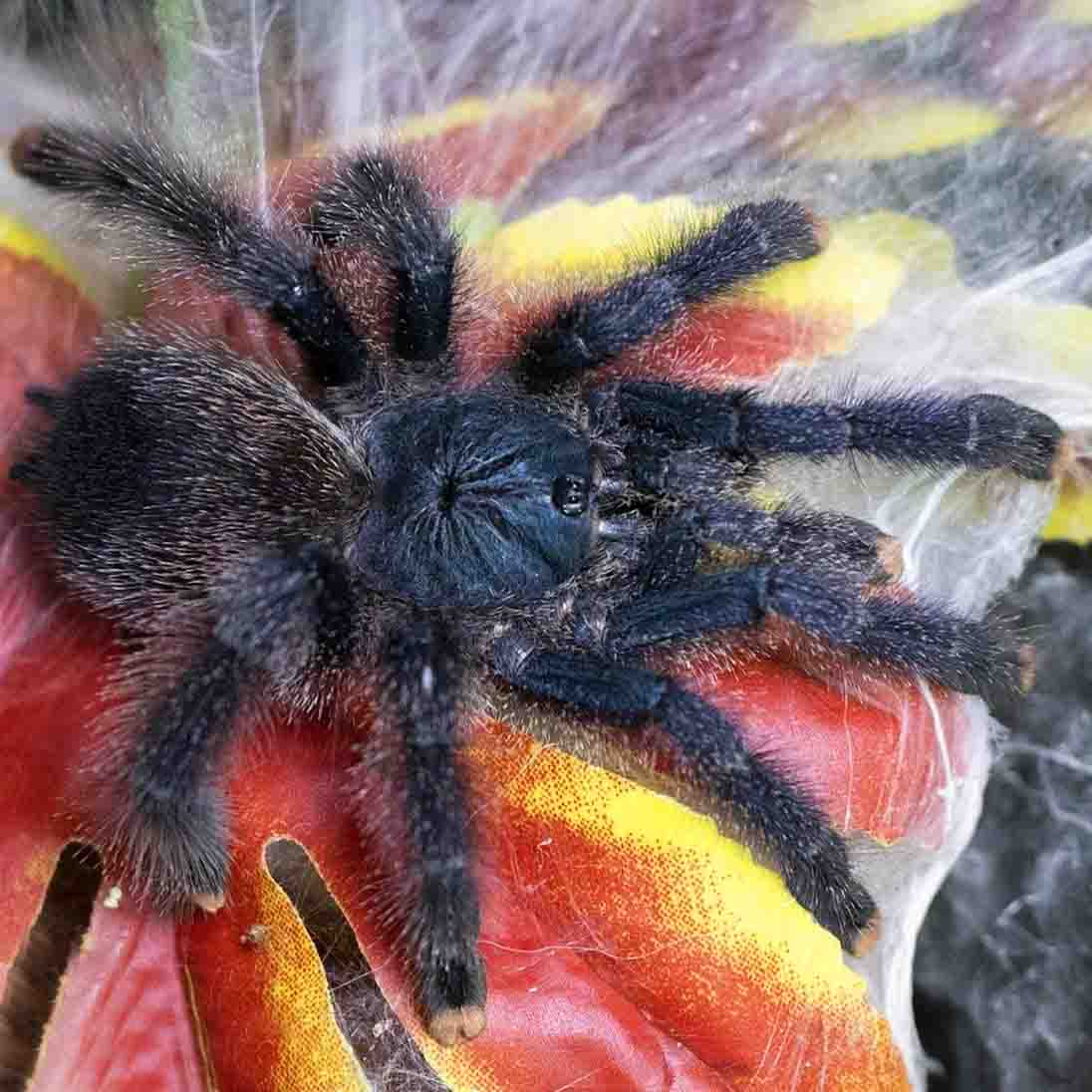
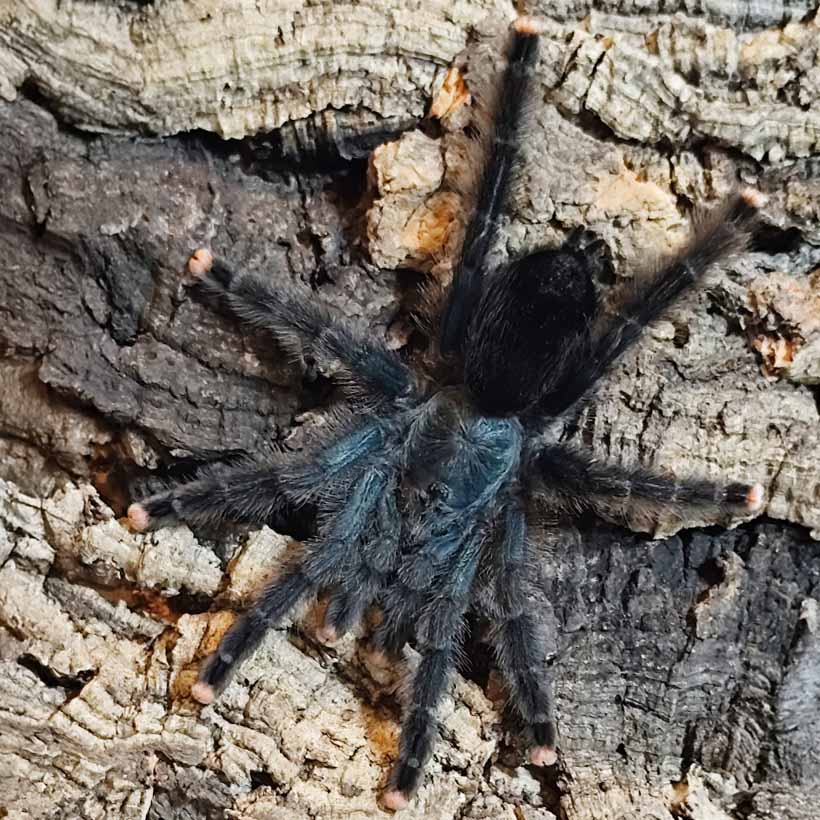
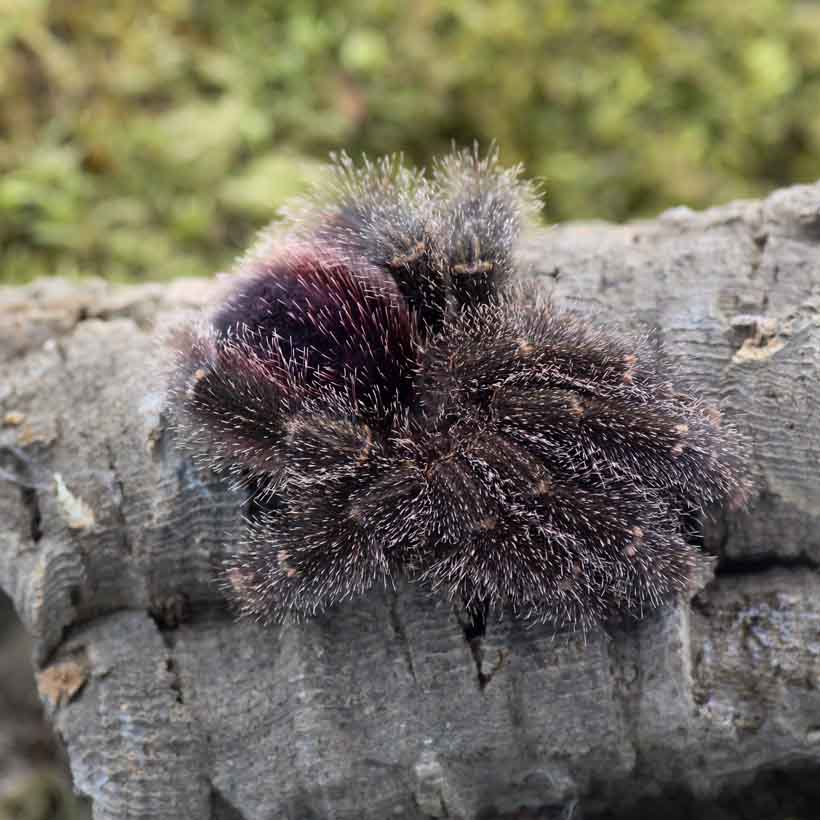
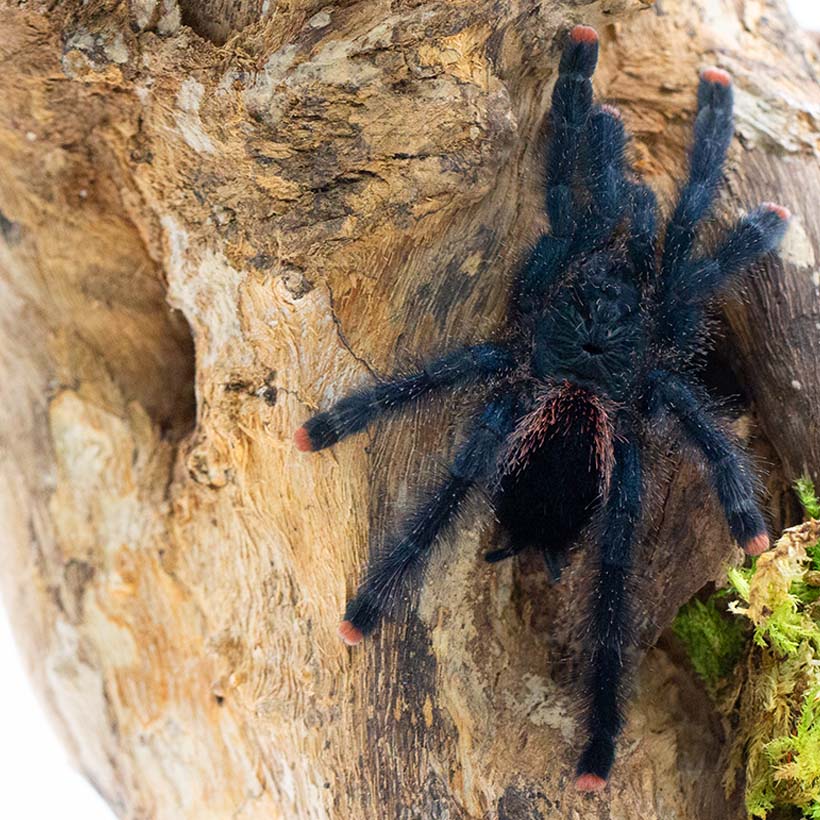
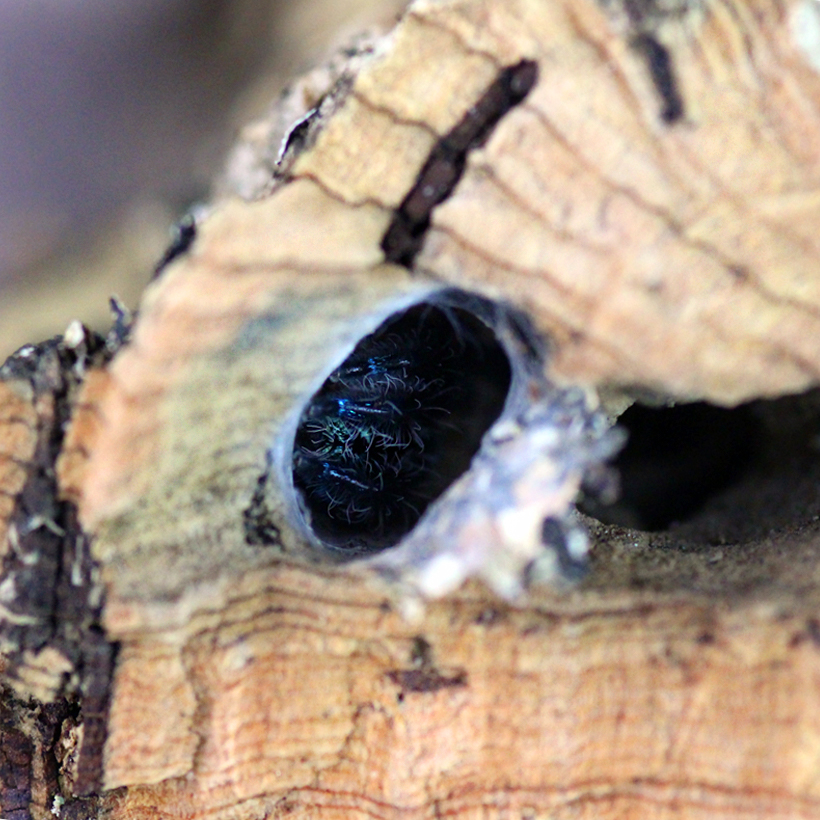
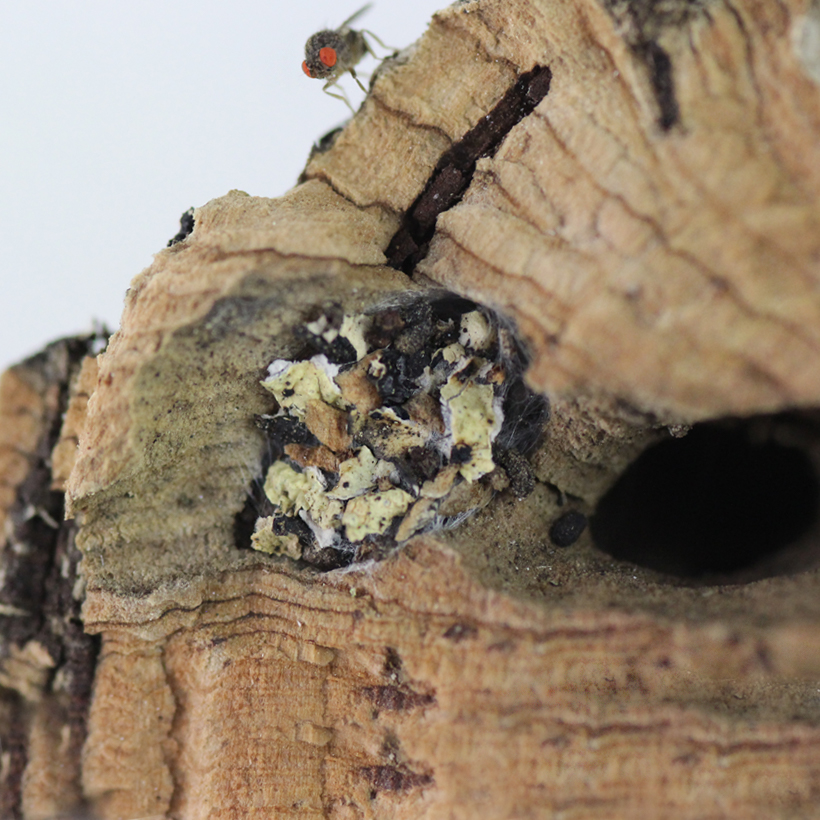
The Typhochlaena seladonia is one of the most spectacular and fascinating tarantula species in the world. Originally from the Atlantic rainforests of Brazil, it is known for its breathtaking coloration and extraordinary way of life. The female can reach a body length of up to 3 cm, the wingspan of the legs is usually around 6-7 cm. What makes them special, however, is not only their dazzling appearance, but also their unique construction of tubular burrows in tree bark or cork tubes, which they artfully close with a lid made of spider silk – similar to a trapdoor spider.
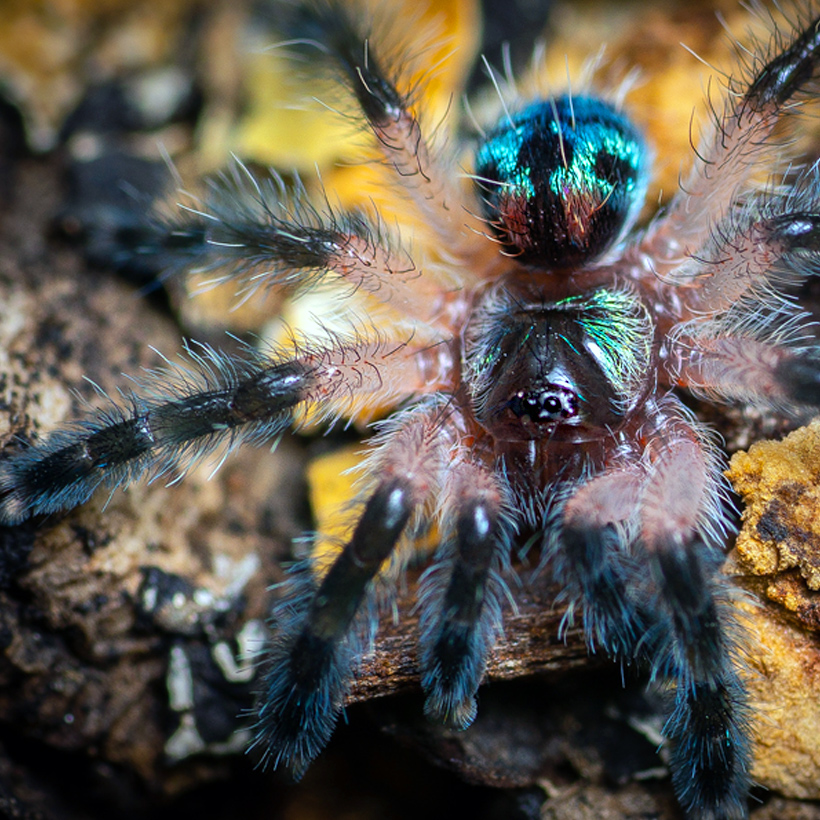
Their coloration is a true work of art of nature. The shimmering green, combined with metallic blue and turquoise tones and a striking pattern on the abdomen, makes it a living jewel in the terrarium. This color intensity is particularly effective under good lighting and is one reason why this species is highly sought after by enthusiasts.
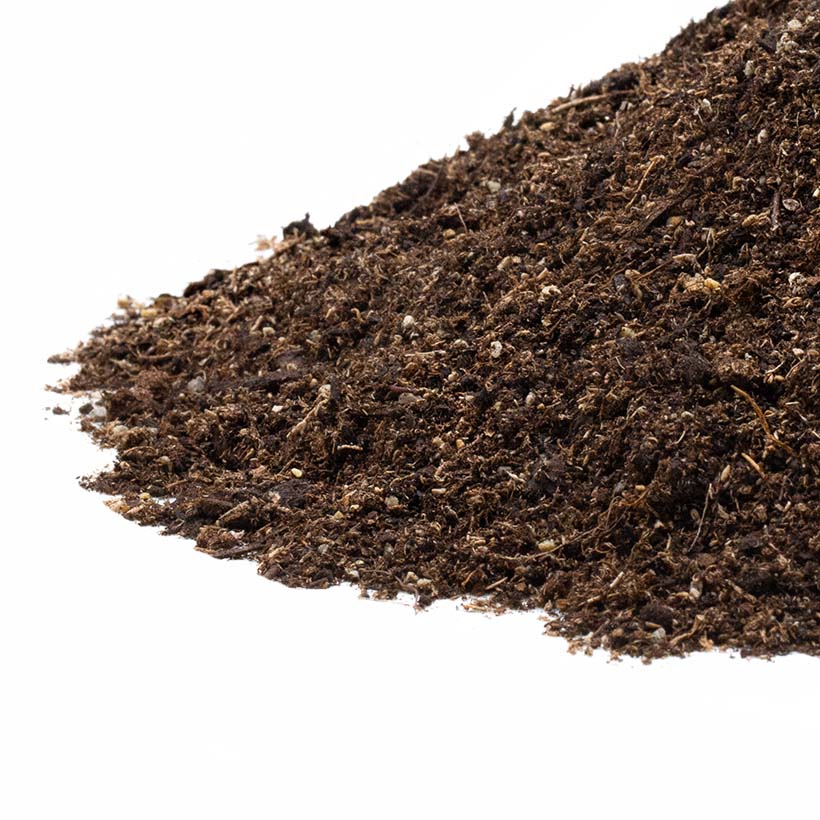
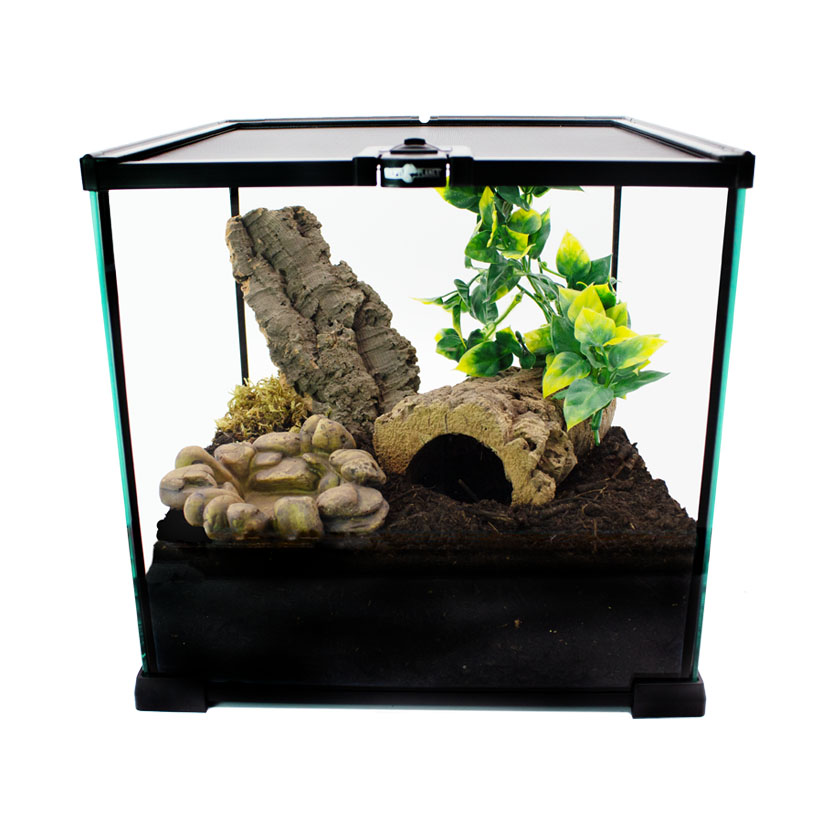
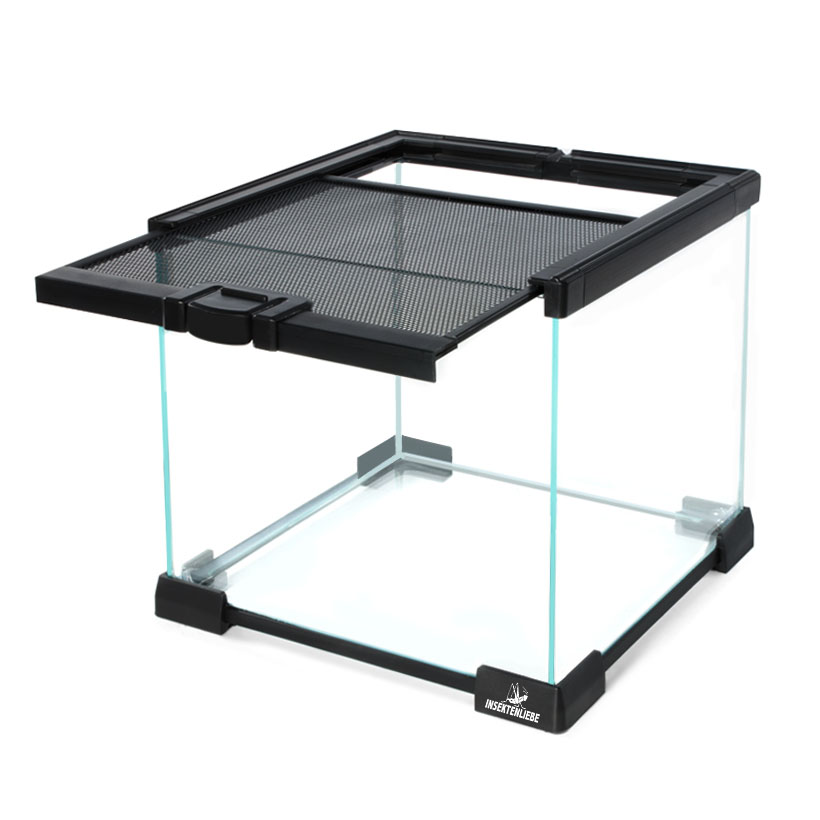
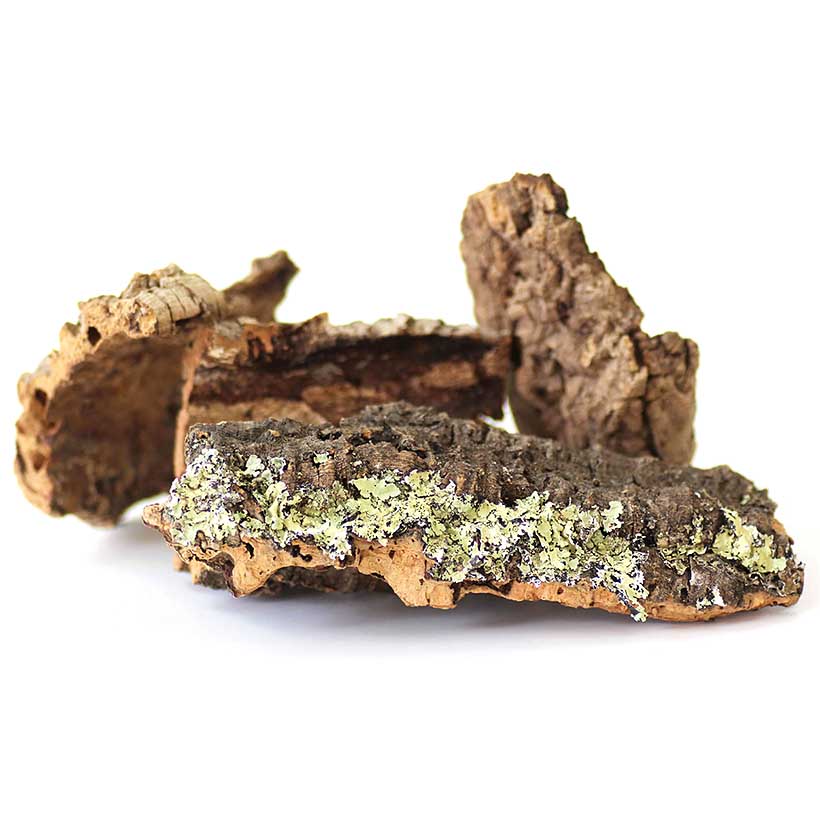
When kept, Typhochlaena seladonia requires a well-ventilated high terrarium with sufficient climbing opportunities and plenty of hiding places. Cork tubes or pieces of bark are a must, as this is where it builds its characteristic burrows. The substrate should be slightly moist, but never wet, and a moderate humidity of 70-80% is recommended. A temperature between 24 and 28 °C ensures optimum conditions.
Feeding is uncomplicated as it accepts small food insects such as crickets, cockroaches or flies without any problems. Due to their rather small size, small food animals should be chosen. Their behavior is predominantly shy and defensive, but they can often be seen hunting or tending their burrow – a fascinating spectacle for any keeper.
Breeding this species is demanding and requires experience, as the young animals react very sensitively to husbandry errors. However, anyone who pays close attention to their needs will be rewarded with a unique, rare and visually incomparable species that is unparalleled in the terrarium hobby.
This tarantula is not just an animal, but a real gem that will turn any well-managed terrarium into an eye-catcher.