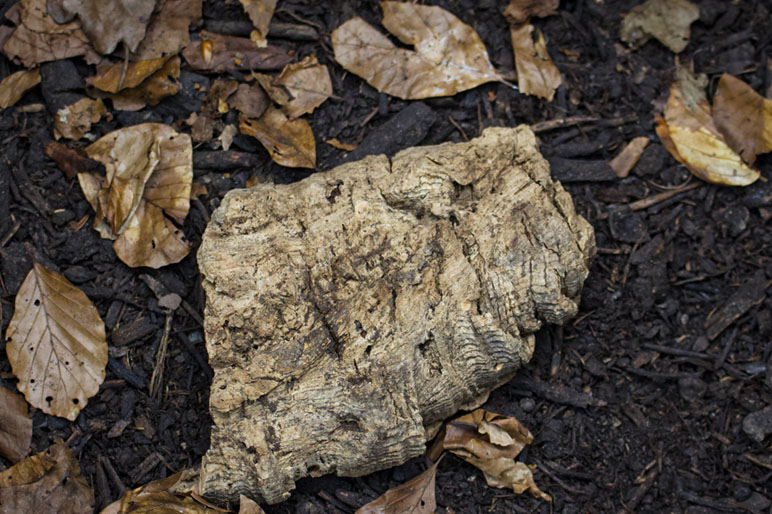


You look into your lovingly decorated terrarium and eagerly await to see your animals – but instead you see… nothing. No crawling, no movement, everything seems empty. Many keepers know exactly this situation and ask themselves: Why is nobody showing up?
Understanding natural behavior
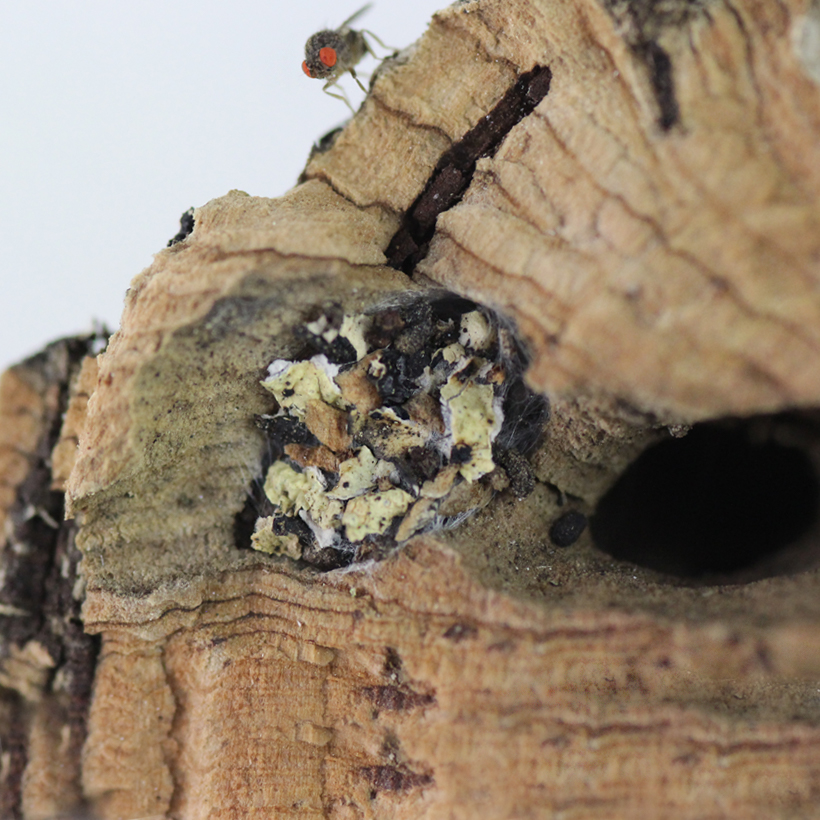
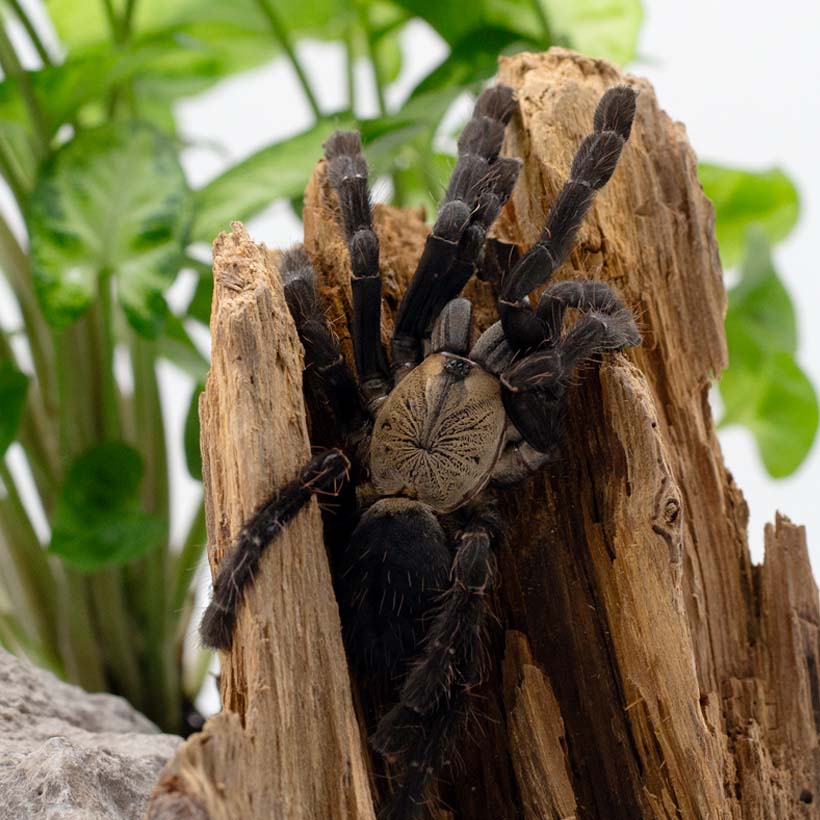
In fact, the behavior of most terrarium animals is naturally characterized by retreat. Many species such as Isopods, jumping spiders or millipedes are crepuscular or nocturnal. So if you take a look in the terrarium during the day, they are most likely sleeping in their hiding places. Isopods in particular prefer to be hidden under leaves, wood or moss, as this is where they feel safest in nature. Jumping spiders also like to retreat to their self-made nests, especially during moulting or after a sumptuous meal. Species such as Typhochlaena seladonia in particular, which live extremely hidden lives in the wild and create elaborate burrows, rarely show themselves openly even in the terrarium.
Settling in takes time
Especially when animals have just moved in, it is completely normal that they hardly show themselves at first. The new environment, unfamiliar smells and lighting conditions are stressful, and every animal deals with this situation differently. It can take a few days or even weeks for a new animal to settle in. During this phase, it is important that you leave it alone as much as possible, even if its curiosity is naturally high. Any disturbance prolongs the acclimatization period.
Retreats create security
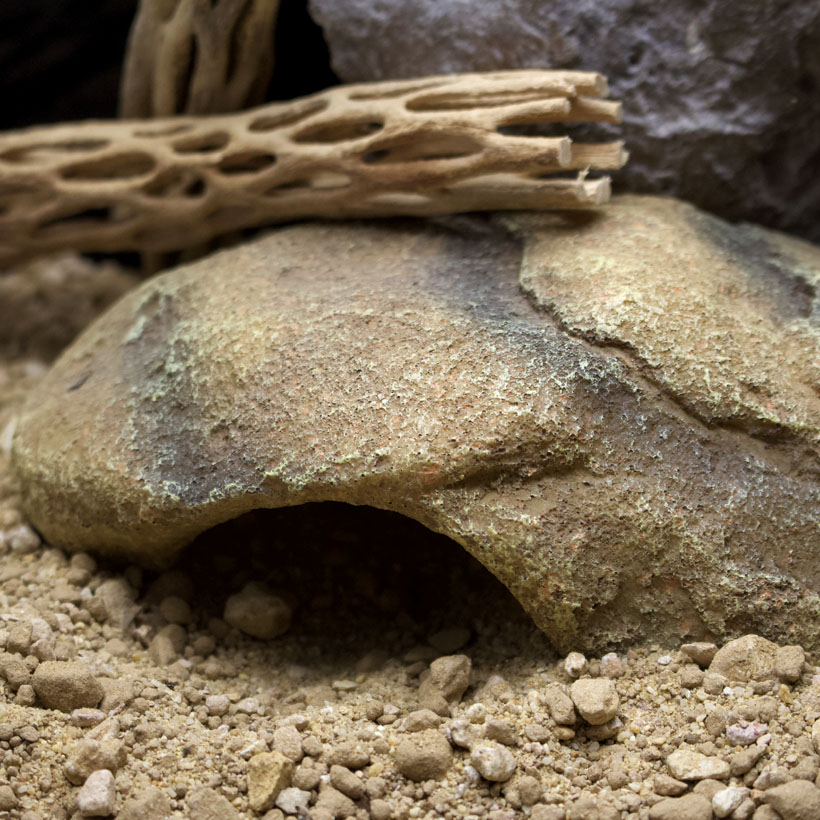
In order for the animals to feel safe enough in the terrarium to show themselves more often, suitable hiding places must be available. The more small hiding places you create in the terrarium, the more likely you are to see active animals at some point. It is not a question of hiding places, but of a feeling of security. A well-structured habitat with pieces of bark, islands of moss, layers of leaves and angled elements will give your animals the orientation they need and protect them from stress.
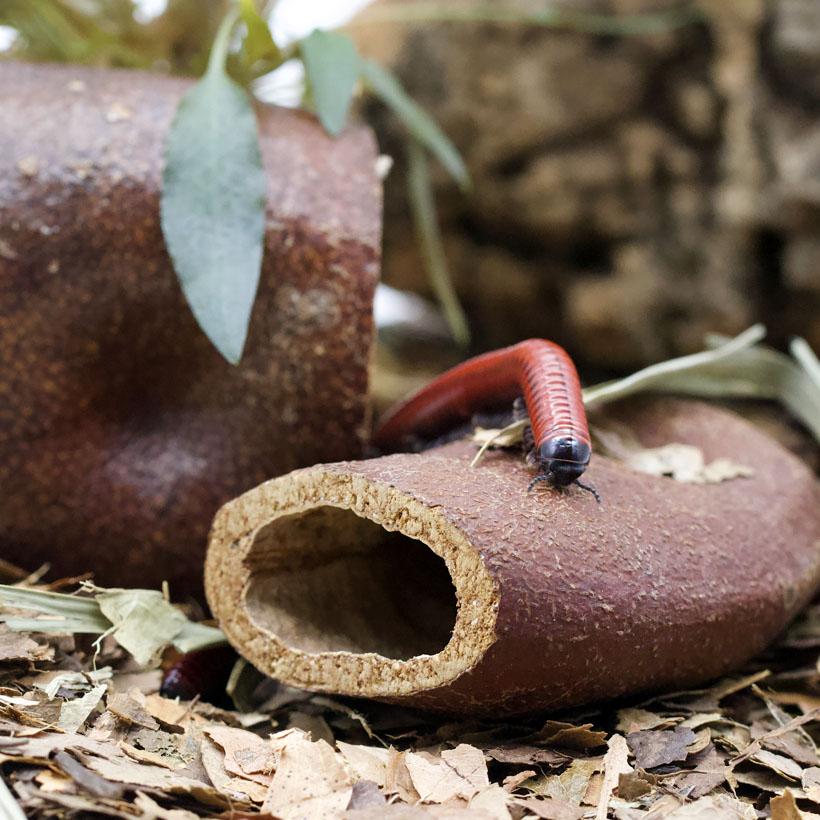
Observe climate and activity
The climate in the terrarium also plays an important role. If the humidity is too low or the temperatures are not right, many species withdraw deep into the substrate. Sometimes a terrarium appears empty at first glance, even though the animals have simply moved to a quieter area. It is therefore worth checking the temperature and humidity regularly and adjusting them if necessary. With nocturnal species in particular, you may only be able to see them with a little patience and at the right time of day.
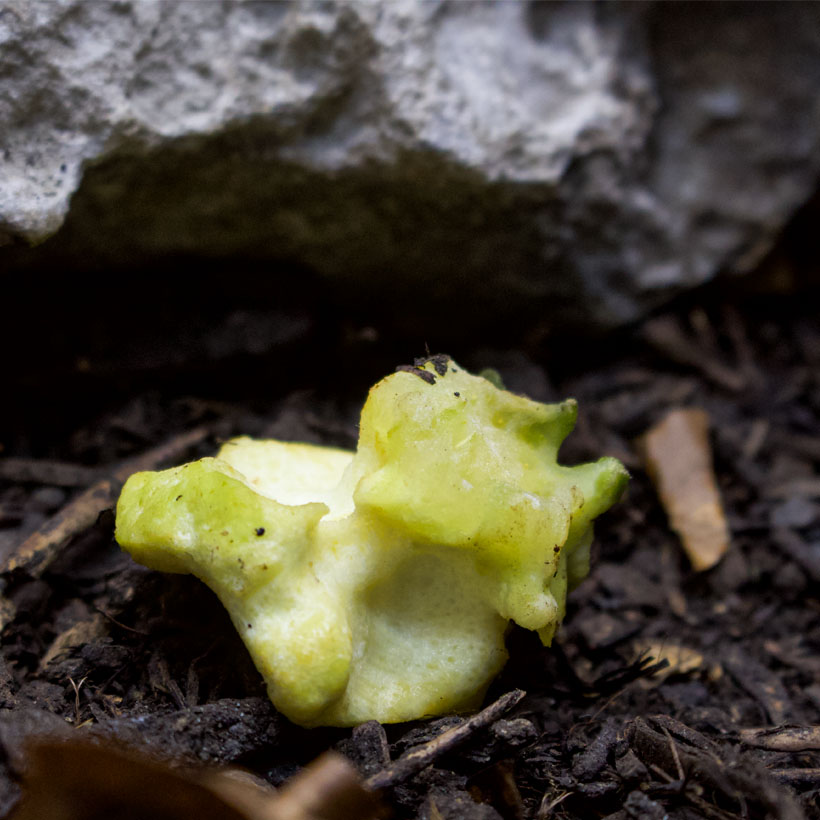
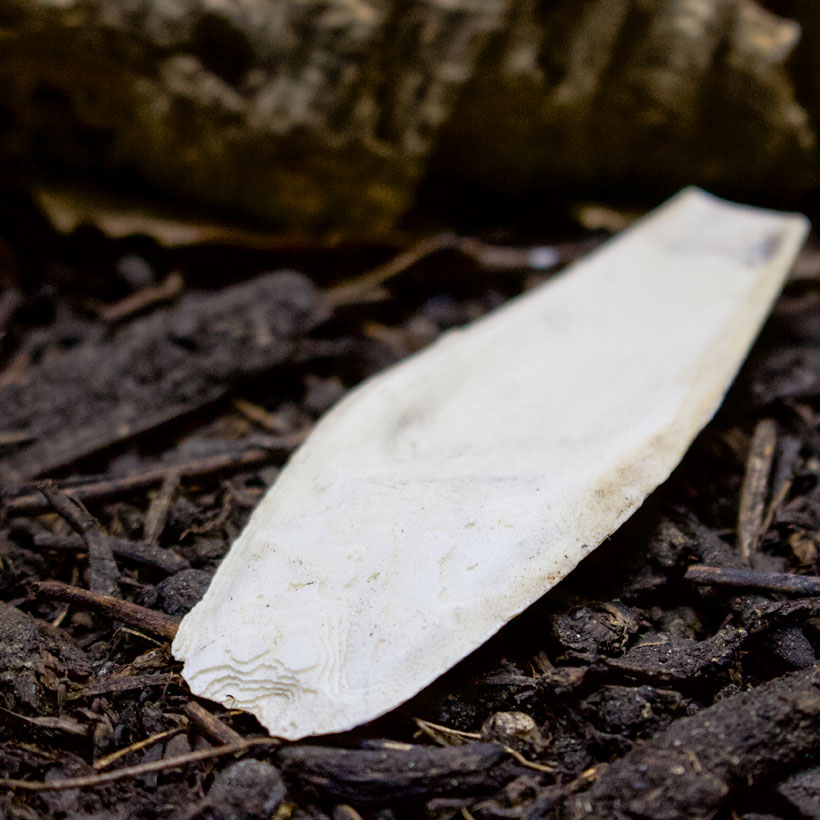
Incidentally, a good indication of activity is their behavior when feeding. Even if you can’t see your animals directly, you can often tell whether they have eaten. For Isopods or millipedes, for example, leaves, vegetables or cuttlefish shells gradually disappear, while the disappearance of fruit flies is a good indicator for jumping spiders. All this shows you that the animals are active – but only when you’re not looking.
Note the location in the room
The positioning of the terrarium in the room should also not be underestimated. If it is completely free-standing – i.e. without a back or side wall – many animals feel particularly unprotected. From their point of view, there is then a lack of support and protection, which can lead to increased retreating behavior. A protective back wall or side cover can quickly remedy this and give your animals the feeling of living in a safe shelter.
Structure instead of emptiness – the right setup
Sometimes the problem is not the keeping itself, but the design of the terrarium. If the tank is too large or too open, many animals simply lack orientation and retreat structures. An empty terrarium with wide, smooth surfaces has the effect of an open area without shelter for animals that live in the wild under foliage, wood and rocks. In such an environment, they feel defenceless and instinctively stay under cover – even if the housing conditions are otherwise right.
Especially with smaller species such as Isopods or jumping spiders, a terrarium that is too open can quickly lead to insecurity. But even larger animals such as tarantulas usually retreat into their hiding places as soon as they have had their fill. And there is a reason for this: in nature, animals only move around visibly when they are looking for food – anything else would only increase the risk of becoming prey themselves. A freely moving body in an open habitat means a target. It is therefore completely normal for a satiated animal to behave quietly and withdrawn.
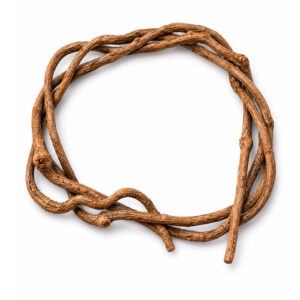
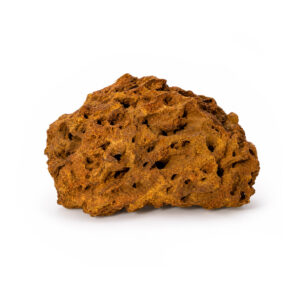
You can actively help here: Structure the terrarium in a varied and natural way. Instead of a large, open area, you should create different levels, materials and areas. Small piles of leaves, pieces of cork, roots or lava stones can enliven the area. It is particularly helpful to think vertically: pieces of bark attached to the walls, plants or moss cushions in the corners give the animals orientation and places to retreat to.
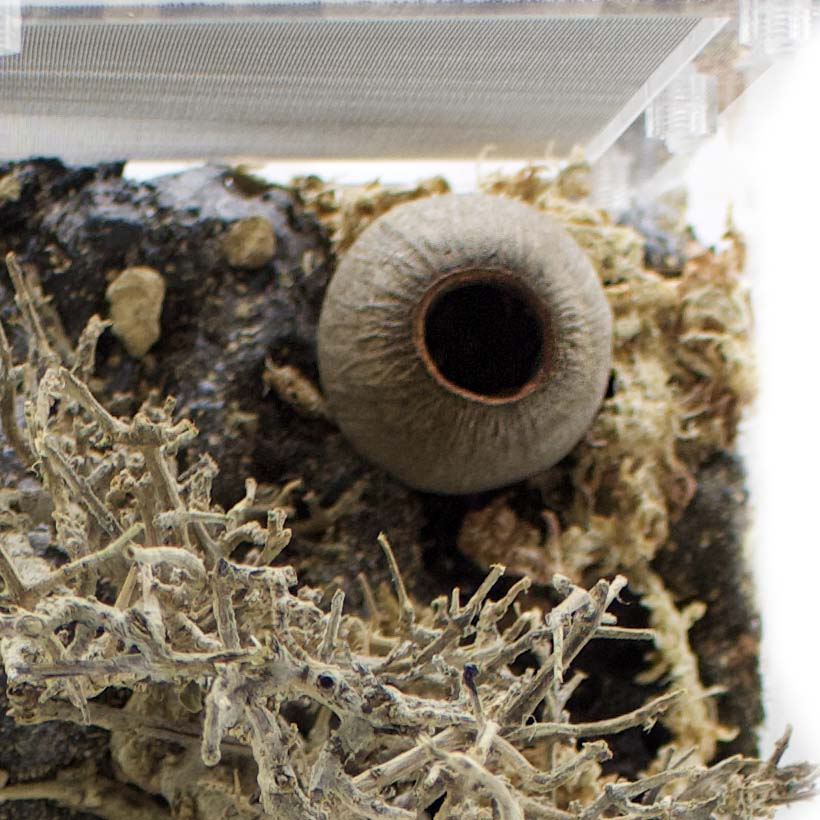
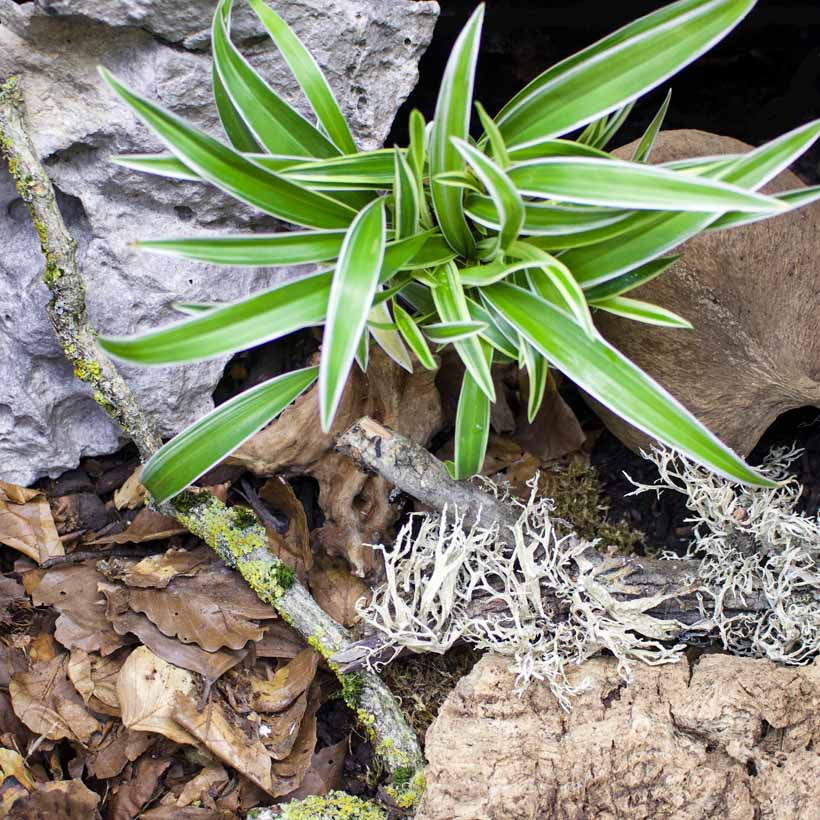
Actively promote a sense of retreat
A targeted design creates a feeling of security. At the same time, the location of the terrarium in the room should also be taken into account: If it is free-standing without a back wall or side enclosure, many animals lack a feeling of security. This can be remedied by using back walls, a side panel or simply placing the terrarium in a sheltered corner with a privacy screen.
A varied structure and a deliberately designed environment not only create a visually exciting habitat, but also a real feel-good place for your animals. You will notice: The more structured the terrarium is, the more relaxed and active the inhabitants will be – and the more often you will see them all by themselves.
With the right furnishings, your terrarium will not only be more beautiful, but also the perfect retreat for your animals. Take a look at our most popular decorative elements and plants here and get inspired!
-
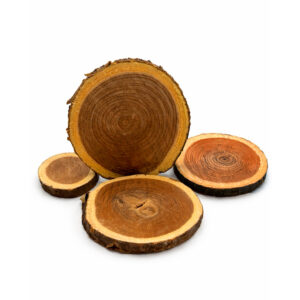
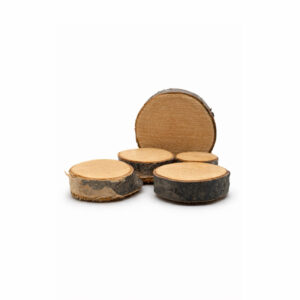
Wooden disks
Original price was: 2,49 €.1,99 €Current price is: 1,99 €. incl. VAT, plus shipping -
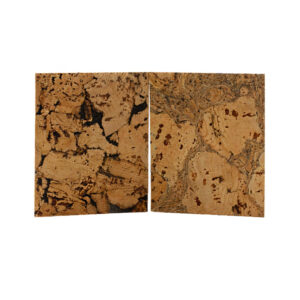
Insektenliebe acrylic terrarium cork back wall
Price range: 4,50 € through 13,90 € incl. VAT, plus shipping -
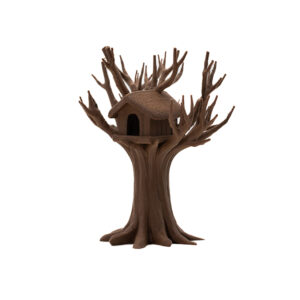
Terrarium tree house “Crown nest”
Original price was: 13,99 €.11,99 €Current price is: 11,99 €. incl. VAT, plus shipping
If you have any further questions, please leave them in the comments below the article.
Leave a Reply
You must be logged in to post a comment.